Silent Demonstration
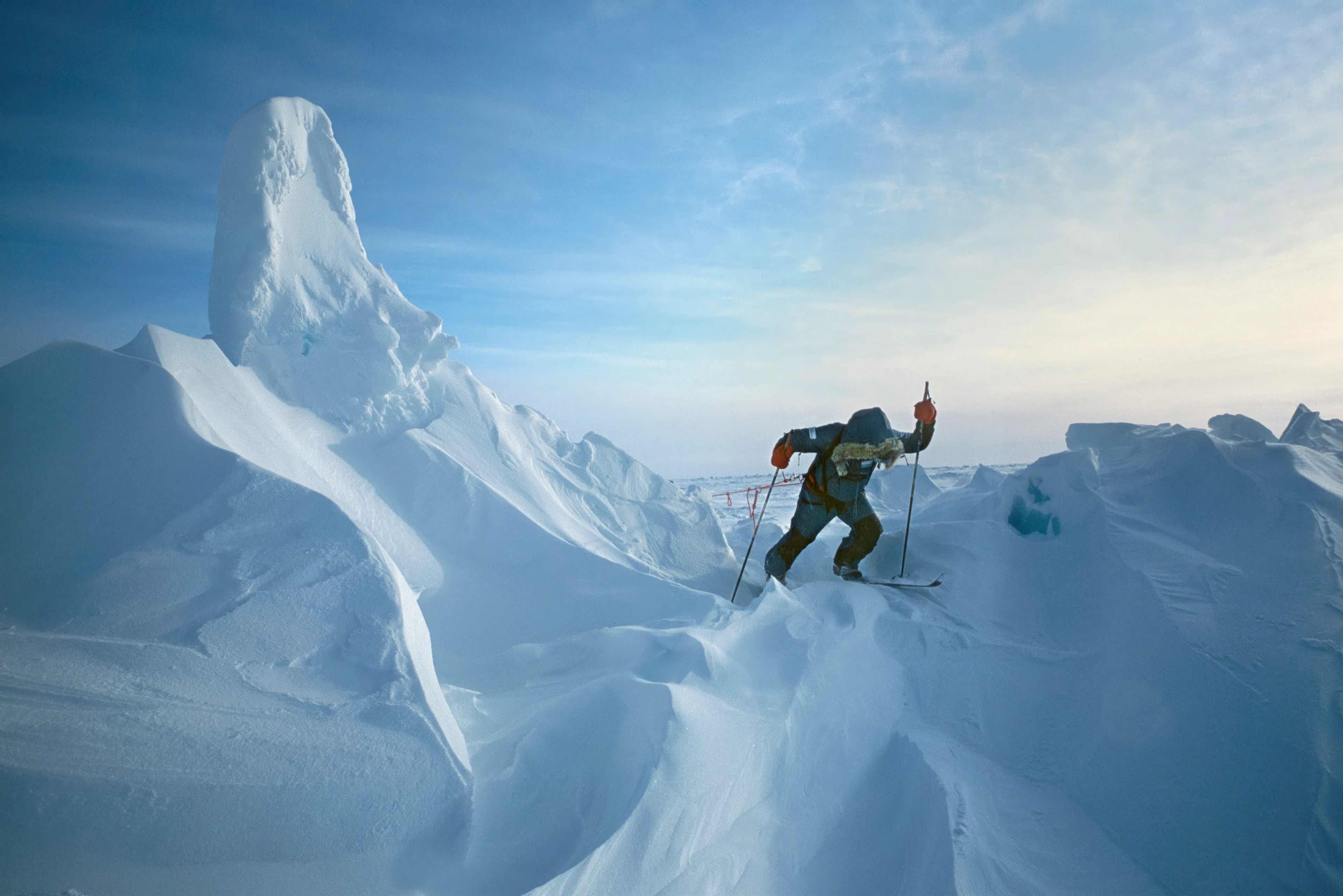
In 2010, Martin Hartley sets off on a 777-kilometre journey to the North Pole to document the effects of climate change. While most digital cameras would have given up in temperatures as low as -45 °C, Hartley and his purely mechanical MP brave the cold. This is a demonstration of perseverance and endurance, as well as a protest against silent transience. The reason? A polar expedition like this would hardly be possible today due to the progressive melting of ice in the Arctic Ocean.



Renaissance of Street Protests
The 2010s are reminiscent of the demonstrations of the 1960s and 1970s, due to the numerous protests taking place worldwide. The problems and motives are similar, but more diverse and globalised than in earlier decades. Remarkably, while society is increasingly escaping reality at home, the street remains the undisputed platform for collective protest and taking a stand against the world. In other words, it is where grievances and diversity become visible most quickly.
Arab Spring
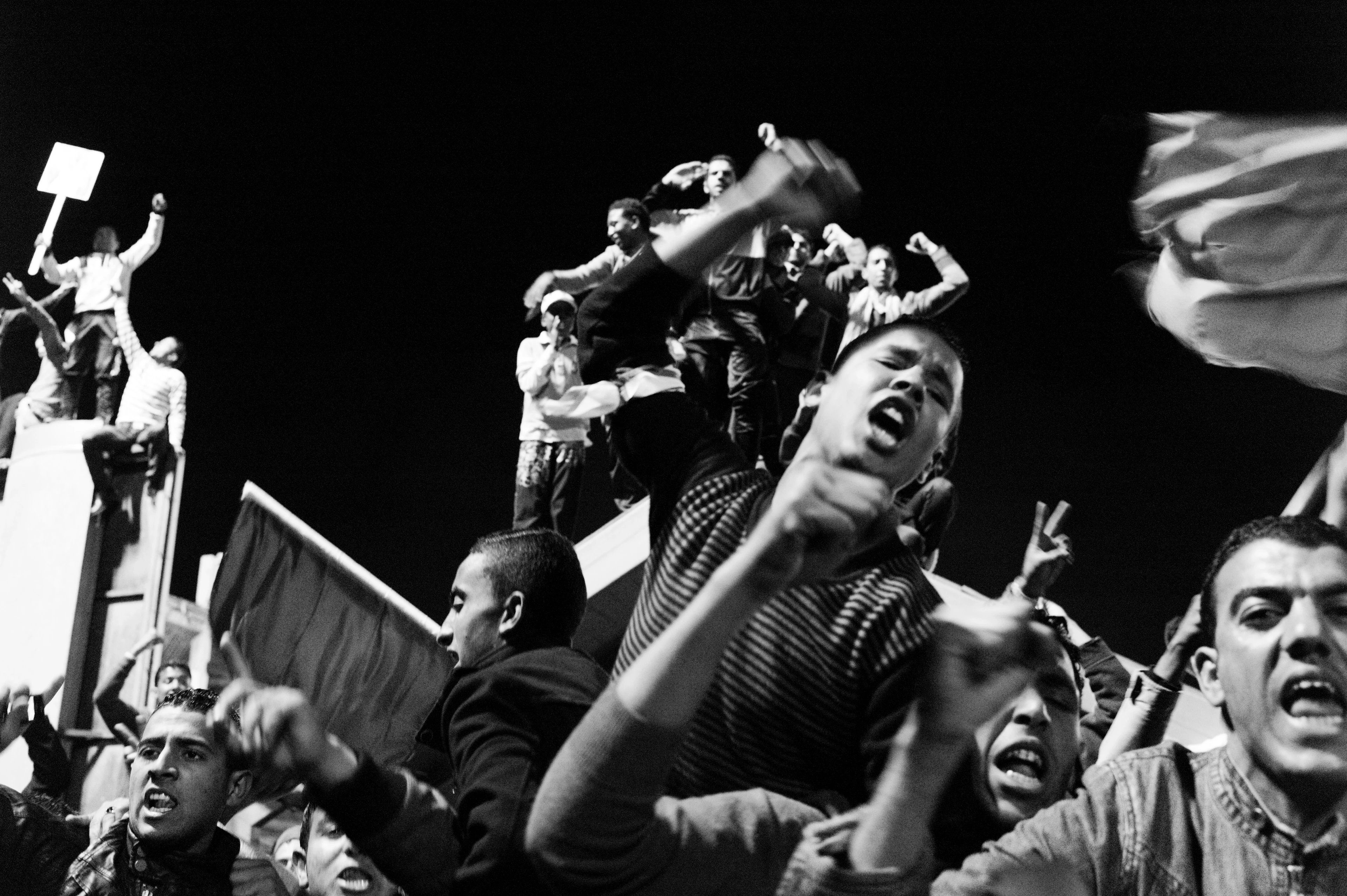
From Tunisia to Egypt, Libya and Syria: the Arab Spring is becoming an international uprising, fuelled by young voices, social media, and a belief in change. Moises Saman documents the movement as the Gaddafi government in Libya makes its last desperate stand. Philipp Spalek puts his focus on Cairo.
Nuclear Power? No, Thanks!
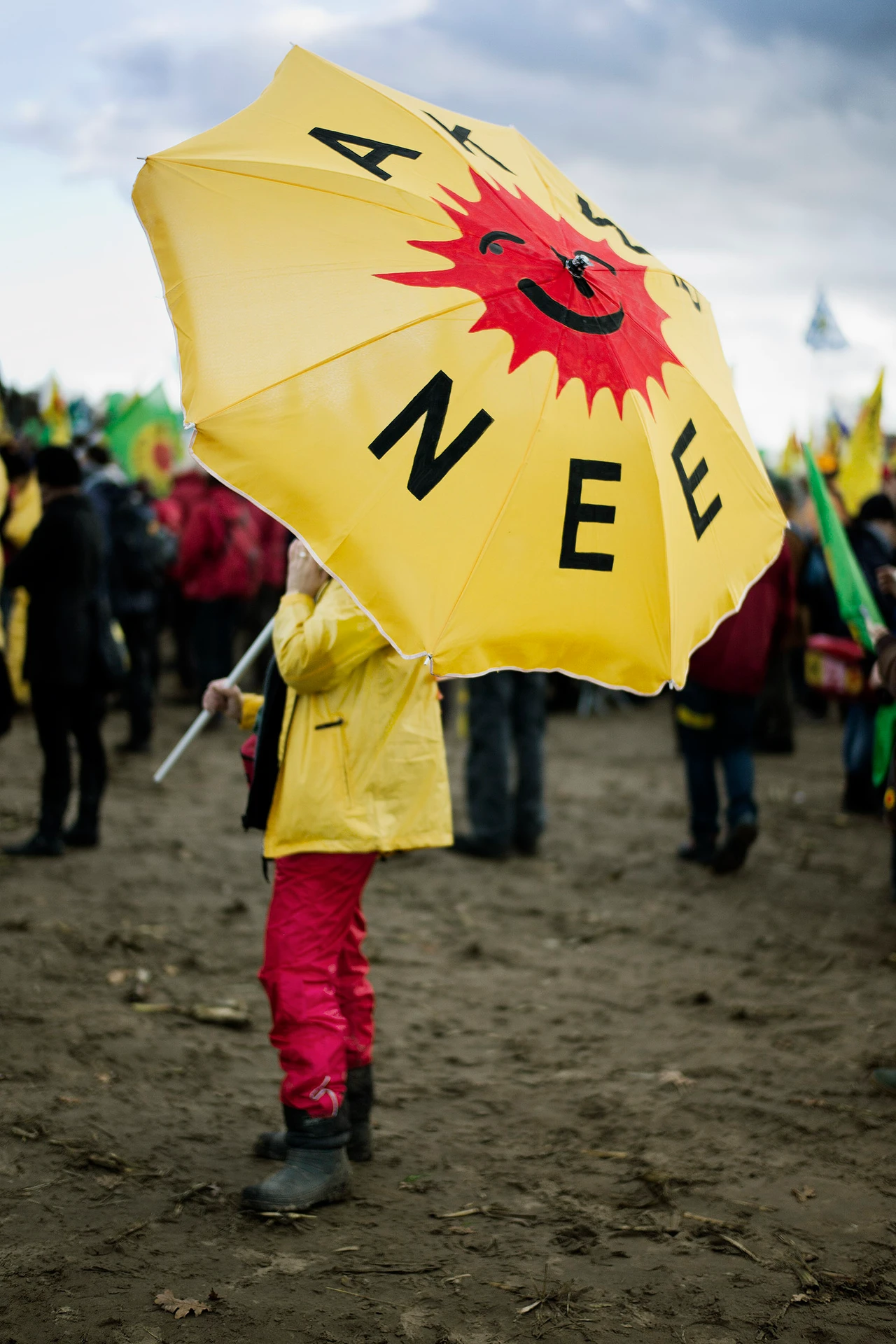
This symbol, which features in documentation of German protests against the transport of nuclear waste, has long represented environmentally conscious civil resistance in Europe. Following the Fukushima reactor catastrophe in 2011, Michael Jungblut’s photographs also acquires worldwide symbolic power, serving as a warning about the dangers of nuclear energy.
Occupy Wall Street
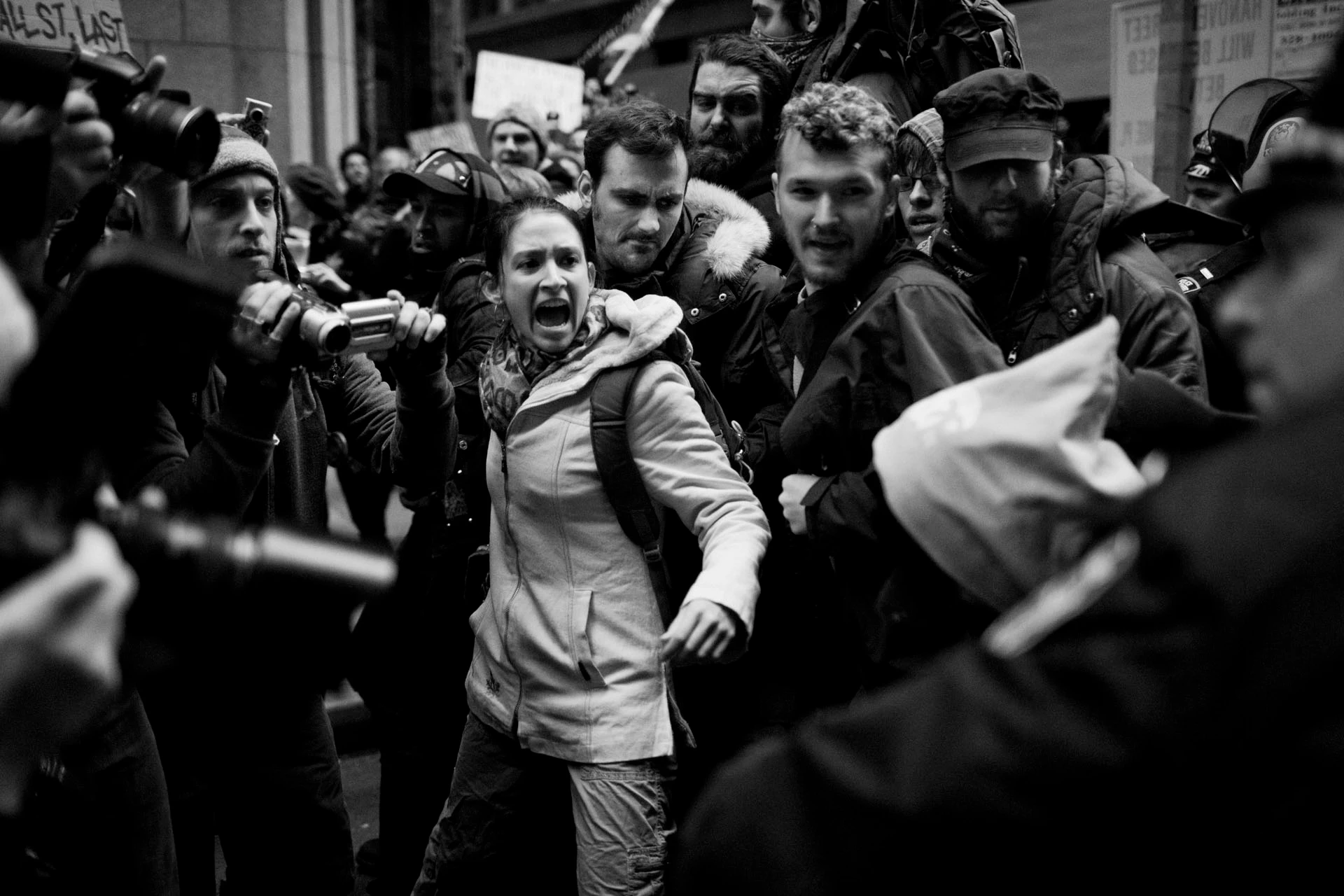
This time, the 2011 protest is not directed against the government, but against the financial system and the consequences of the financial crisis. “We are the 99%” becomes the central message – an outcry against the extreme concentration of power and wealth among the top one per cent. Anthony Suau documents how a global debate on economic justice emerged from a local camp.
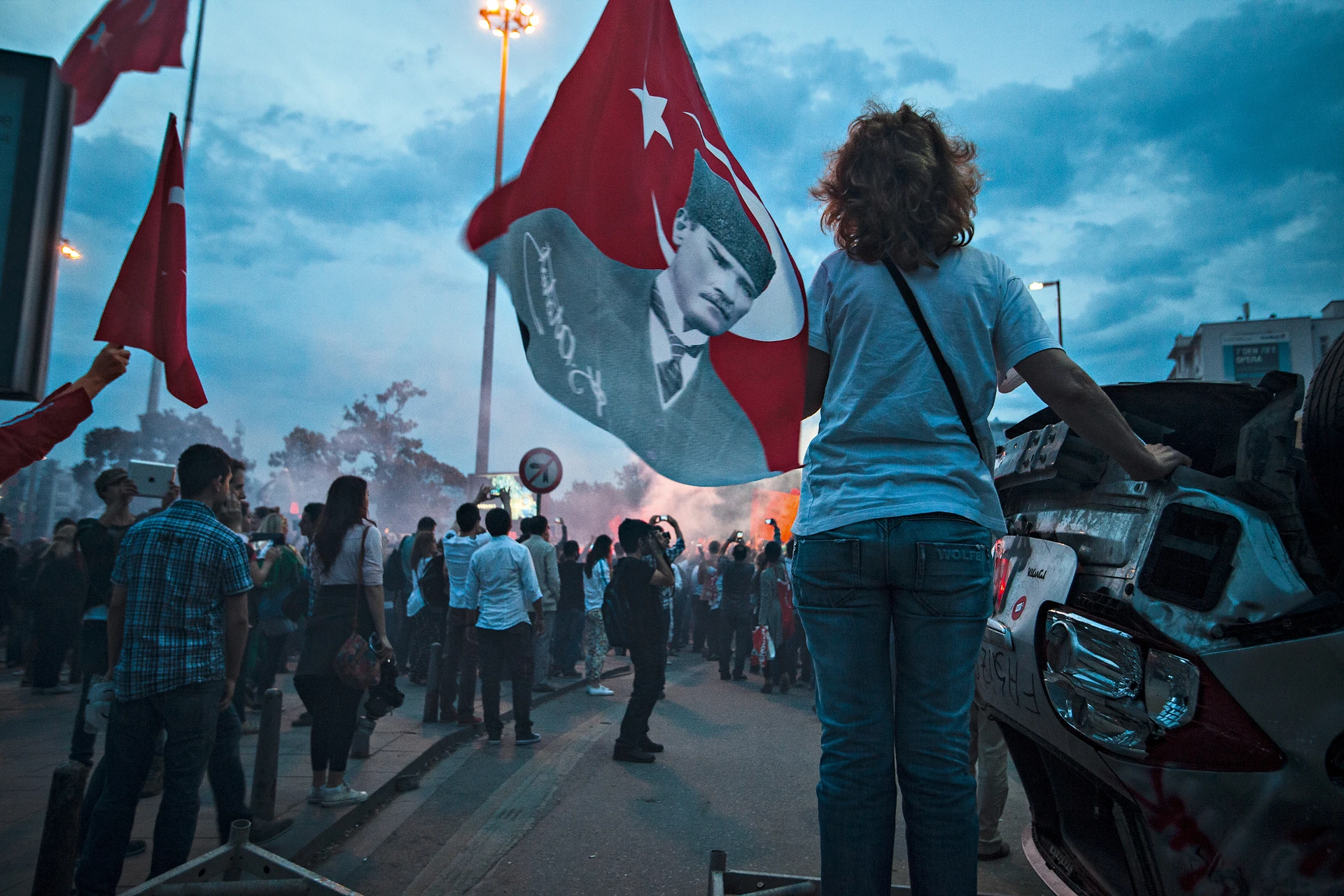
Gezi Protests in Istanbul
What begins in 2013 as resistance to the redevelopment of Gezi Park in Istanbul evolves into the largest protest movement in modern Turkey. Alice Martins accompanies four women who become symbolic figures of courage and social awakening in their resistance against repression and police violence.
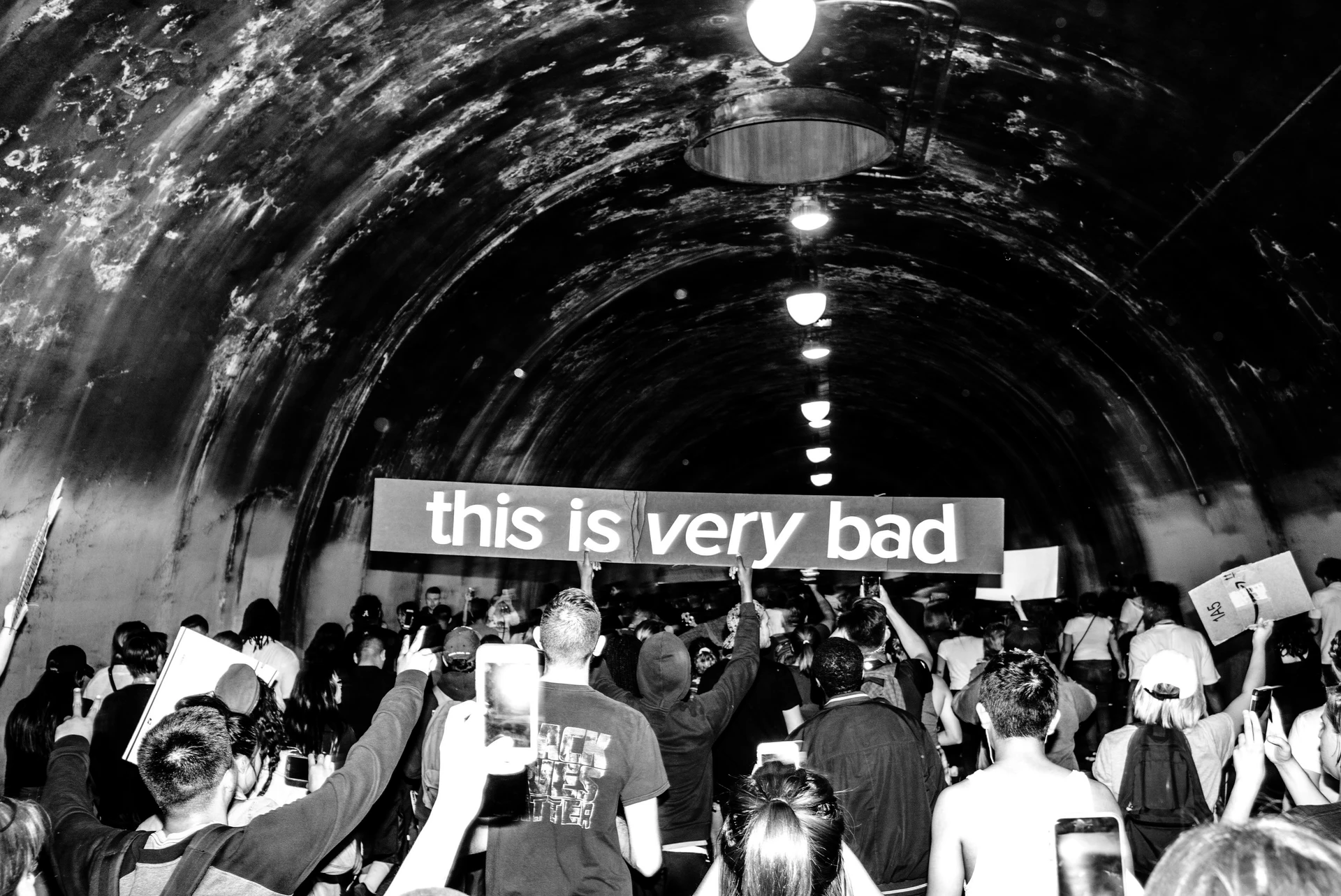
Anti-Trump
The election of Donald Trump as the 45th President of the United States of America sparks resistance in the form of demonstration across the country. The reactions are particularly strong in Oakland and L.A., where this photograph was taken.
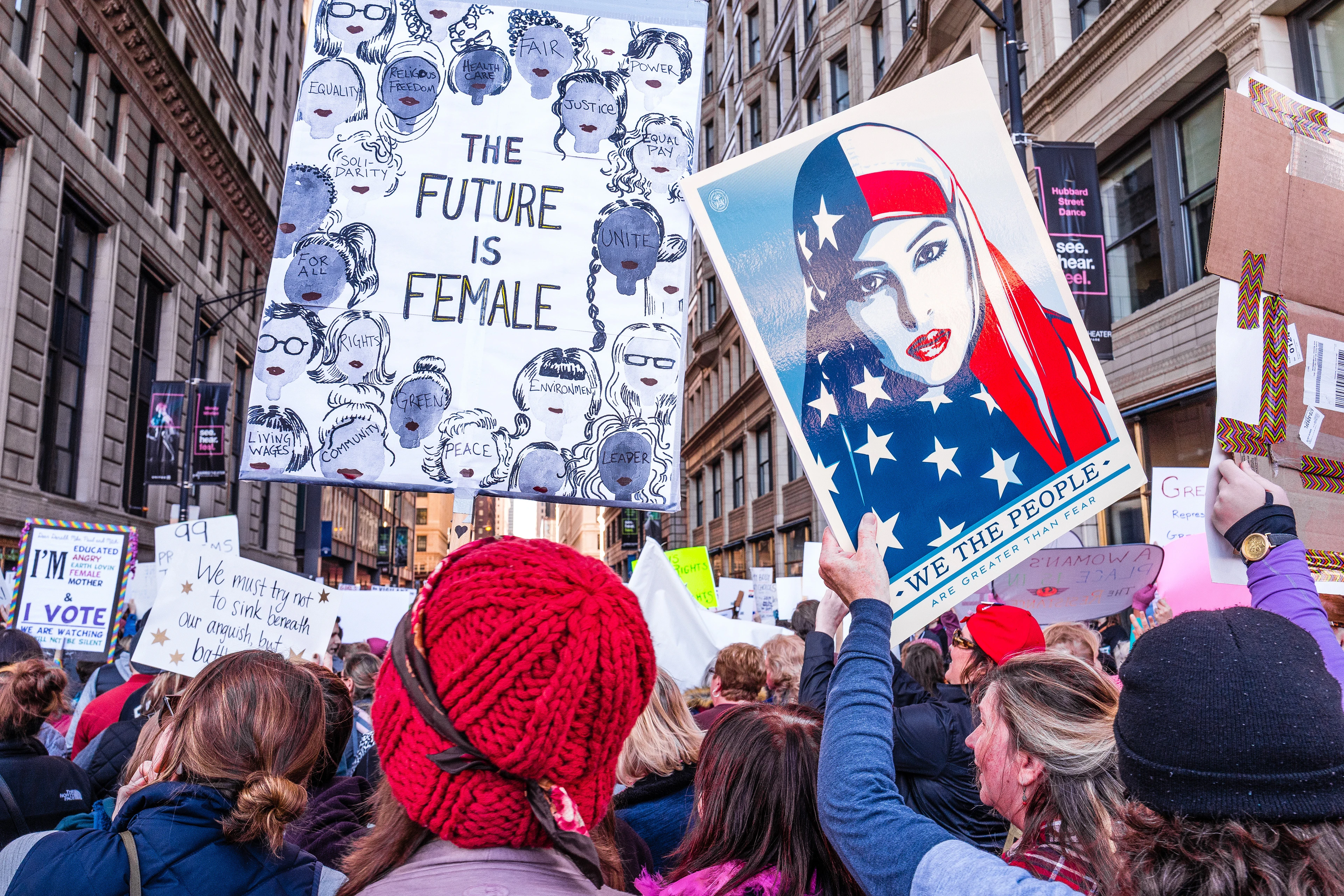
Women’s March
On 21 January 2017, millions of people around the world take to the streets to demonstrate in support of women’s rights and social equality. The Women’s March, which was also triggered by Trump’s inauguration, becomes the largest one-day protest movement in US history.
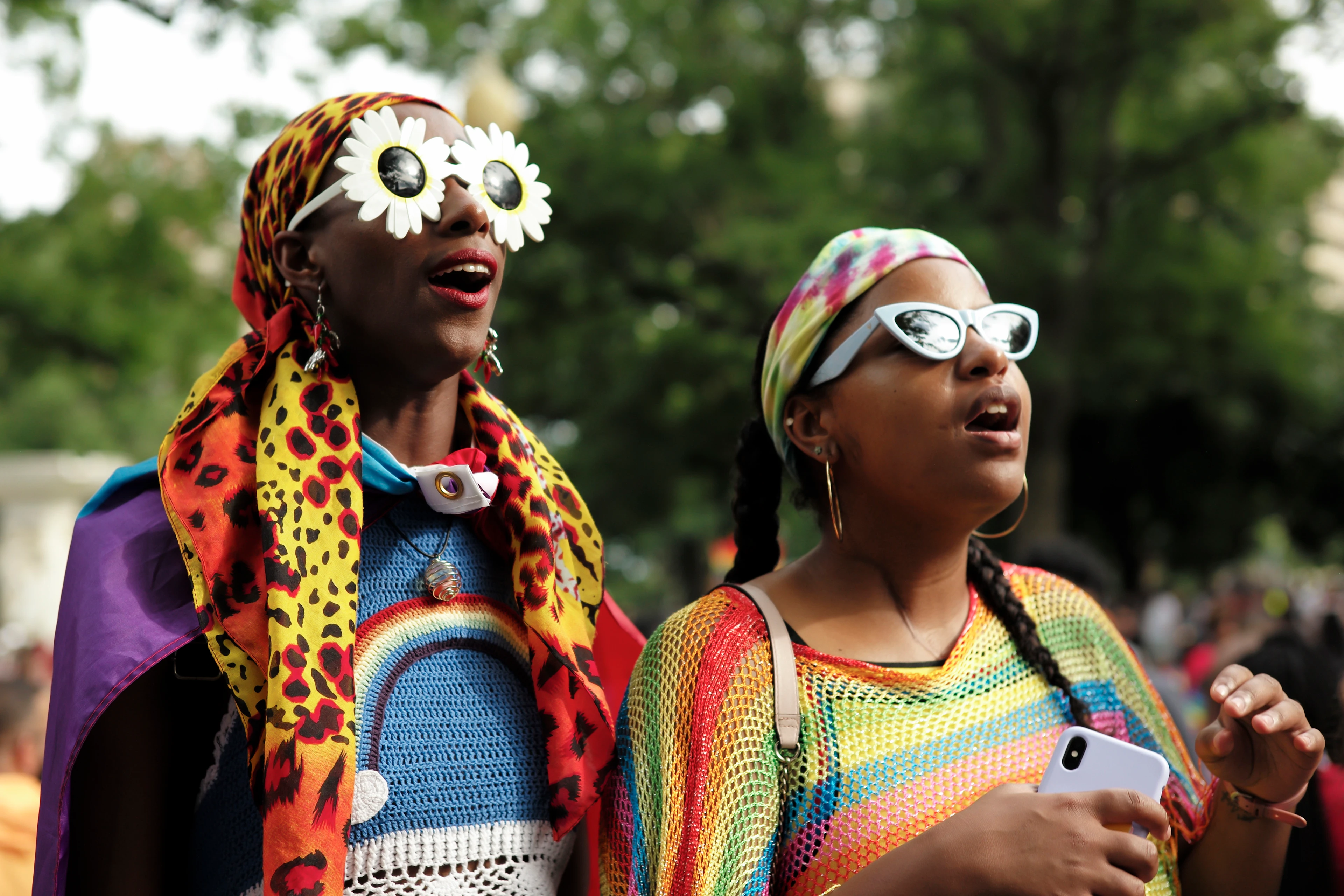
Pride Parades
For decades, the global Pride movement has campaigned for visibility, equality, and self-determination for the LGBTQIA+ community. Christopher Edwards’ image is a reminder that genuine acceptance of difference is still not guaranteed.
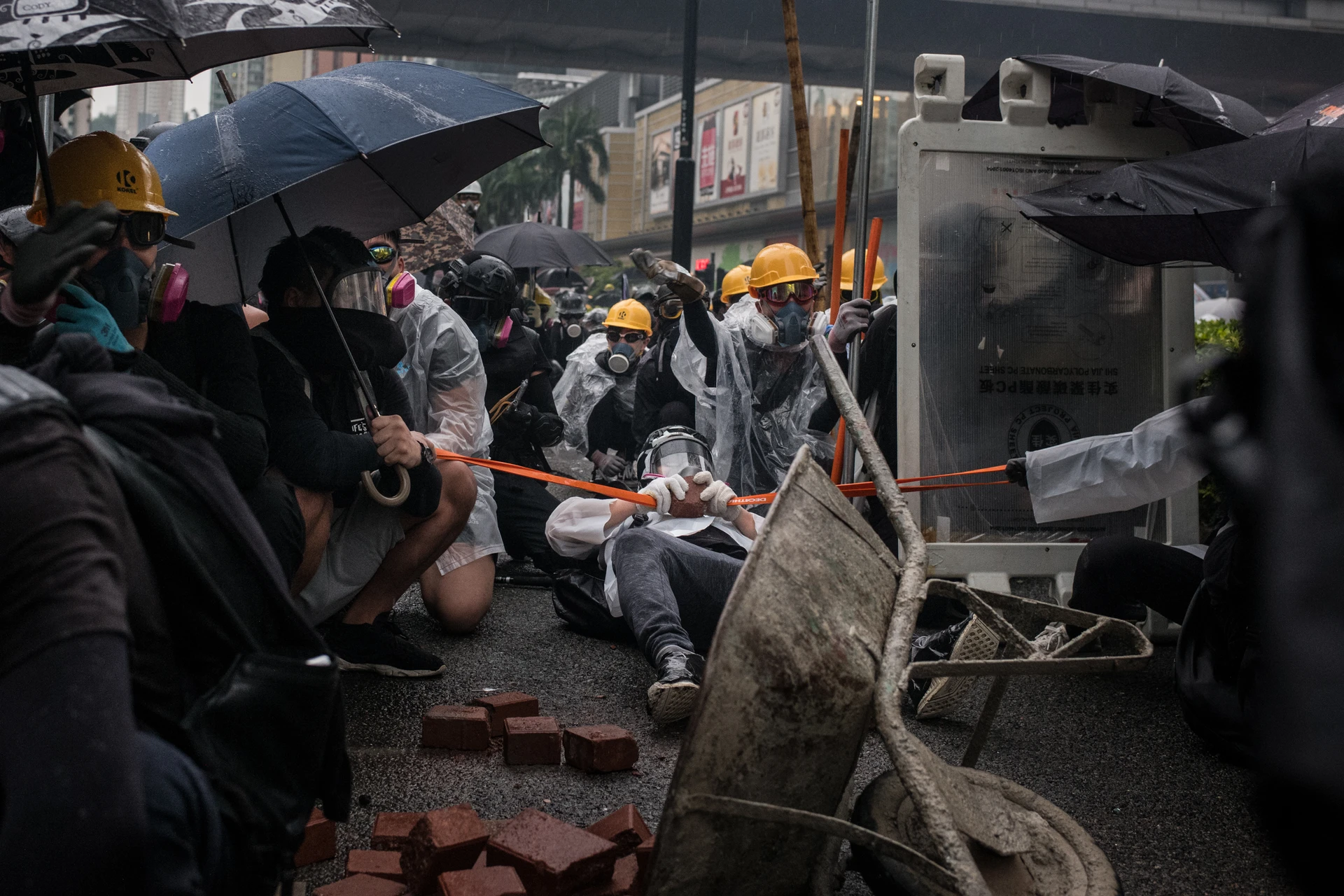
Hong Kong
The summer of 2019 sees ongoing street demonstrations in Hong Kong. These are triggered by an extradition law that would allow suspects to be handed over to China legally. The protests develop into broader demonstrations for social self-determination.