Leica Digilux
Heralding in a New Era
The first Digilux kicks off a new era: based on the Fujifilm MX-700, it achieves remarkable results as the first compact camera with 1.5 megapixels. An important milestone comes three years later, this time in cooperation with Panasonic: the Digilux 1. By also integrating specific customer requests, it marks the beginning of a successful range of digital cameras. And with it, a partnership that continues to this day.

LOBA 1990–99
About People
This decade’s LOBA reflects a heightened emphasis on reportage and photojournalism, placing the human element firmly at the heart of the narrative. The photo series from all corners of the world depict both everyday moments and complete living environments. Global realities are revealed through the details. The award-winning reportages speak of labour and poverty, migration, hope and loss, cultural diversity and collective vulnerability.
1990
Raphaël Gaillarde
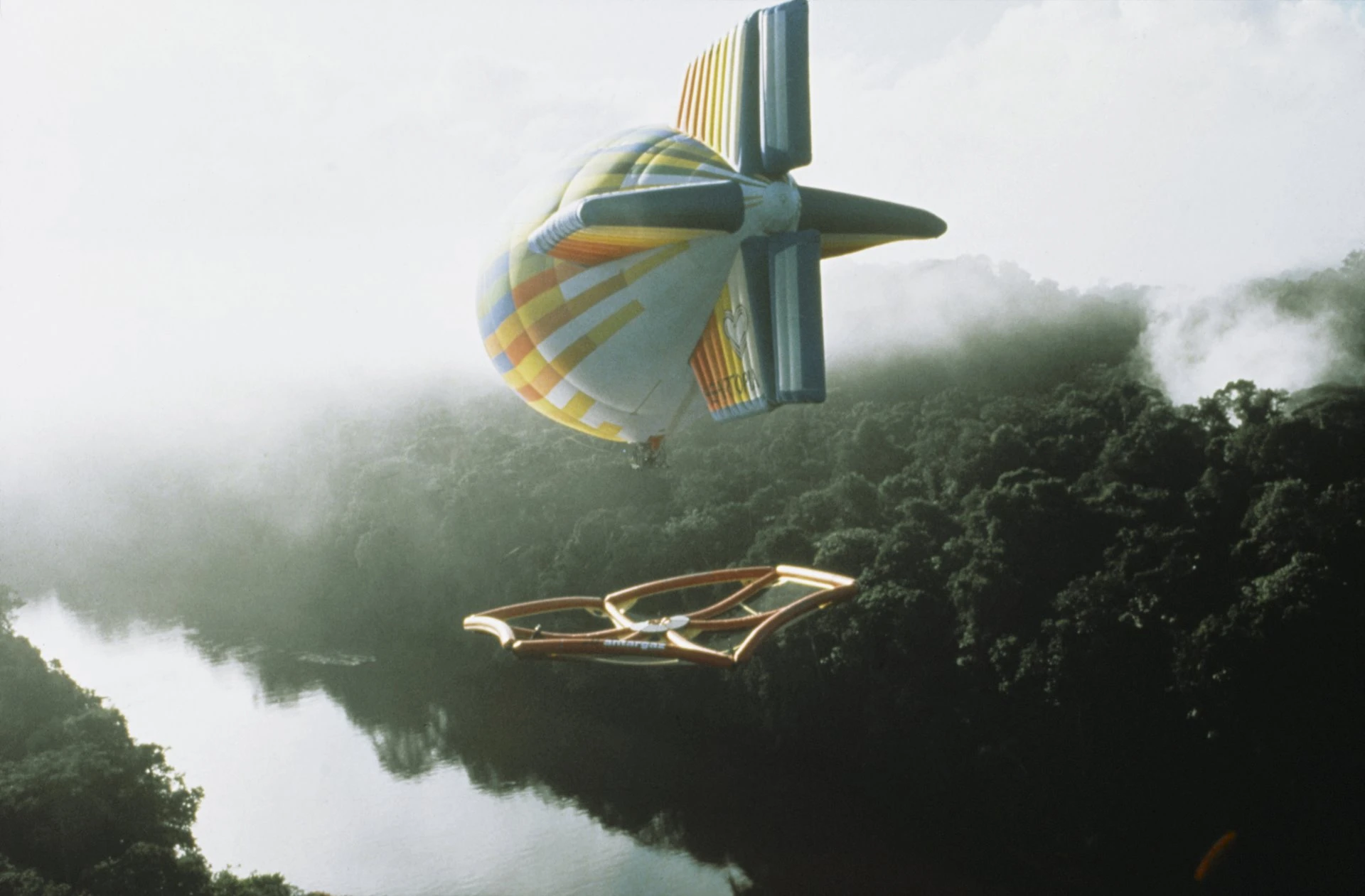
Gaillarde joins scientists in the Amazon rainforest on an extraordinary research expedition, soaring above the jungle canopy, river landscapes and indigenous communities. The result is a series that conveys an unbounded fascination with biodiversity and species richness, while also expressing mounting concern over destruction. At a time when environmental concerns are gaining global political traction, he captures the delicate equilibrium between discovery and exploitation.
1991
Barry Lewis
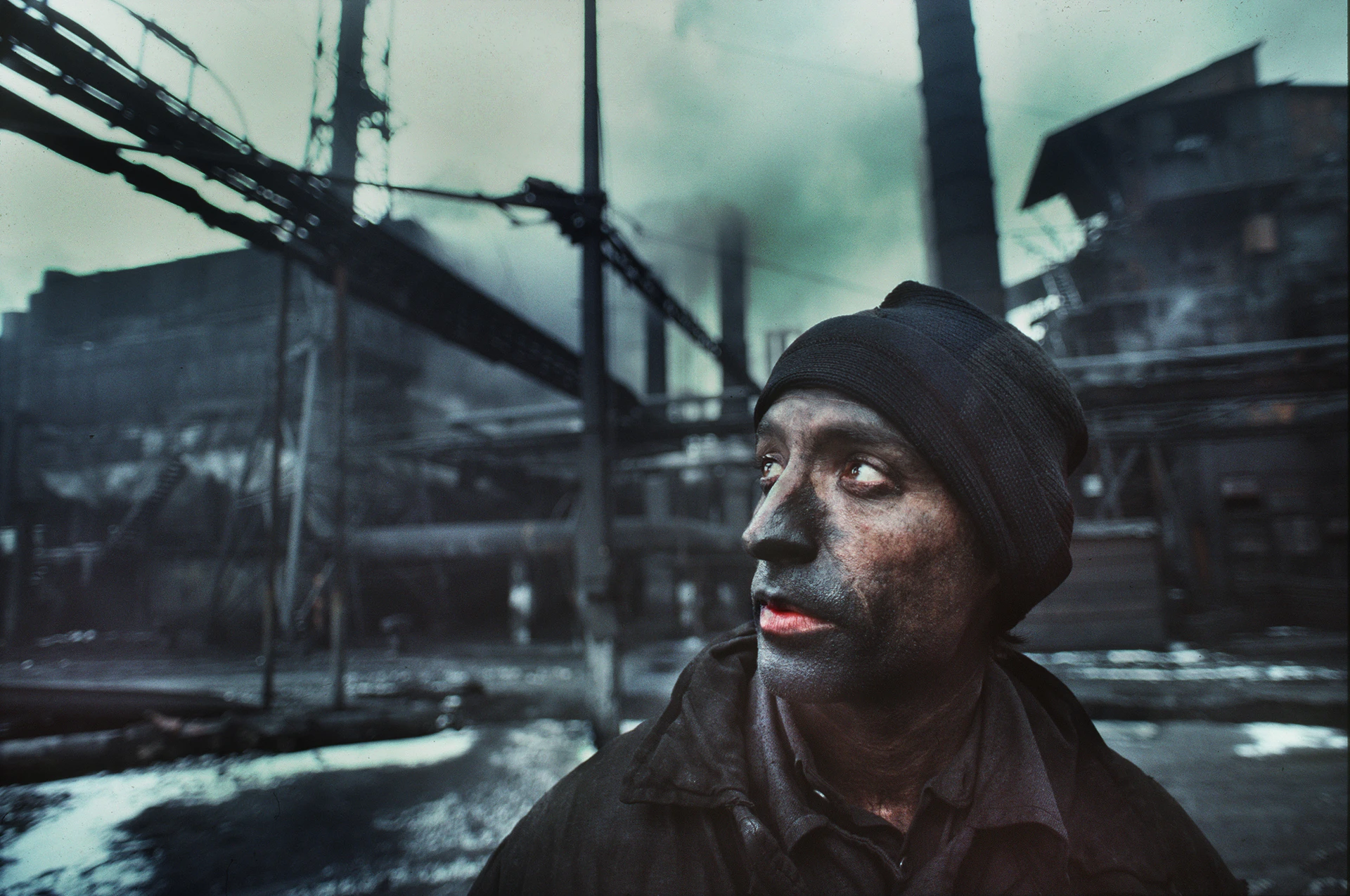
Lewis turns his attention to Copșa Mică in Romania, one of the most polluted cities in Europe at the time. His photographs depict children with soot-streaked faces, bleak grey landscapes, and a population quite literally burdened by the presence of chemicals and heavy industry. Amid post-socialist transformation, the series appears to illustrate the price of modernity.

1992
Sebastião Salgado
Black clouds of smoke, oil-smeared animals, labourers toiling amid a fiery inferno. Salgado captured apocalyptic scenes in Kuwait ablaze following the Gulf War, earning his second LOBA in recognition. The atmospherically distinctive series reveals not only the brutality of war, but also, in a monumental fashion, its ecological destruction and the cost of geopolitical power struggles.
1993/94
Eugene Richards
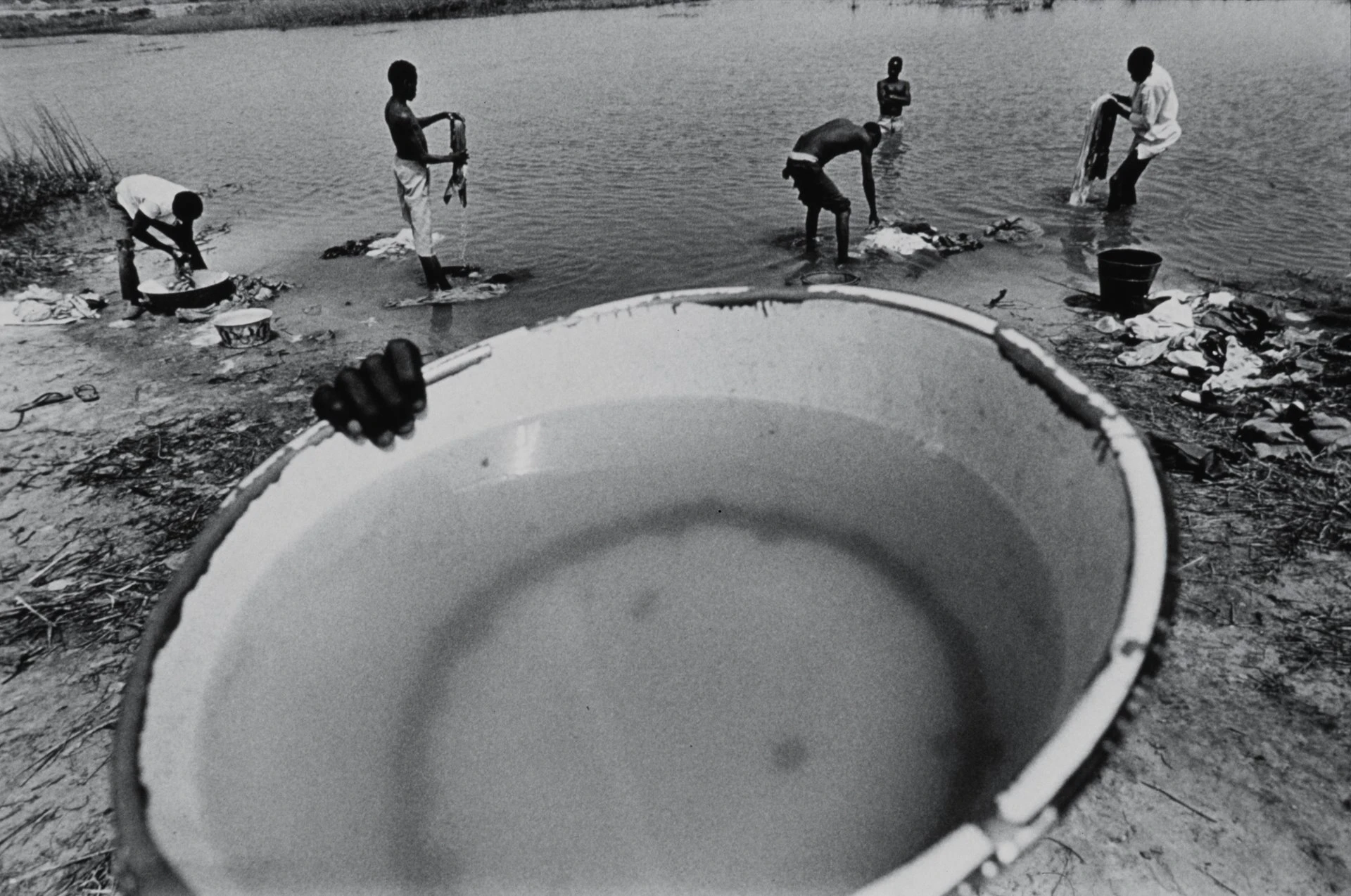
Richards documents the drying up of the Hadejia-Nguru wetlands in Nigeria, powerfully illustrating that the climate crisis and resource scarcity are not distant or theoretical concerns, but urgent realities that imperil daily life and local survival. His photographs tenderly portray fishermen, farmers and families whose livelihoods are vanishing – captured with a deep sense of empathy and unwavering commitment to their stories. In 1993, the LOBA became independent and was reorganised, with Richards receiving the award for both years.
1995
Gianni Berengo Gardin
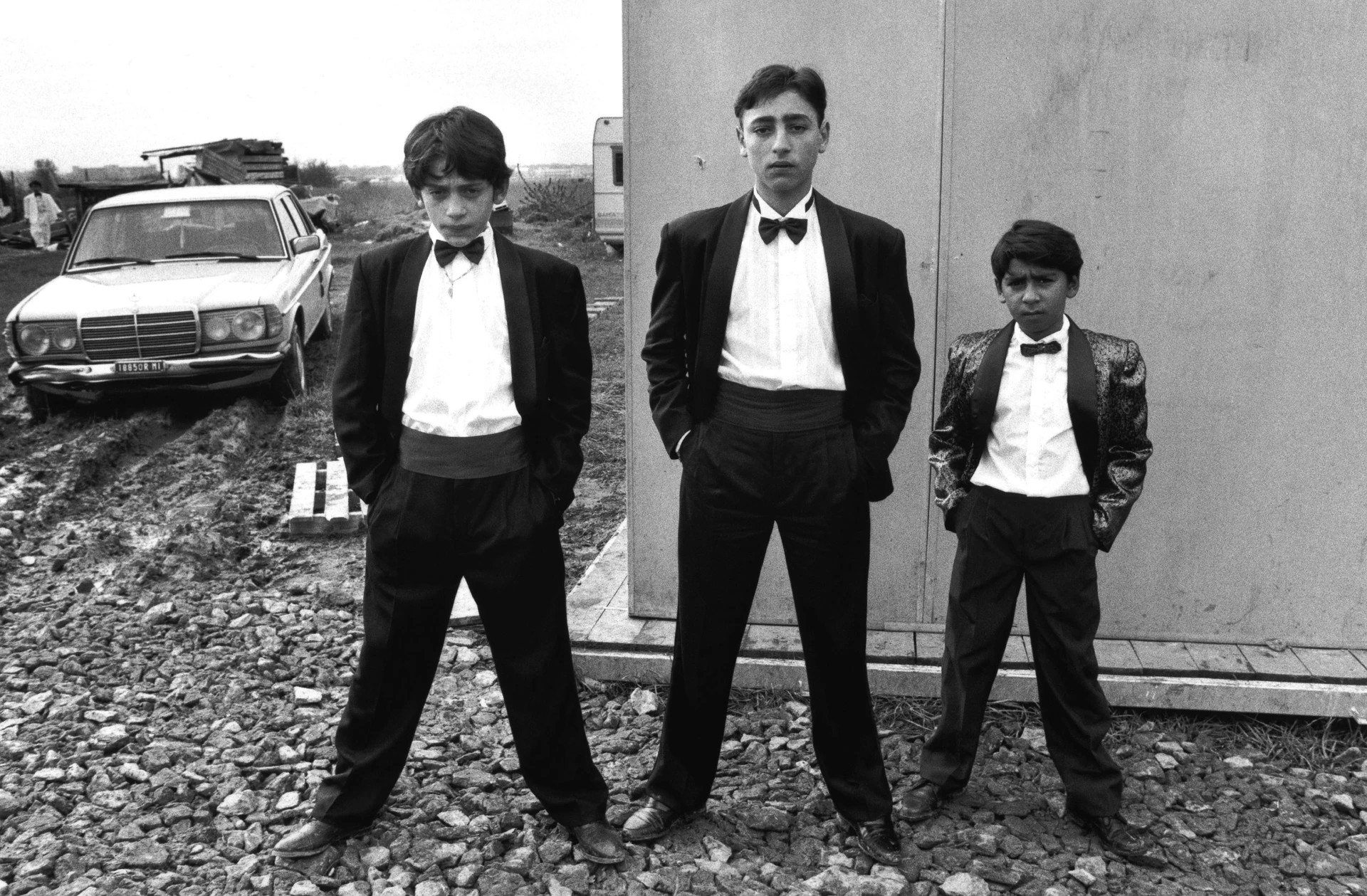
Gardin documents the everyday lives of Roma families in Florence. He depicts children at play and families in their daily routines, revealing a community living on the fringes of both the city and society. His images are marked by a deep respect for his subjects and a quiet defiance of clichés. In the 1990s, as migration became more visible, he conveyed a narrative of both belonging and marginalisation.
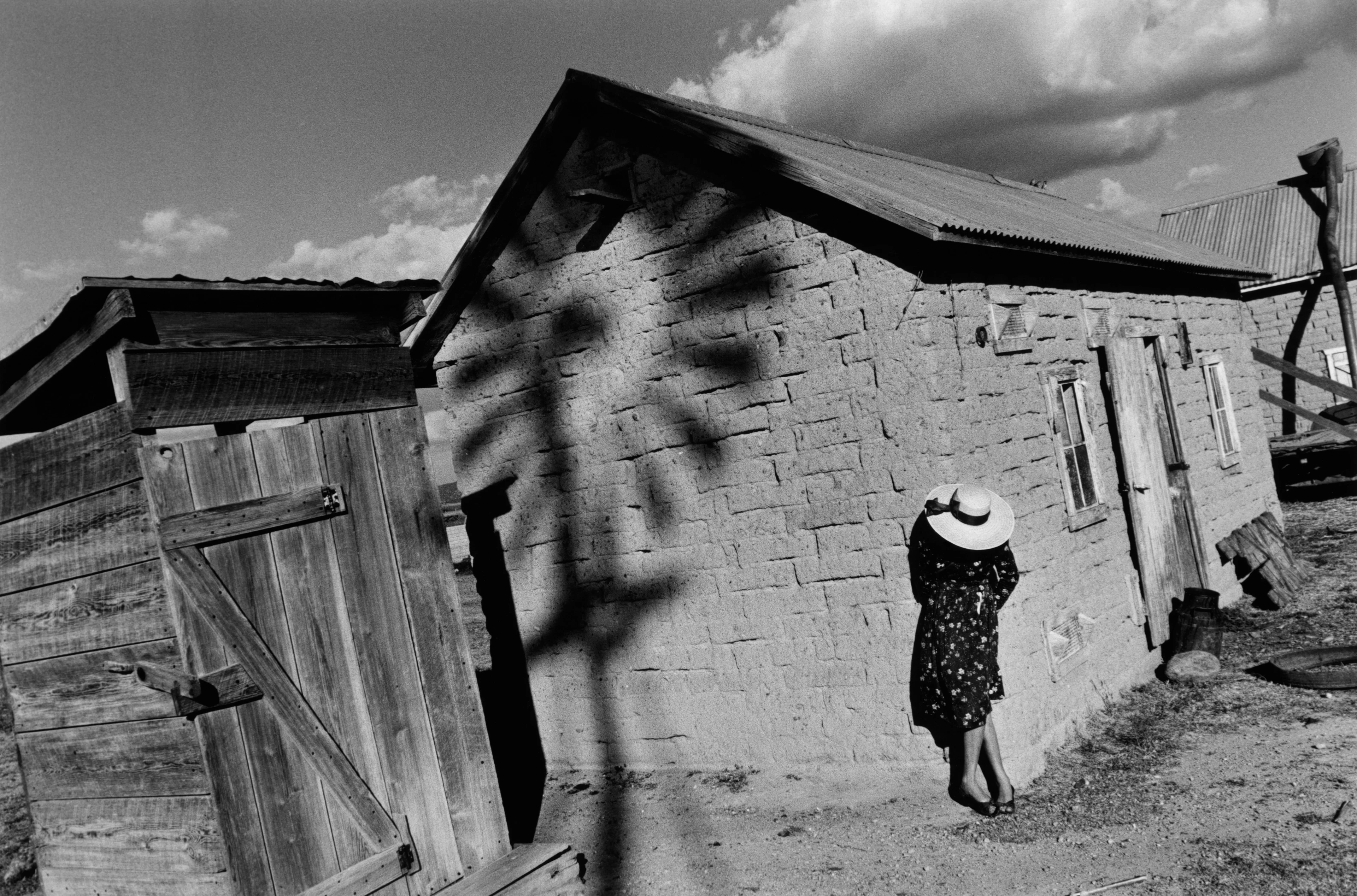
1996
Larry Towell
As globalisation accelerates, Towell reveals how mobility influences individuals and disrupts established structures. He accompanies devout Mexican Mennonites who migrate to Canada to work as seasonal labourers. His series highlights the strain between religious tradition and the challenges of contemporary labour migration.
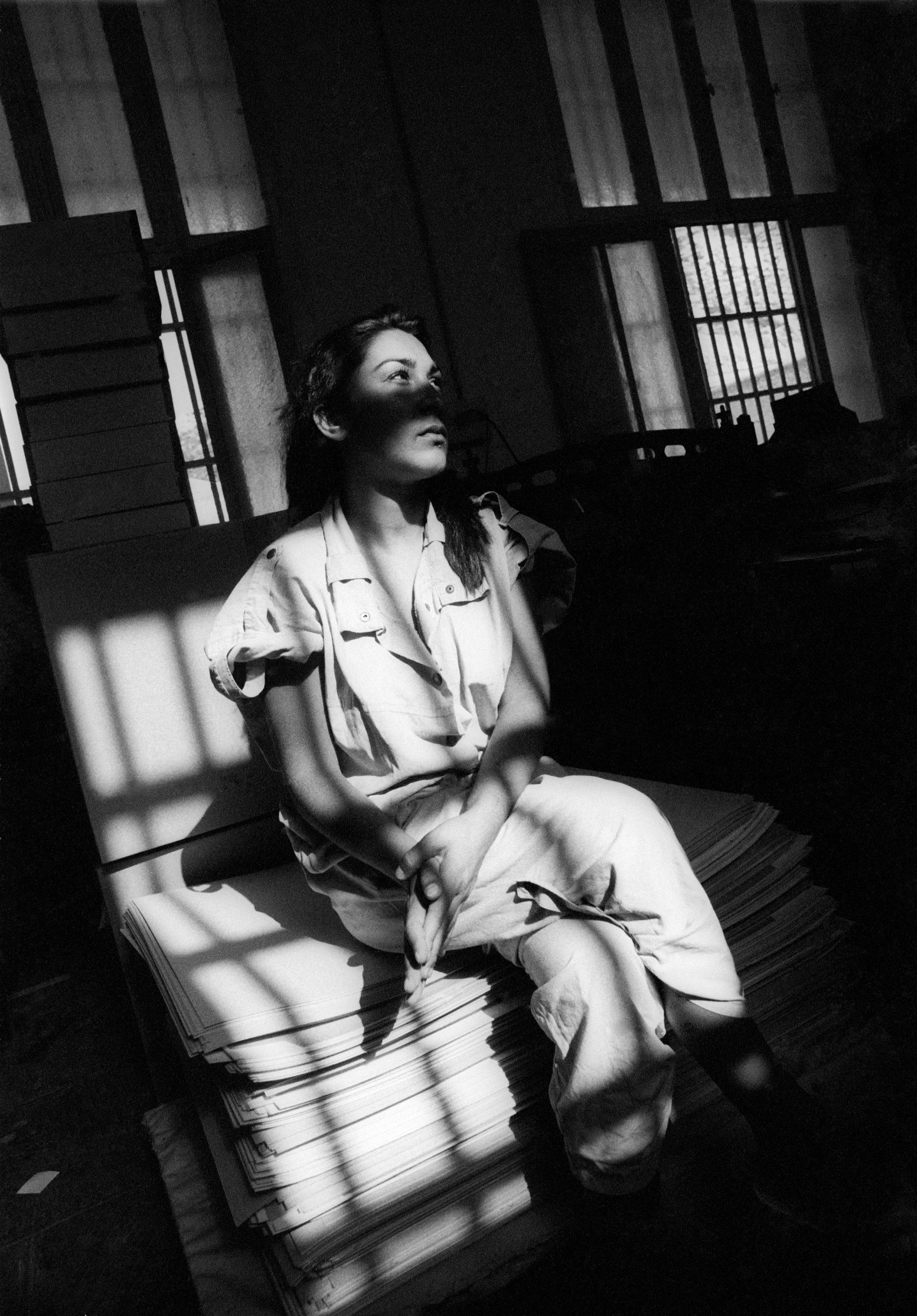
1997
Jane Evelyn Atwood
Atwood spent years on this series, which documents the lives of women in prison. Her sensitive yet unflinchingly honest images intentionally reveal the confinement, intimacy, violence and humanity within prison walls. In the 1990s, as debates about women’s rights gathered pace, these photographs give a voice to the unseen and raise new questions about power, control and empathy.
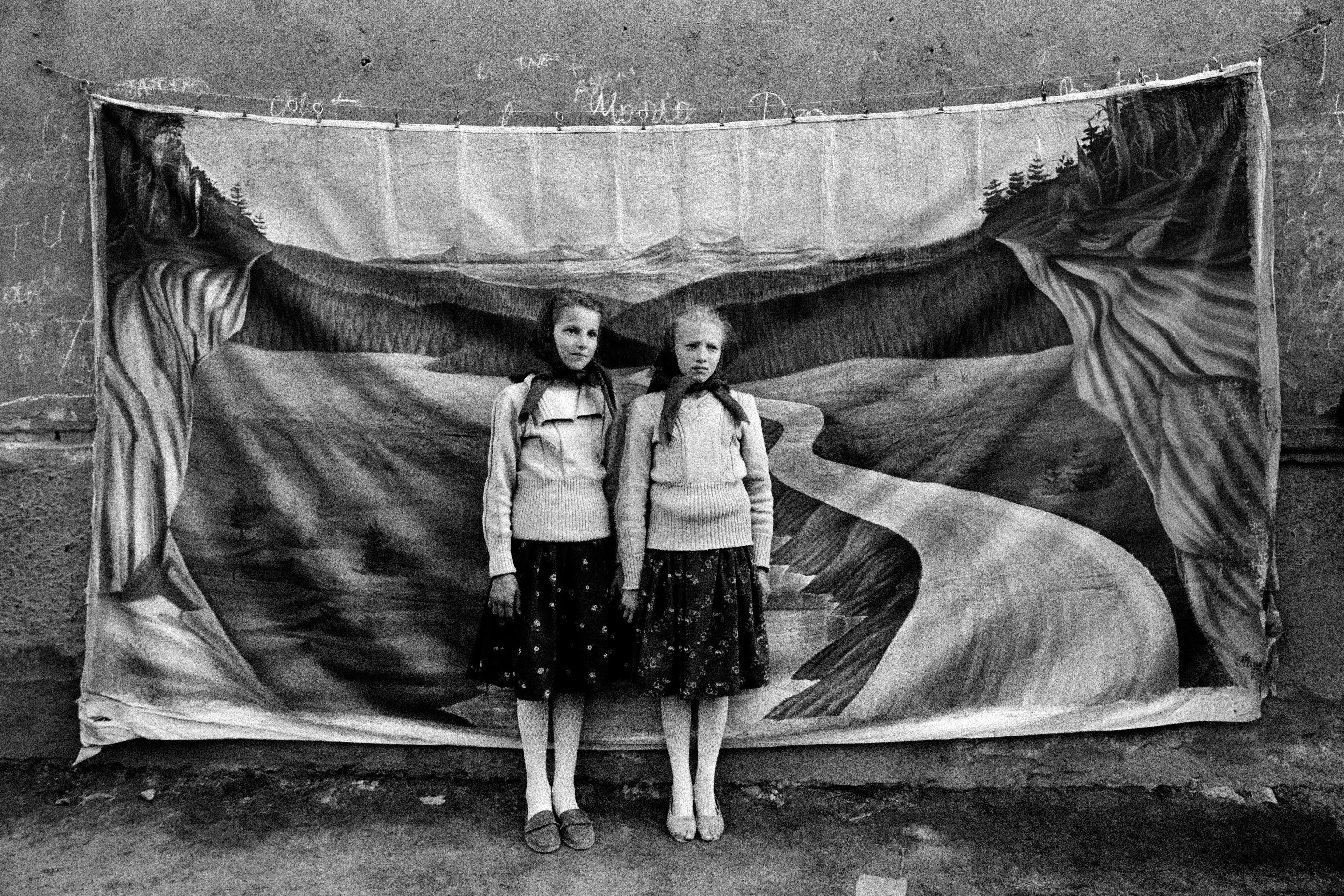
1998
Fabio Ponzio
Ponzio journeys through Eastern Europe following the fall of the Iron Curtain. His photographs depict faces, landscapes and cities in flux – imbued with both melancholy and hope. The series becomes a poetic chronicle of an entire corner of the world seeking a new identity amid ruins and fresh beginnings.
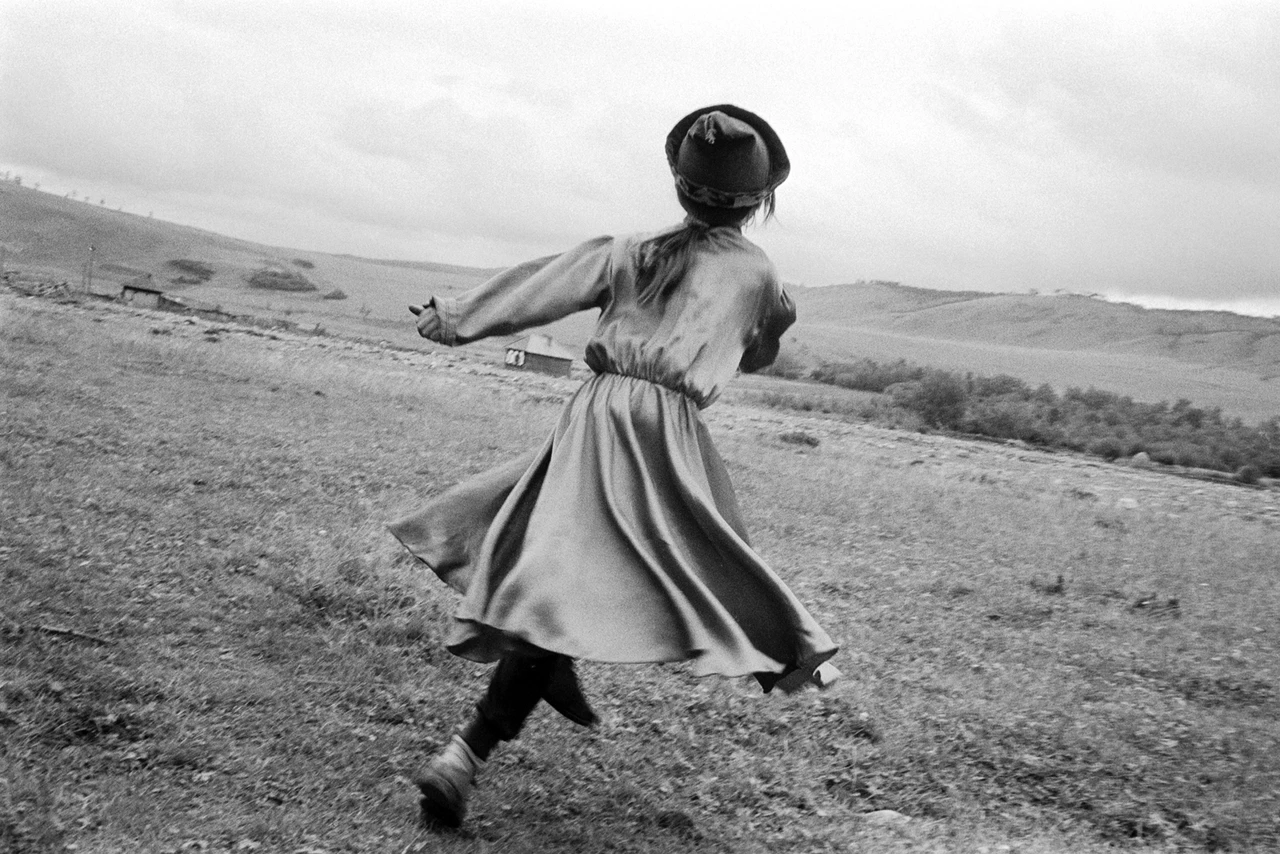
1999
Claudine Doury
Doury’s series, at the close of the millennium, appears as an invitation to reconsider identity and cultural roots. She photographs minorities, such as the Nanai and Evenken in Siberia. Her images are marked by intimacy, sensitivity and quiet poetry, conveying themes of tradition, memory and the looming loss of cultural diversity.

Through my photographs, I seek to pose questions and spark dialogue – creating space to discuss challenges and explore solutions collectively.– Sebastião Salgado