Staged Utopias vs Lived Reality
The Contrasts Become Sharper
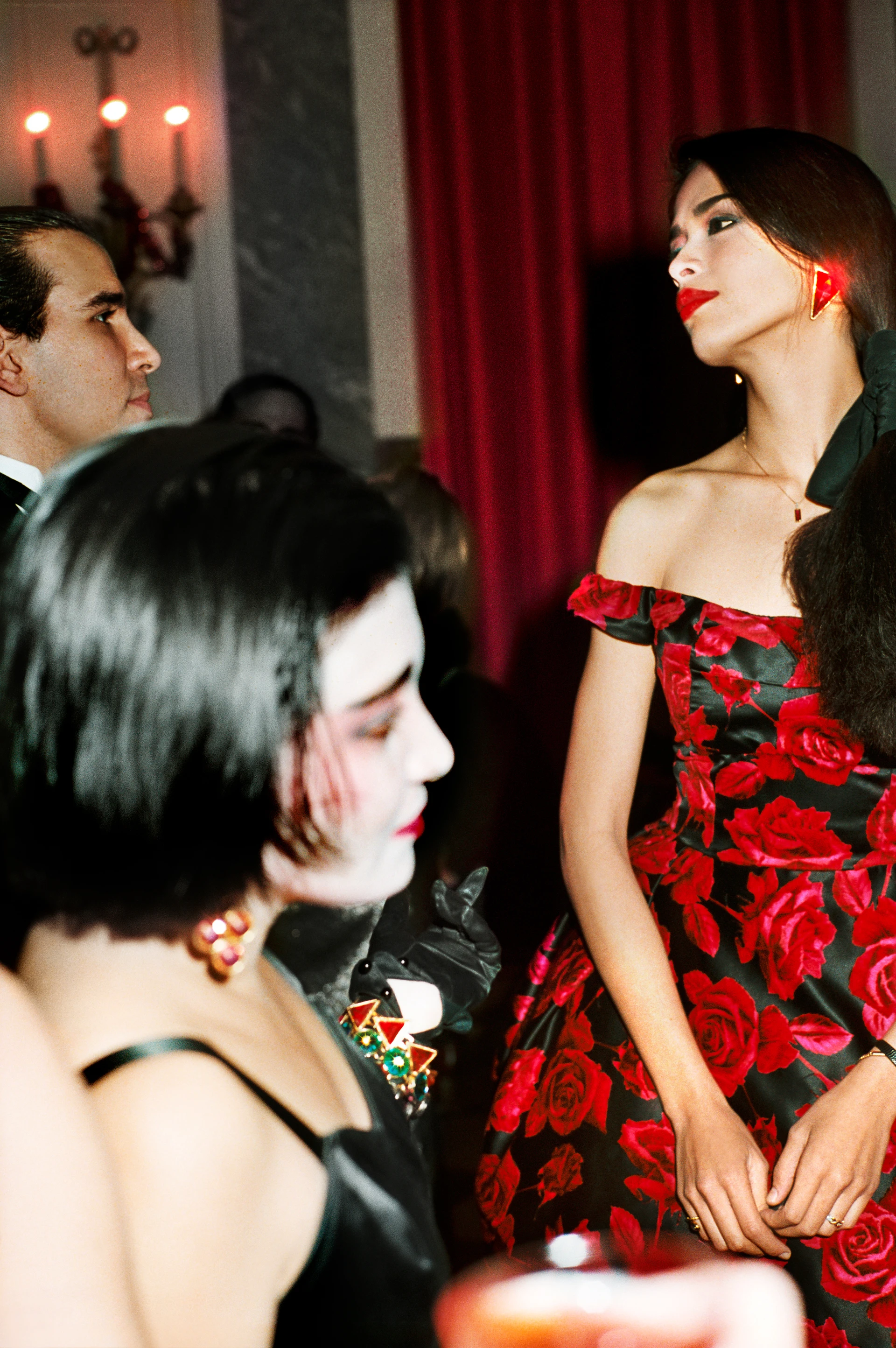
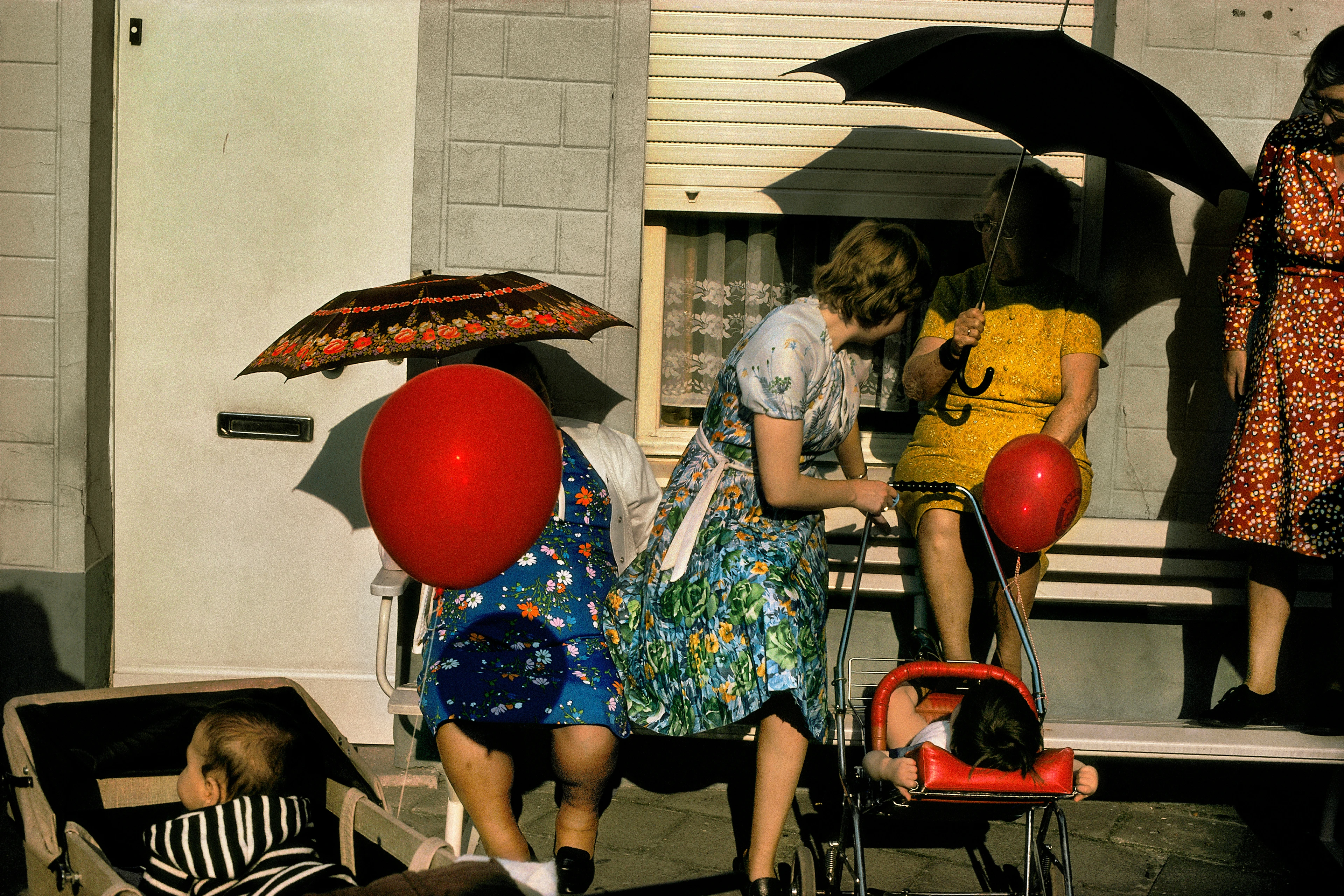
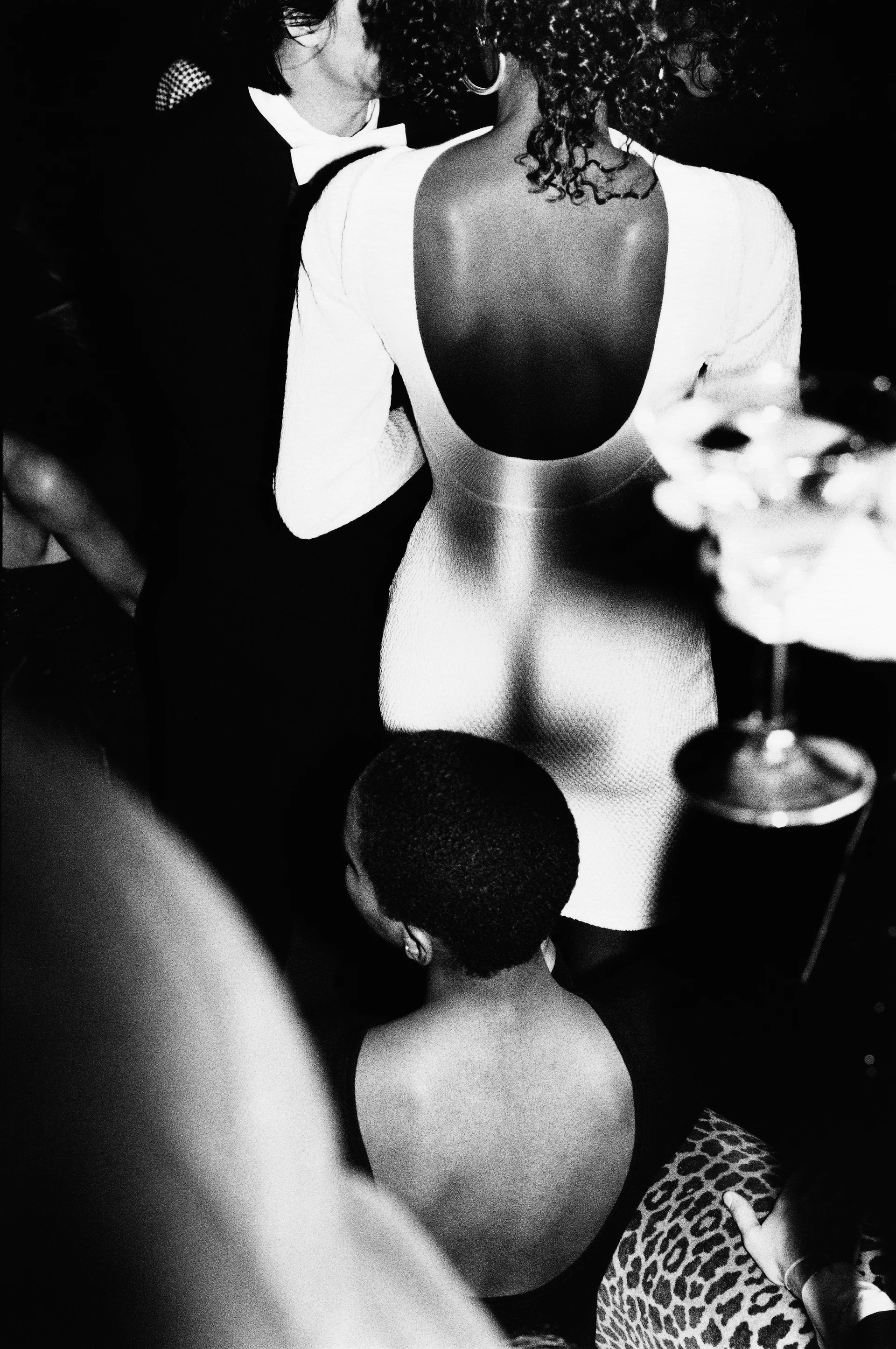
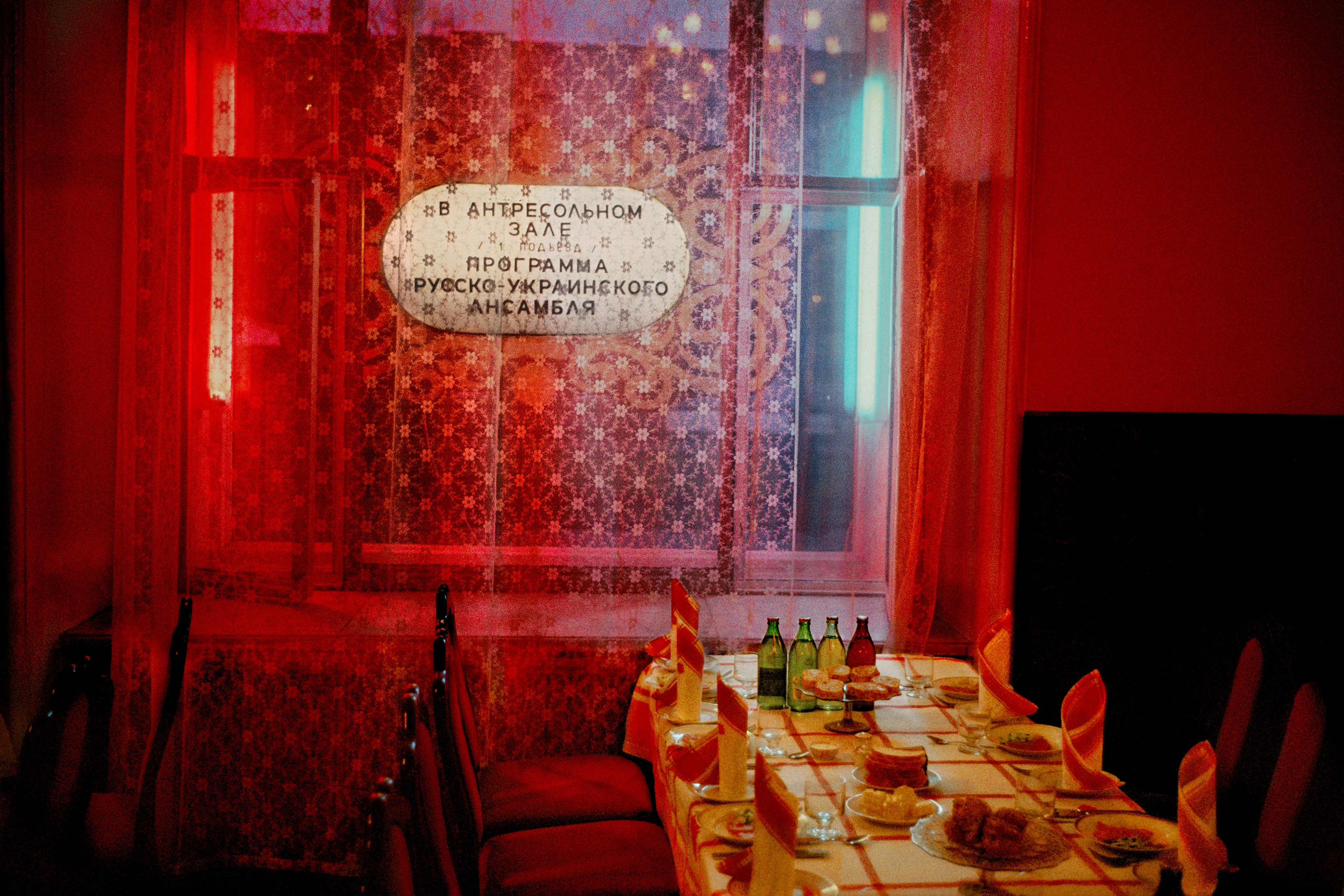
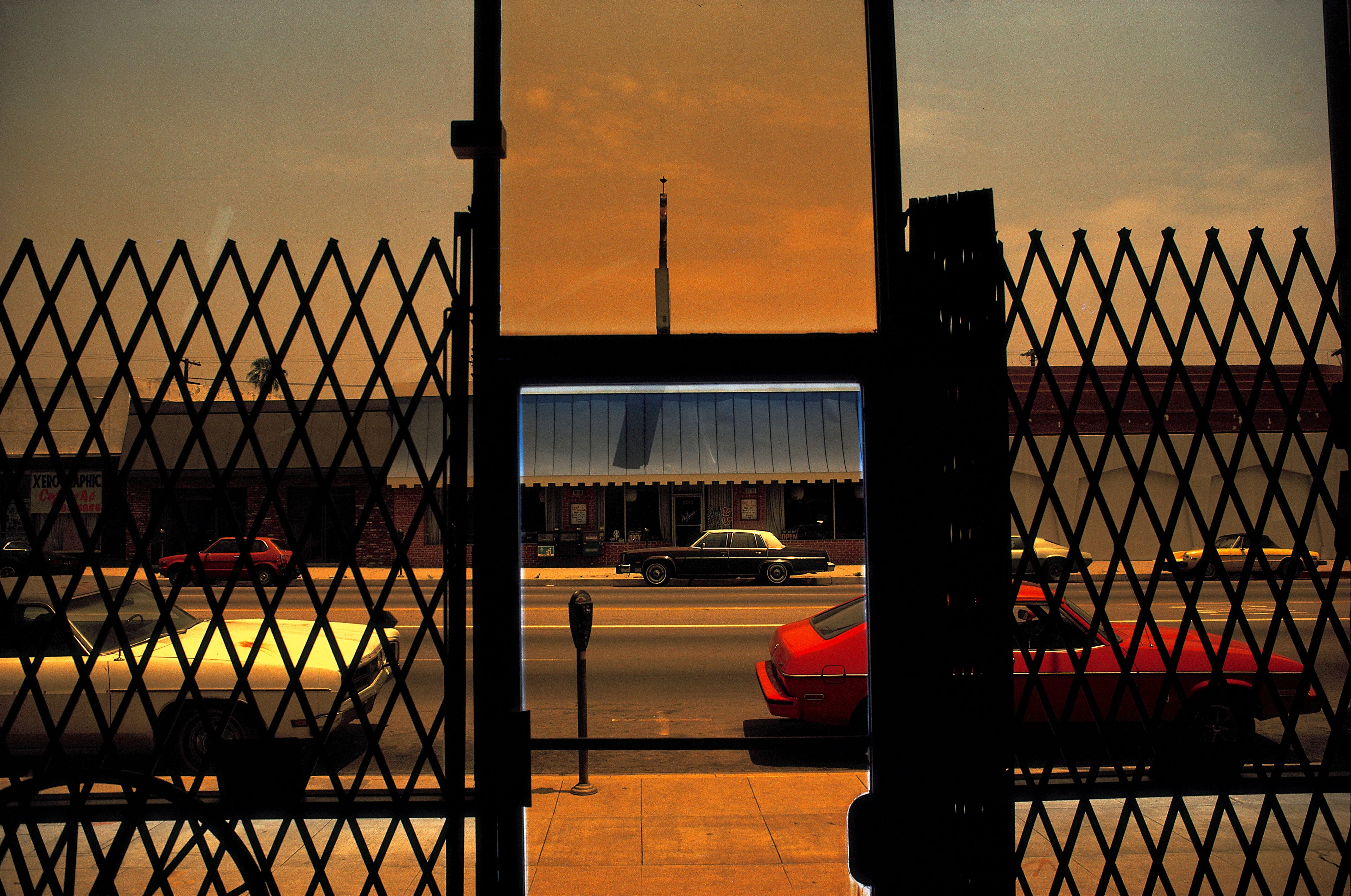
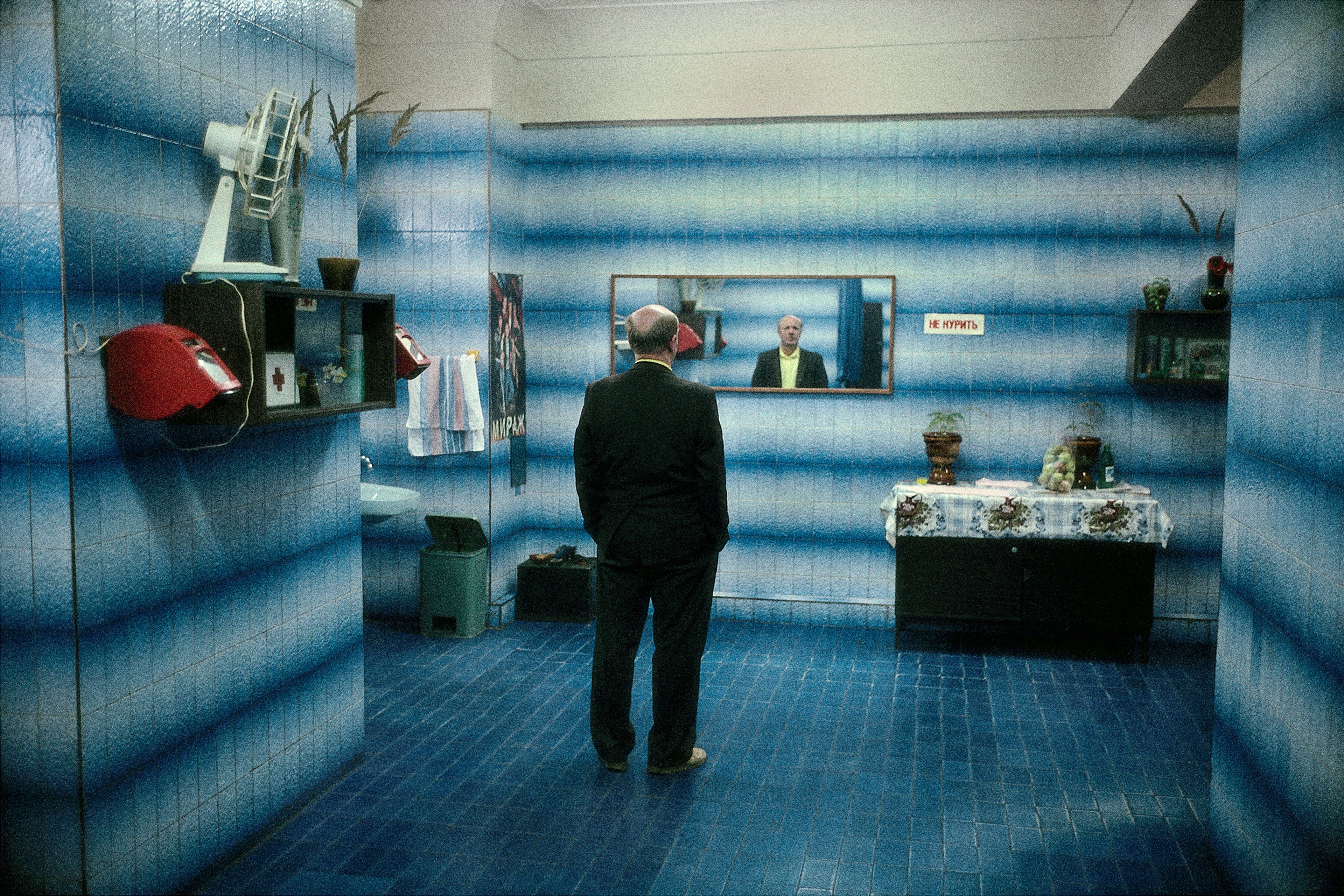
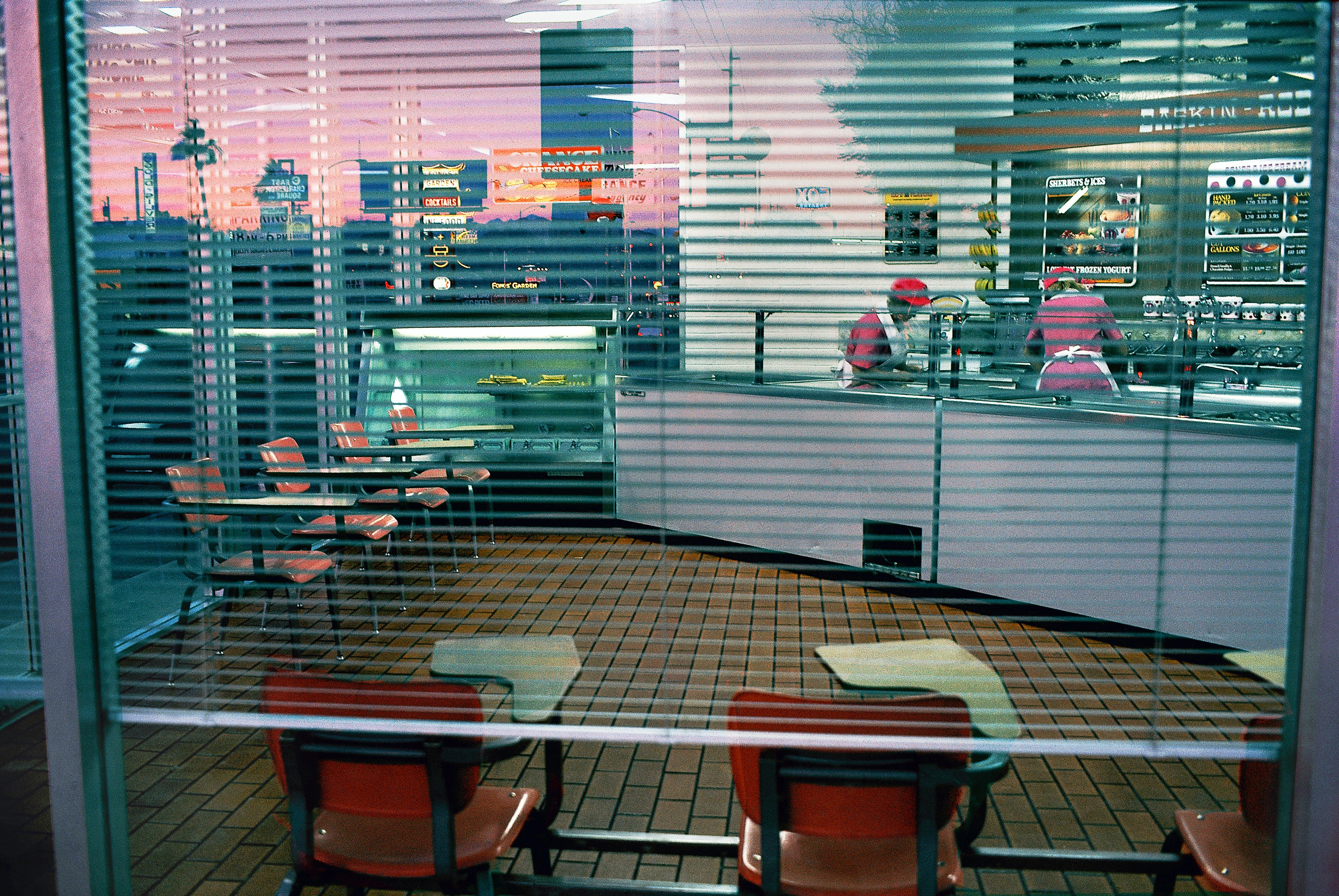
Years of social, sometimes polarising self-discovery culminate in clear extremes in the 80s: Pop vs punk. Eco vs plastic. Neon vs black. At the same time, advances in camera technology foster a heightened sense of style and self-assurance. The starker contrasts within society likewise lead to a broader divergence in photographic imagery – ranging from hyper-normal everyday scenes to lurid, polished dreamscapes.

Genuine Time Capsules
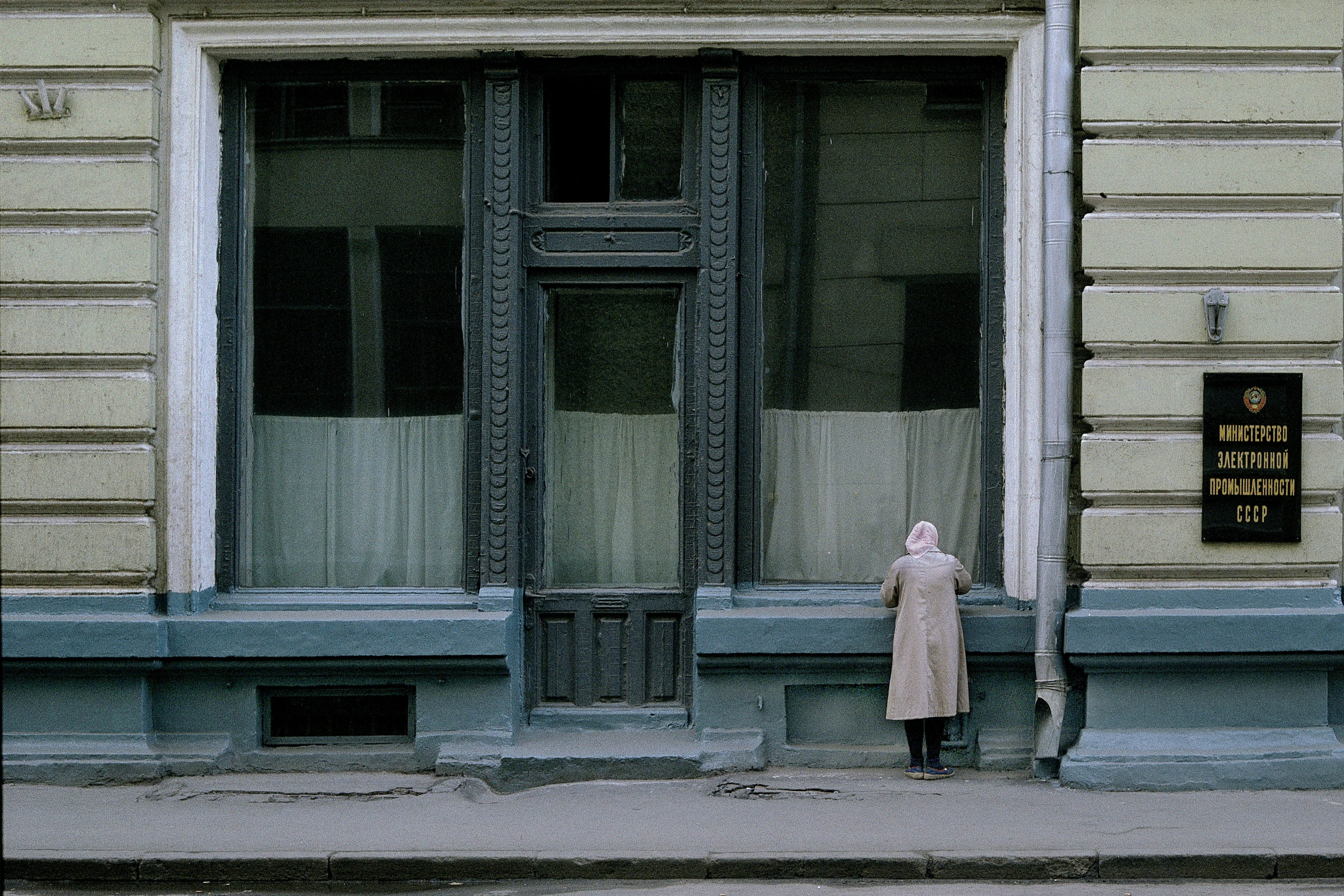
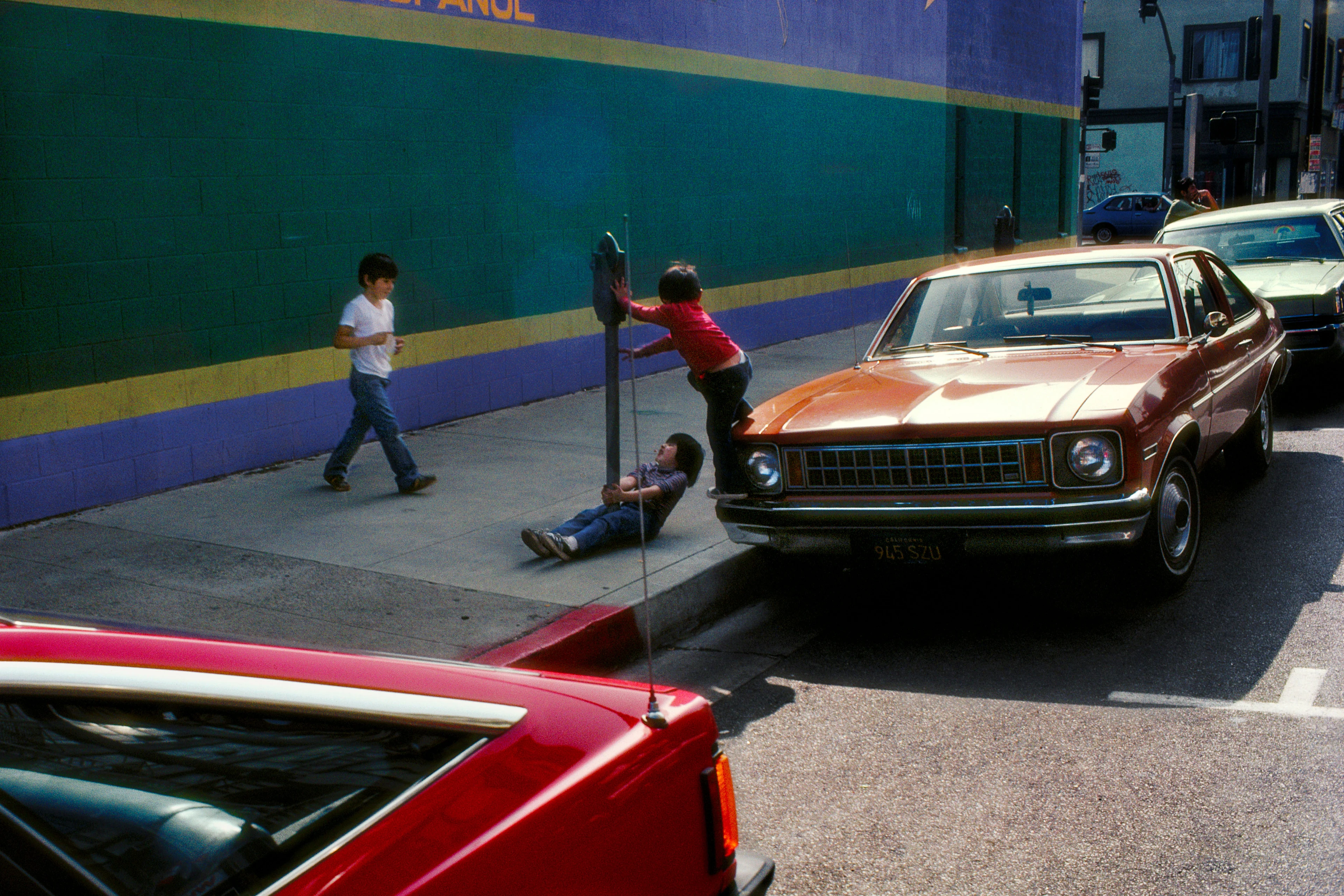
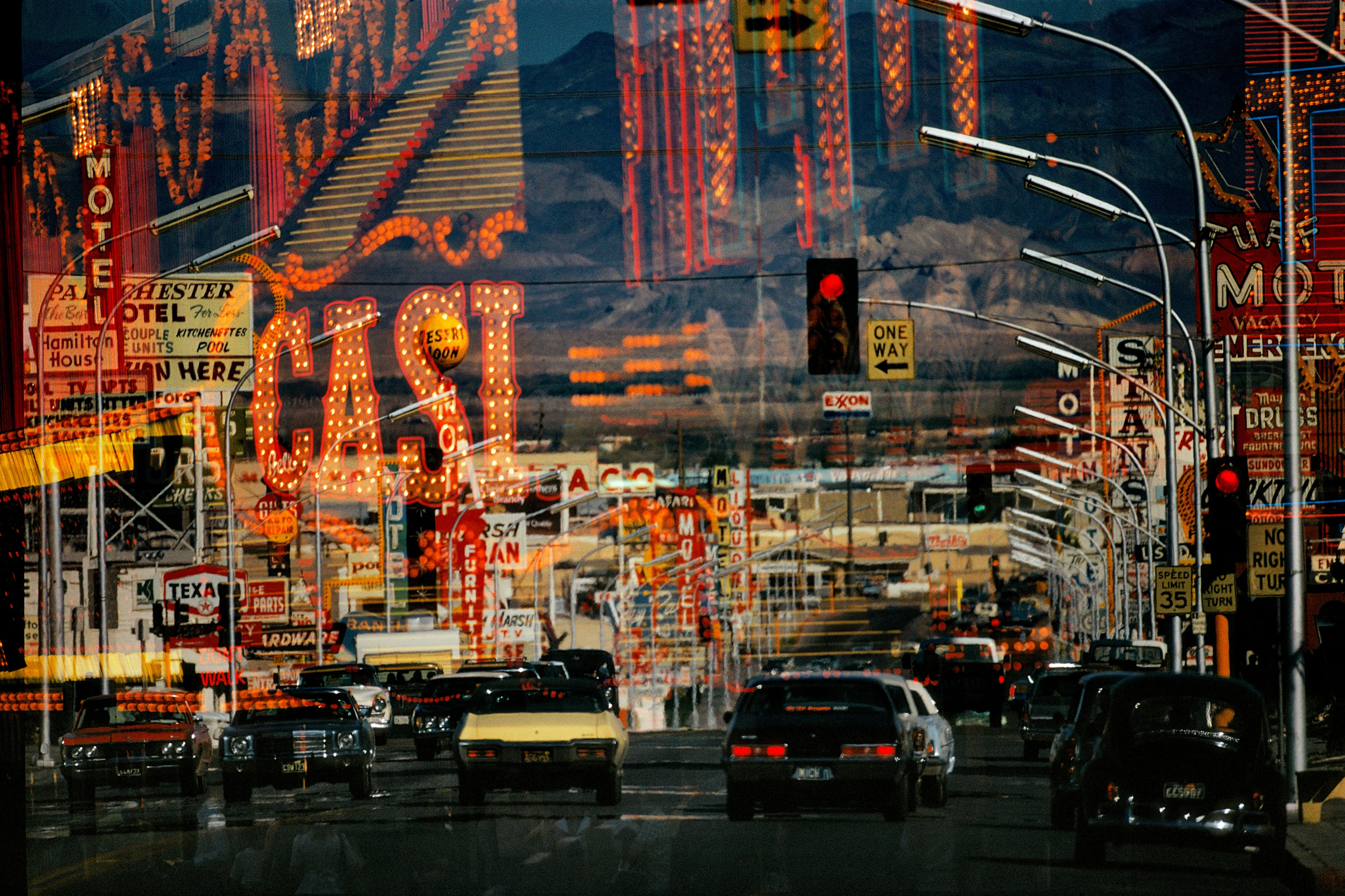
Harry Gruyaert is among the rare photographers capable of navigating both high gloss and everyday realism – and of seamlessly blending the two. Through self-contained colour compositions, his consistently authentic snapshots take on an almost surreal quality, transforming everyday motifs into cinematic scenes. And yet, through familiar elements, vivid colours and a singular atmospheric richness, the viewer is drawn directly and authentically into the era in which the photographs were captured.

Leica R4
Advancing with Silent Steps, Spreading in Every Direction
The R4 represents the fusion of Leica’s precision optics with electronic single-lens reflex camera technology. With shutter speed, aperture and even program AE modes, this compact, lightweight and remarkably quiet SLR ranks among the most versatile cameras in its category.
In the Same Place at the Right Time
It is rare for artists living in the same era to attain such cult-like celebrity status as the New Yorkers Andy Warhol, Jean-Michel Basquiat and Keith Haring. Their distinctive styles and collaborative works are acclaimed well beyond the confines of art galleries, appearing on millions of living room walls, across fashion pieces and within the pages of magazines. Their approach to making art more accessible defines the global visual zeitgeist and forges new connections between street art, social critique and photography.
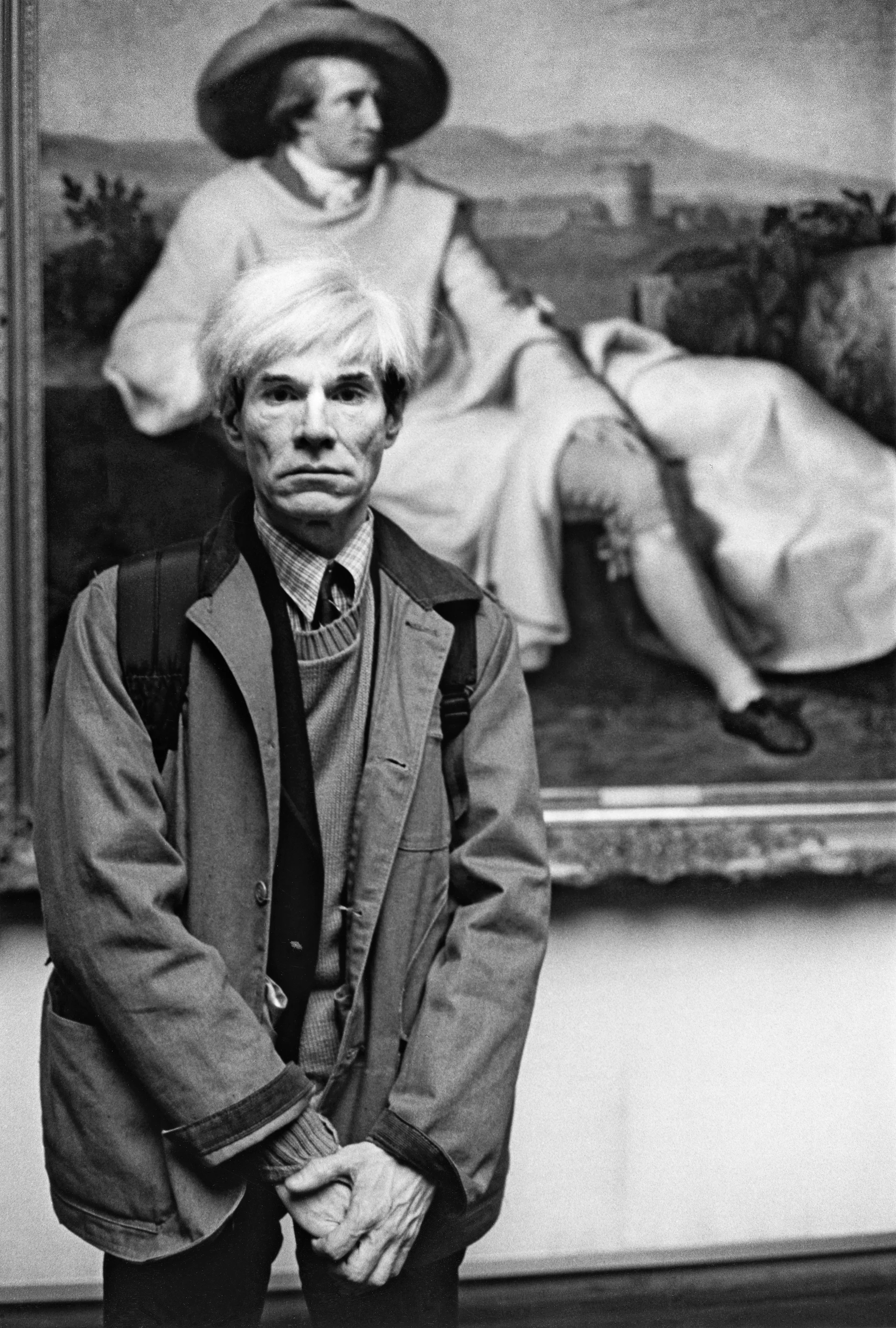
Andy Warhol
Unlike Haring and Basquiat, Warhol has already secured his place in the art world by the 1980s. He emerges as their pioneer and trailblazer. Beyond the confines of traditional galleries, his creative hub, “The Factory”, stirs controversy and evolves into a haven for dissenters. The “inventor” of pop art fully indulges his fascination with decadence and propels it to global fame through his artworks. His use of photography becomes an influential stylistic tool – one that inspires Basquiat and simultaneously serves as a means to distinguish himself.
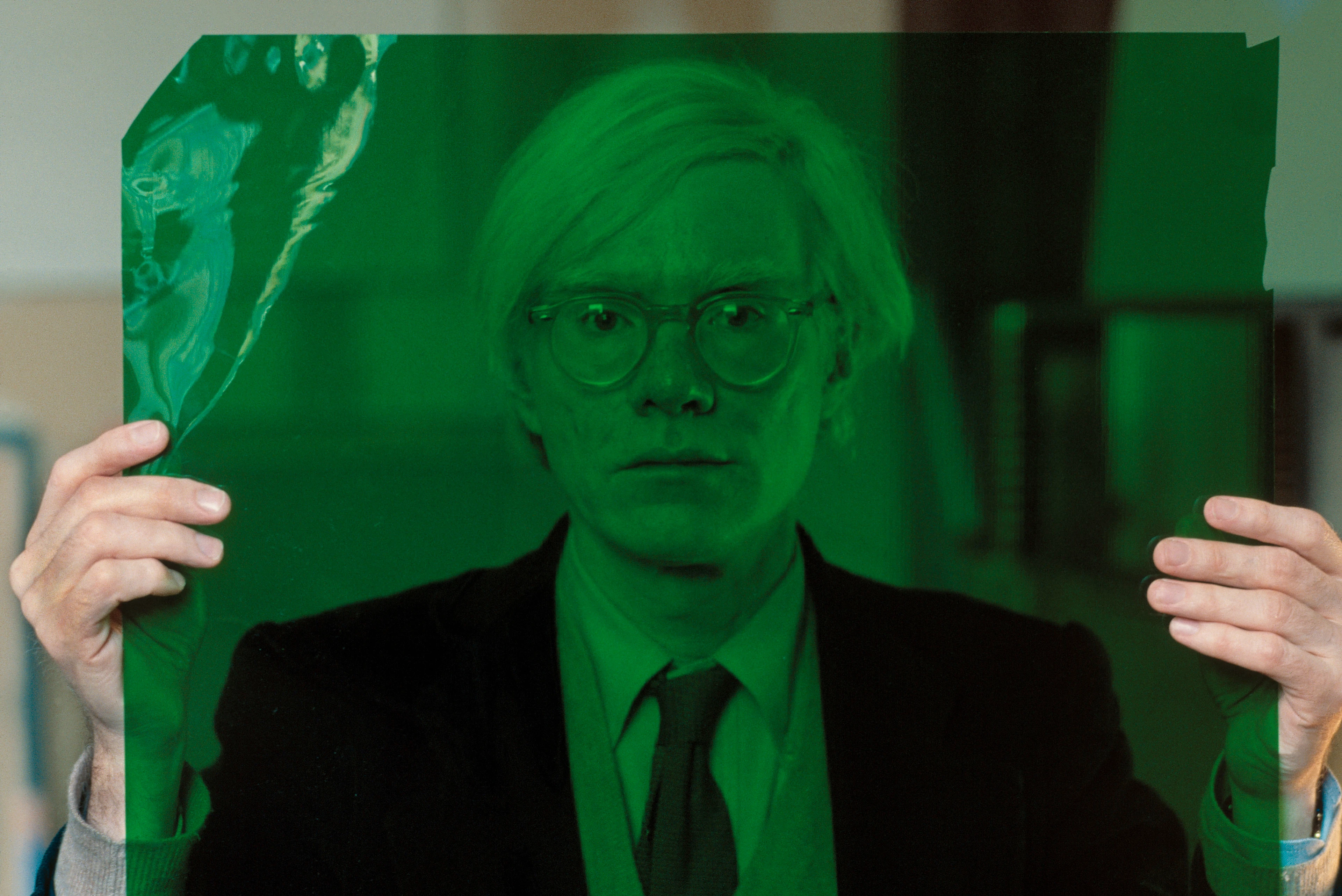
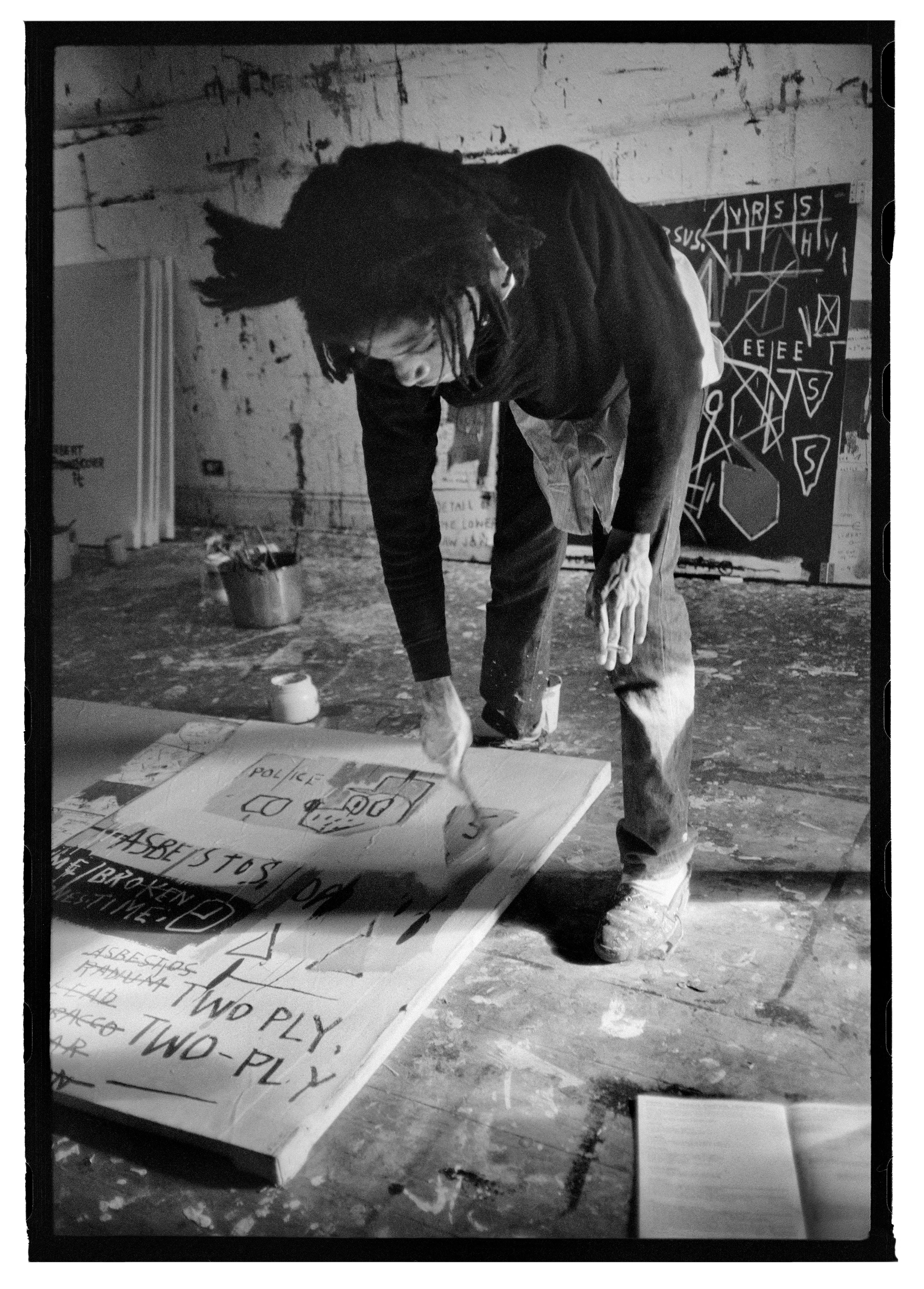
Jean-Michel Basquiat
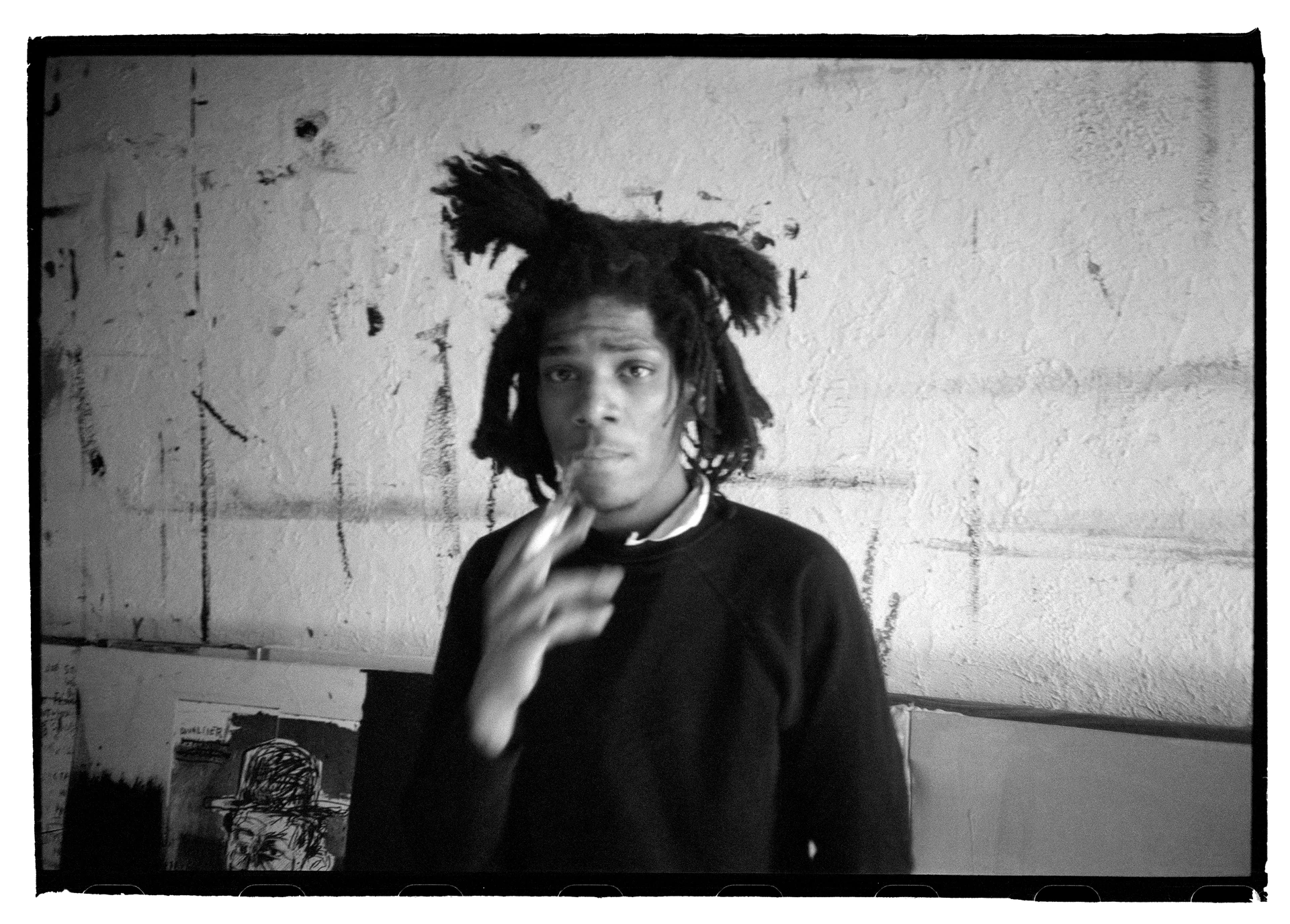
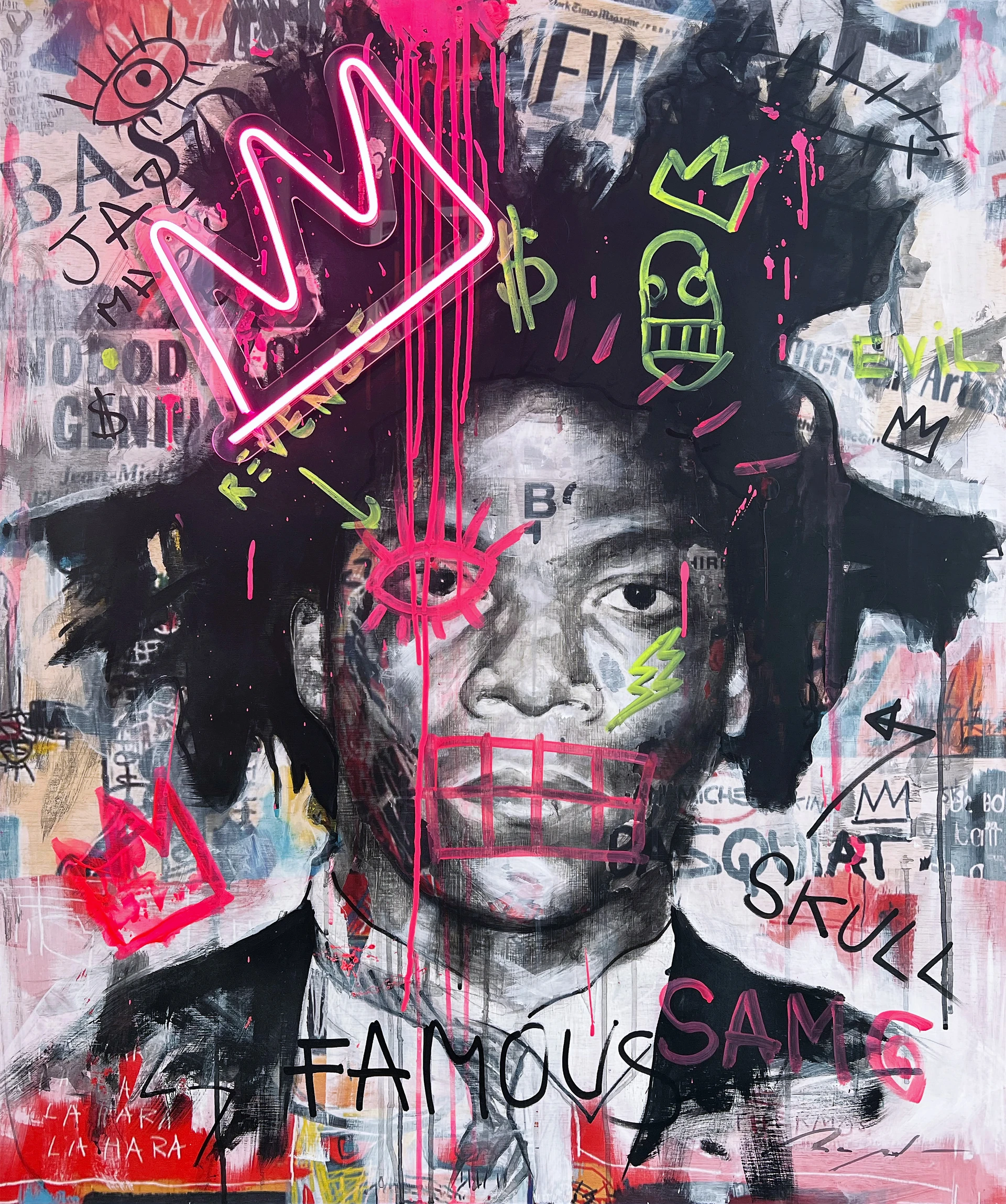
Jean-Michel Basquiat is frequently cast as the century’s tragic genius. With his distinctive blend of graffiti, illustration, photo collage and typography, he swiftly establishes a reputation within the art world and far beyond. Madonna becomes his girlfriend, and numerous other celebrities enter his circle of acquaintances. The familiar excesses of the New York scene ultimately overtake him far too early. At the very least, his enigmatic, provocative and impulsive work continues to enjoy widespread – perhaps even more – acclaim today.