Leica R3
Discovering New Worlds Together
The Leica R3 is Leica’s first electronic single-lens reflex camera. Developed together with Minolta and Copal, it offers a new, particularly quiet and compact shutter as well as a comfortable aperture-priority mode. It is the first camera on the market to come with two light metering techniques: Integral and selective. Leica R-lenses are available in focal lengths from 16 to 800 mm.
Walls of Change
The First Leica Gallery
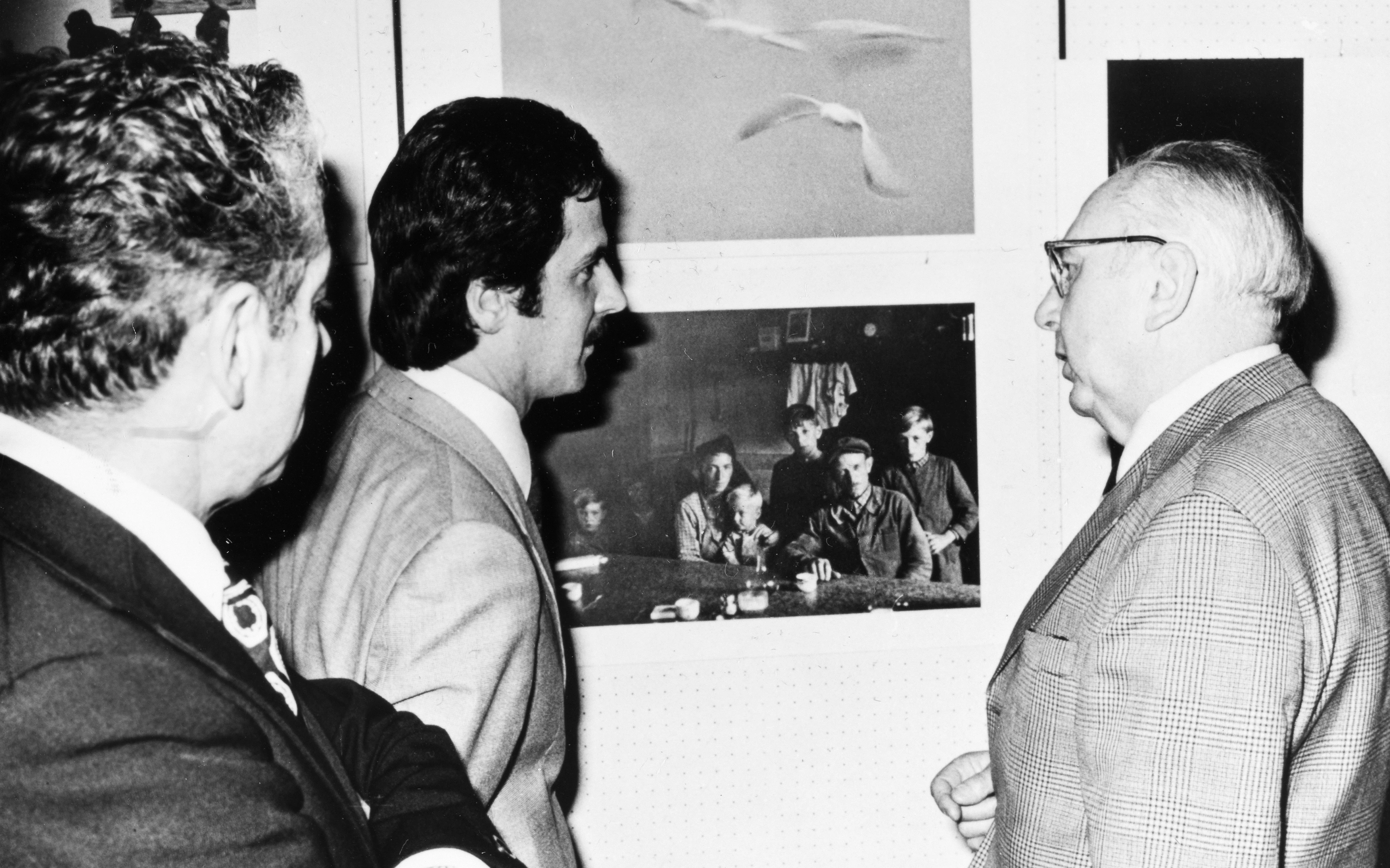
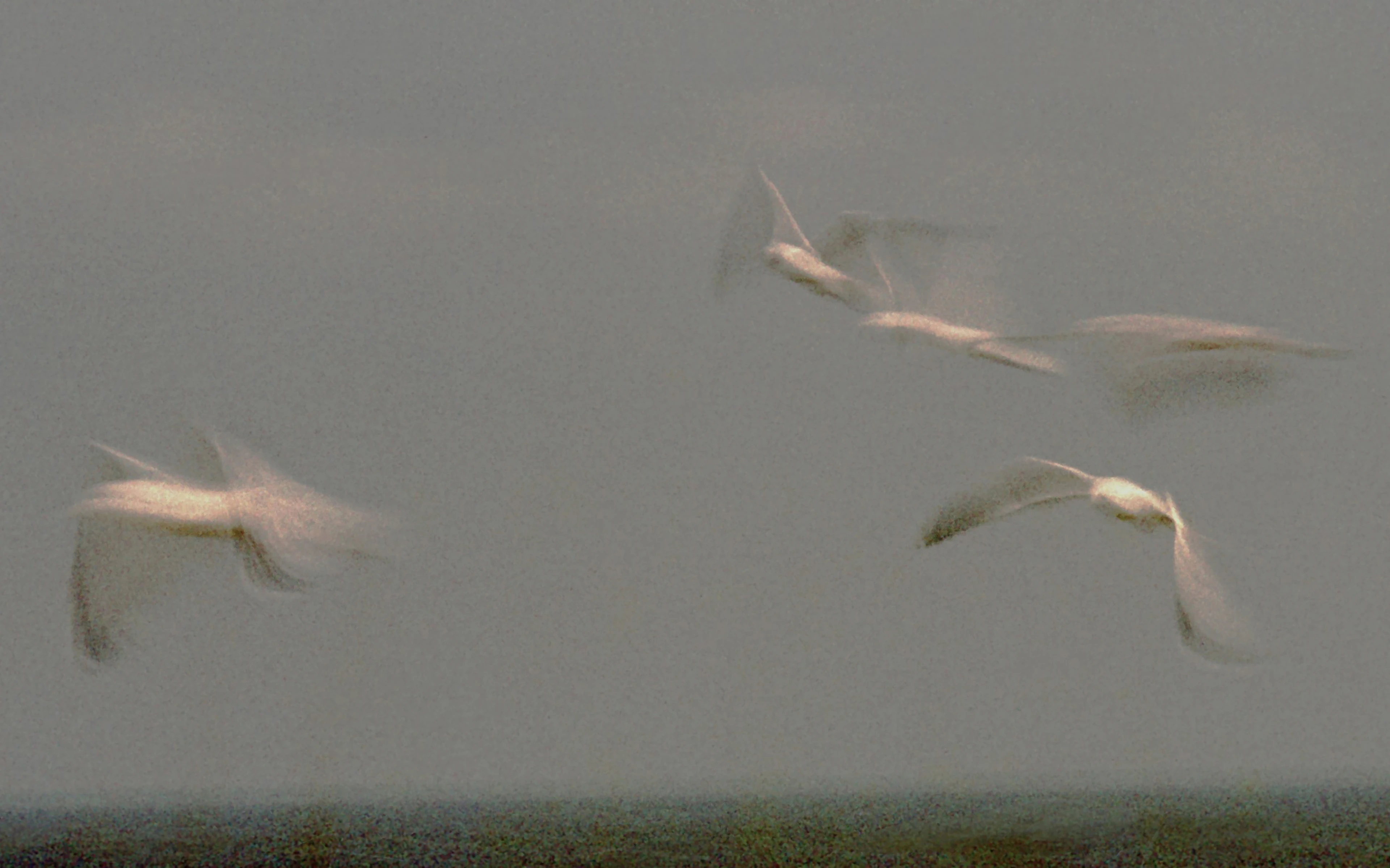
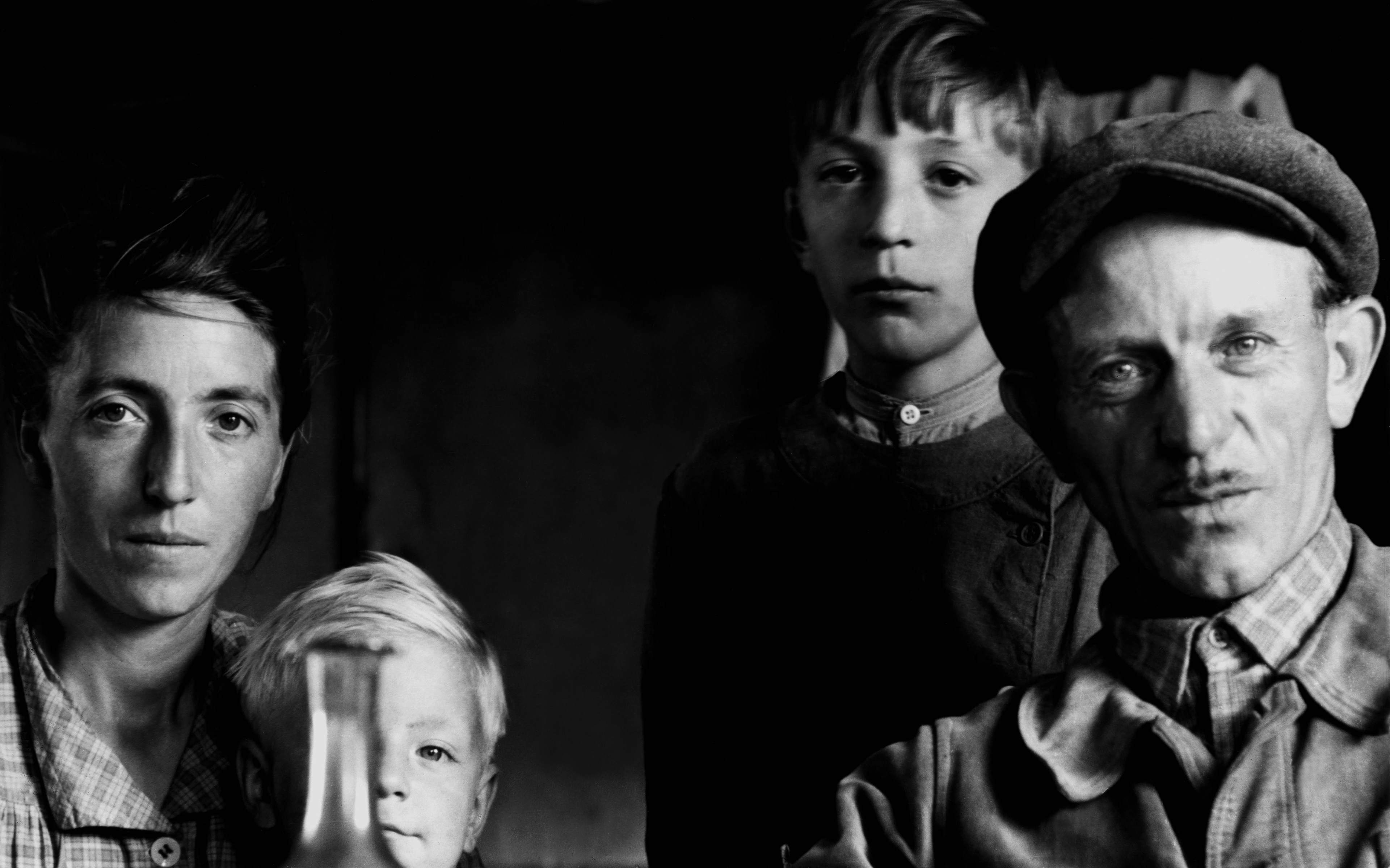
Born from the idea of making Leica photography more accessible and inviting interested parties to be inspired, engage in dialogue and escape the everyday, the first Leica Gallery is opened in Wetzlar in 1976, displaying photographs by Dr Walter Boje. Today, 29 galleries across the globe are keeping this idea alive.
Gallery
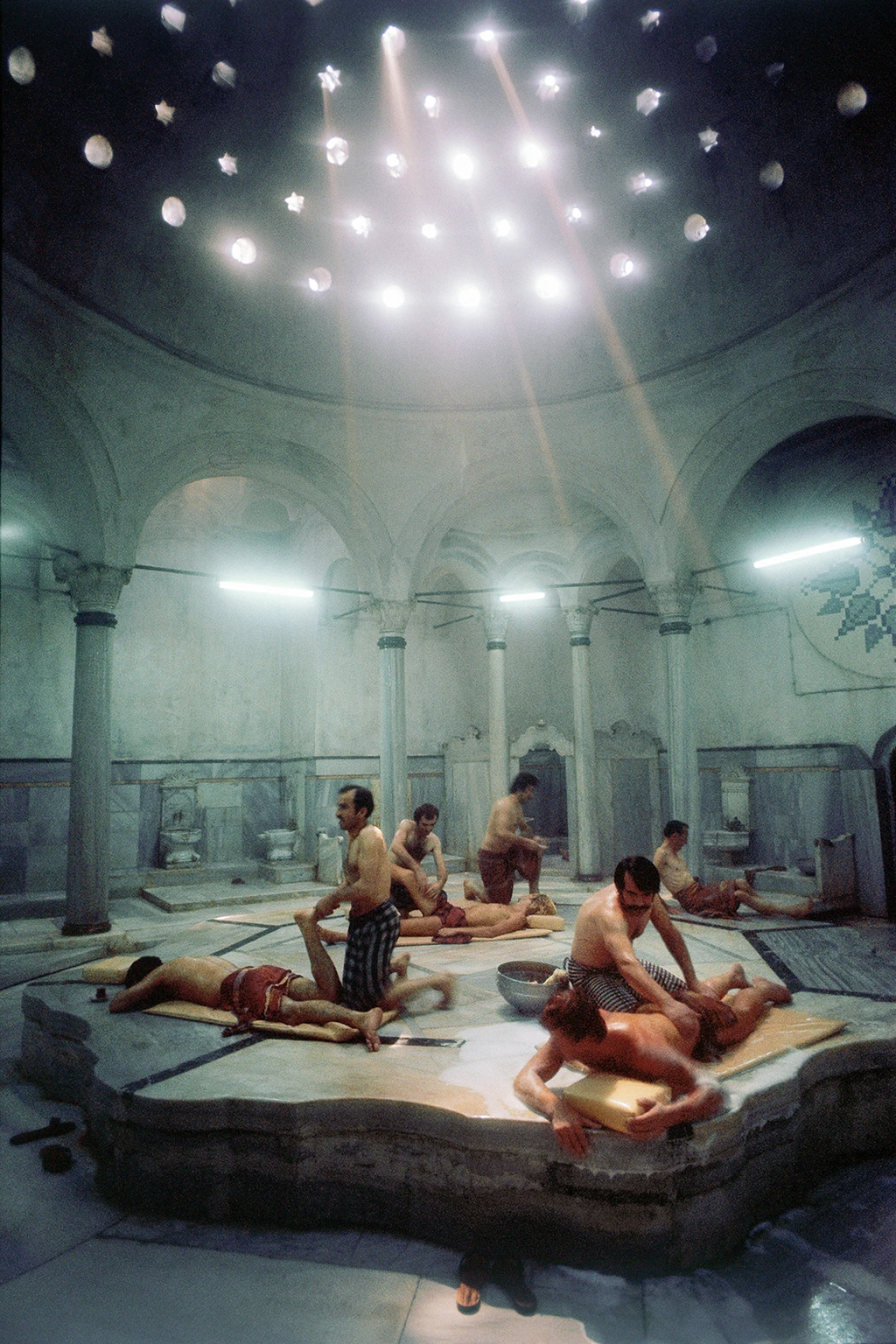
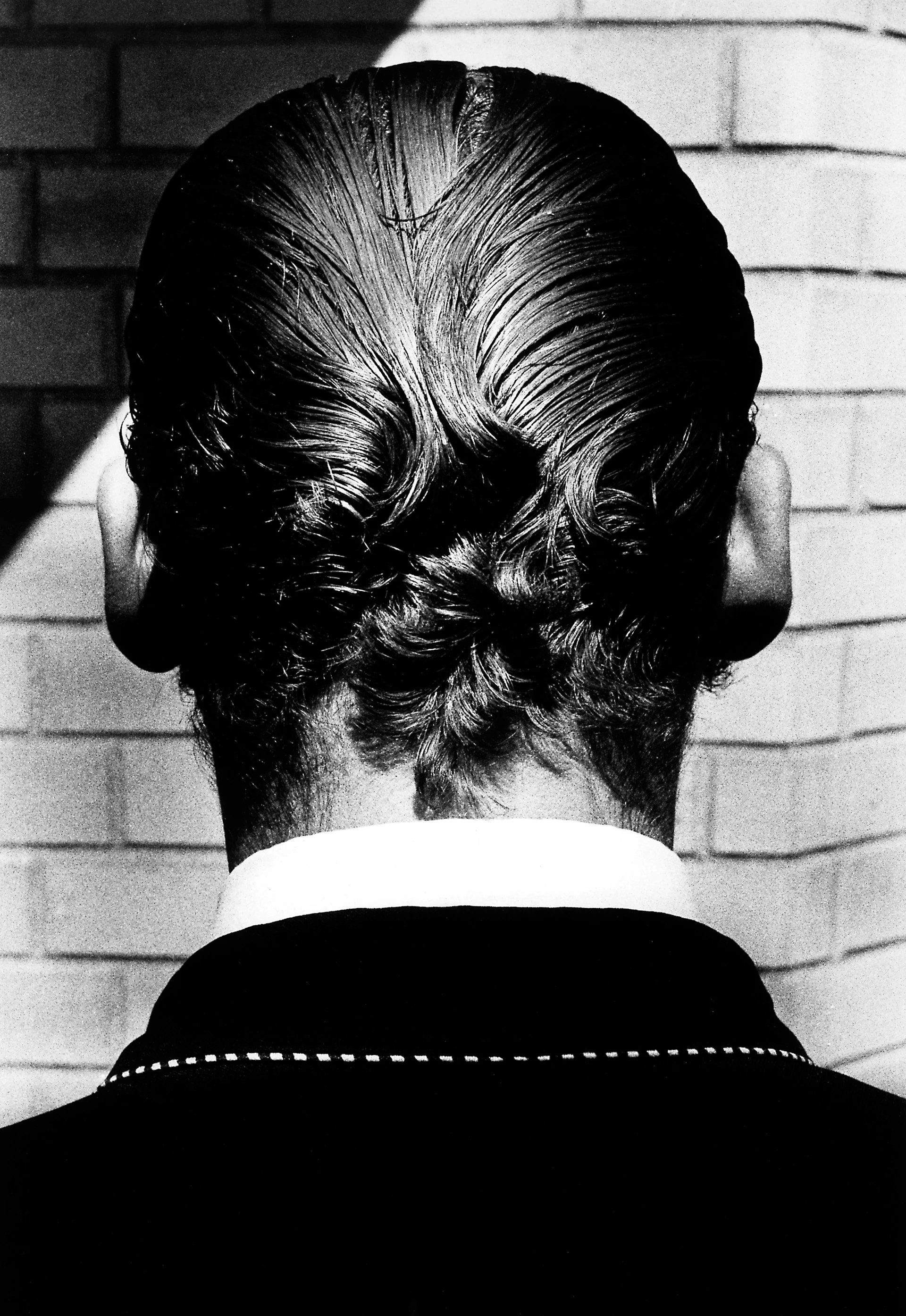
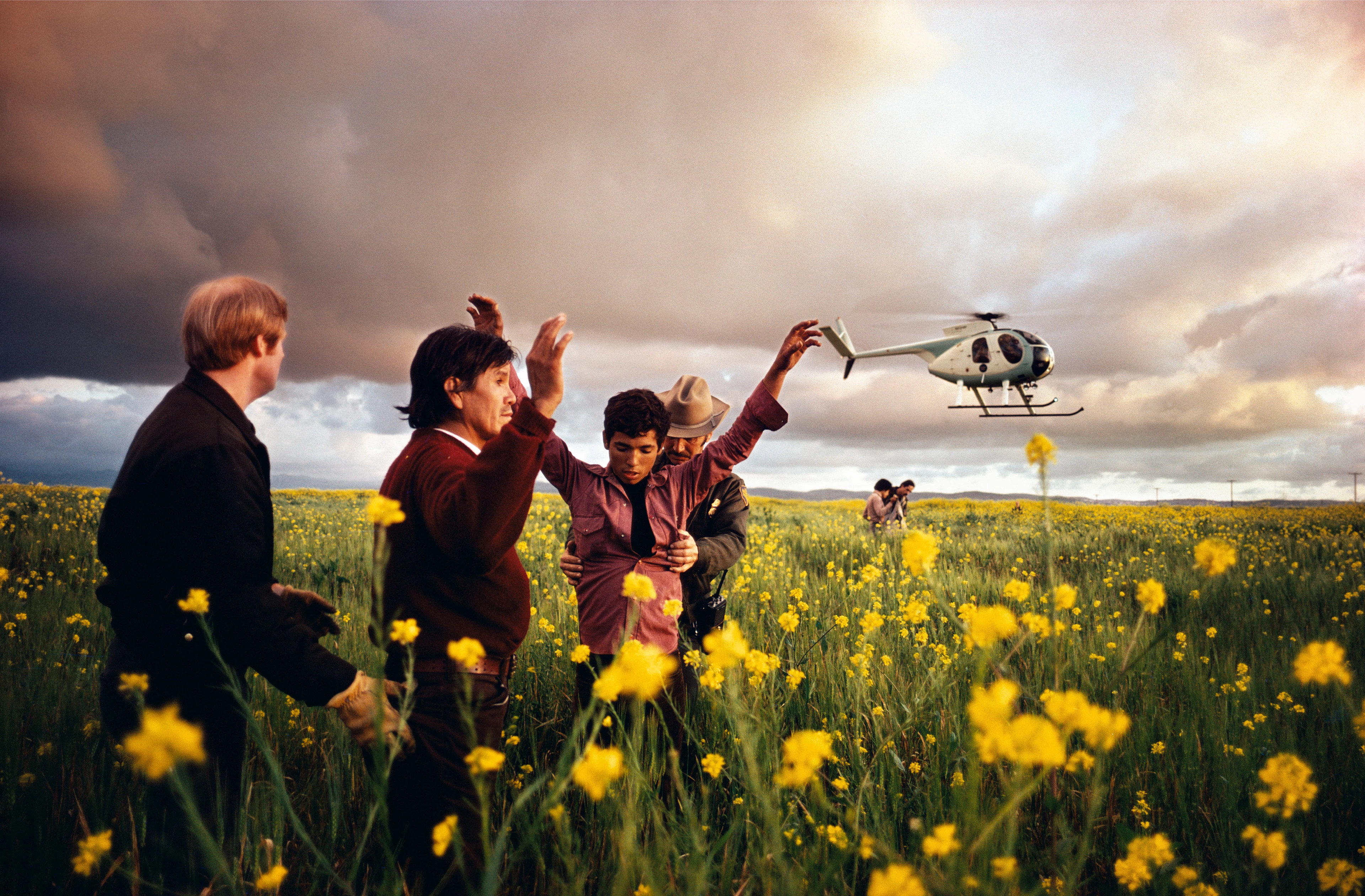
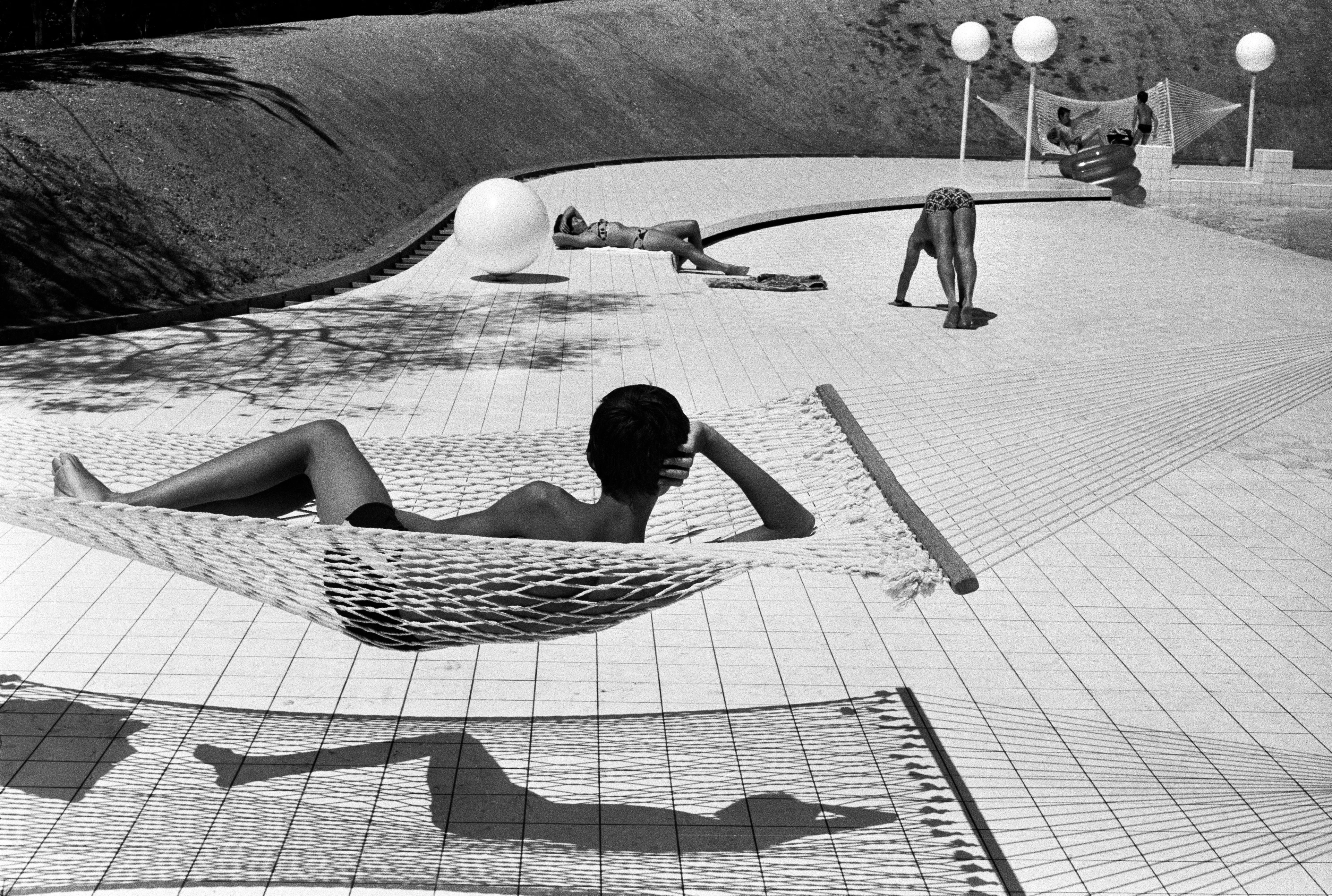
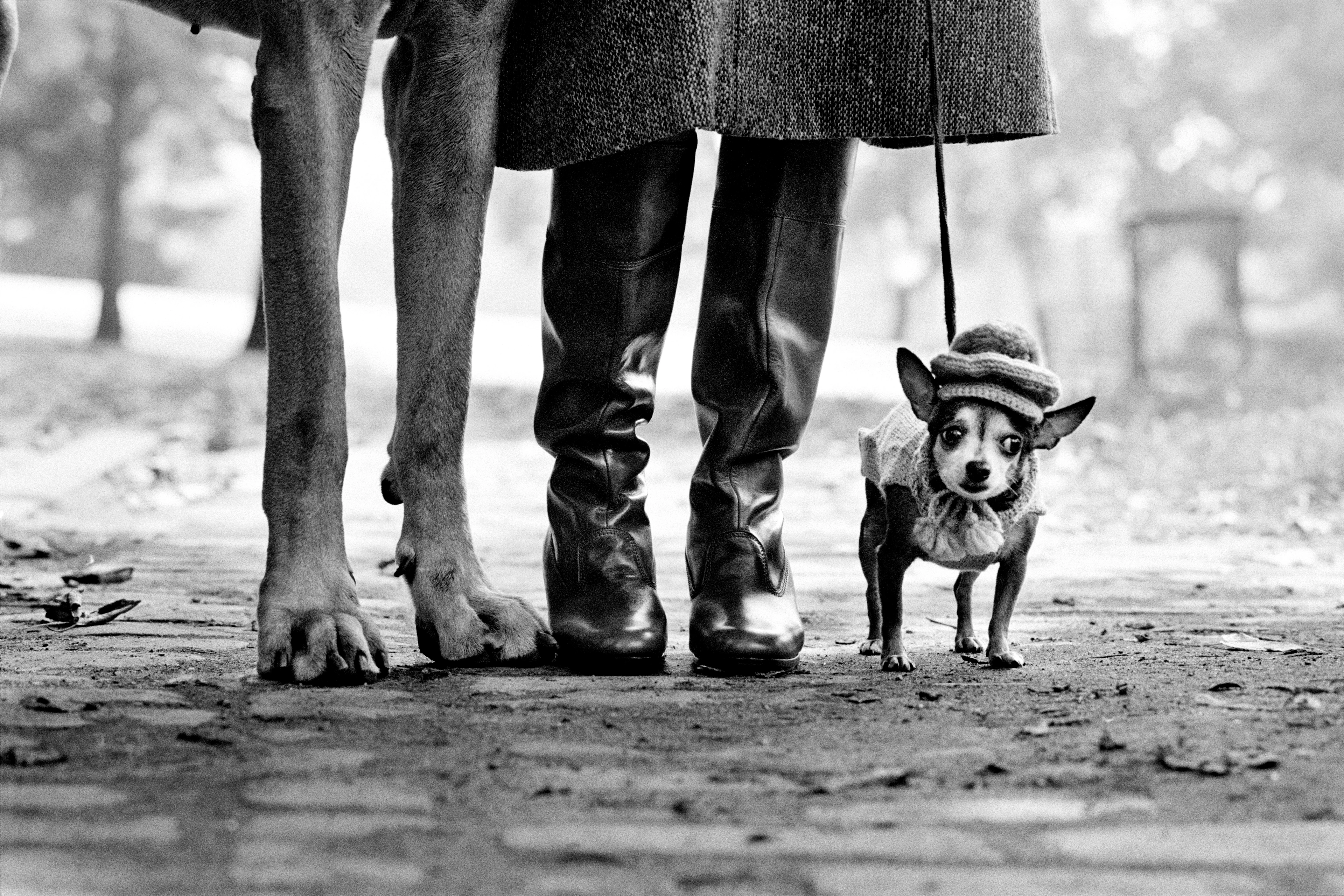
I never wanted to imitate reality. Photography should abstract, go beyond reality, put it in a different context.– Ralph Gibson© Ralph Gibson
A Kiss on the World’s Stage
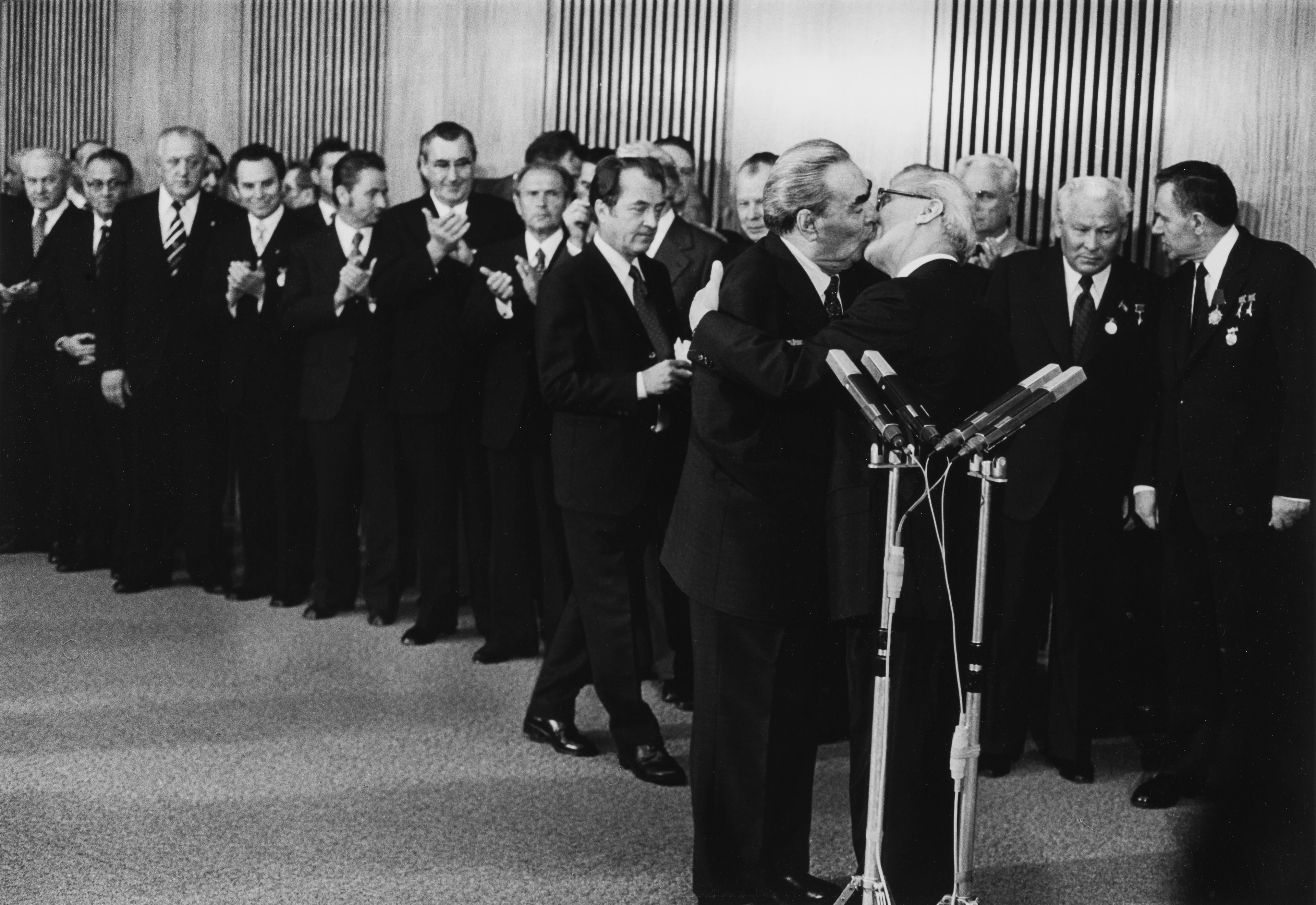
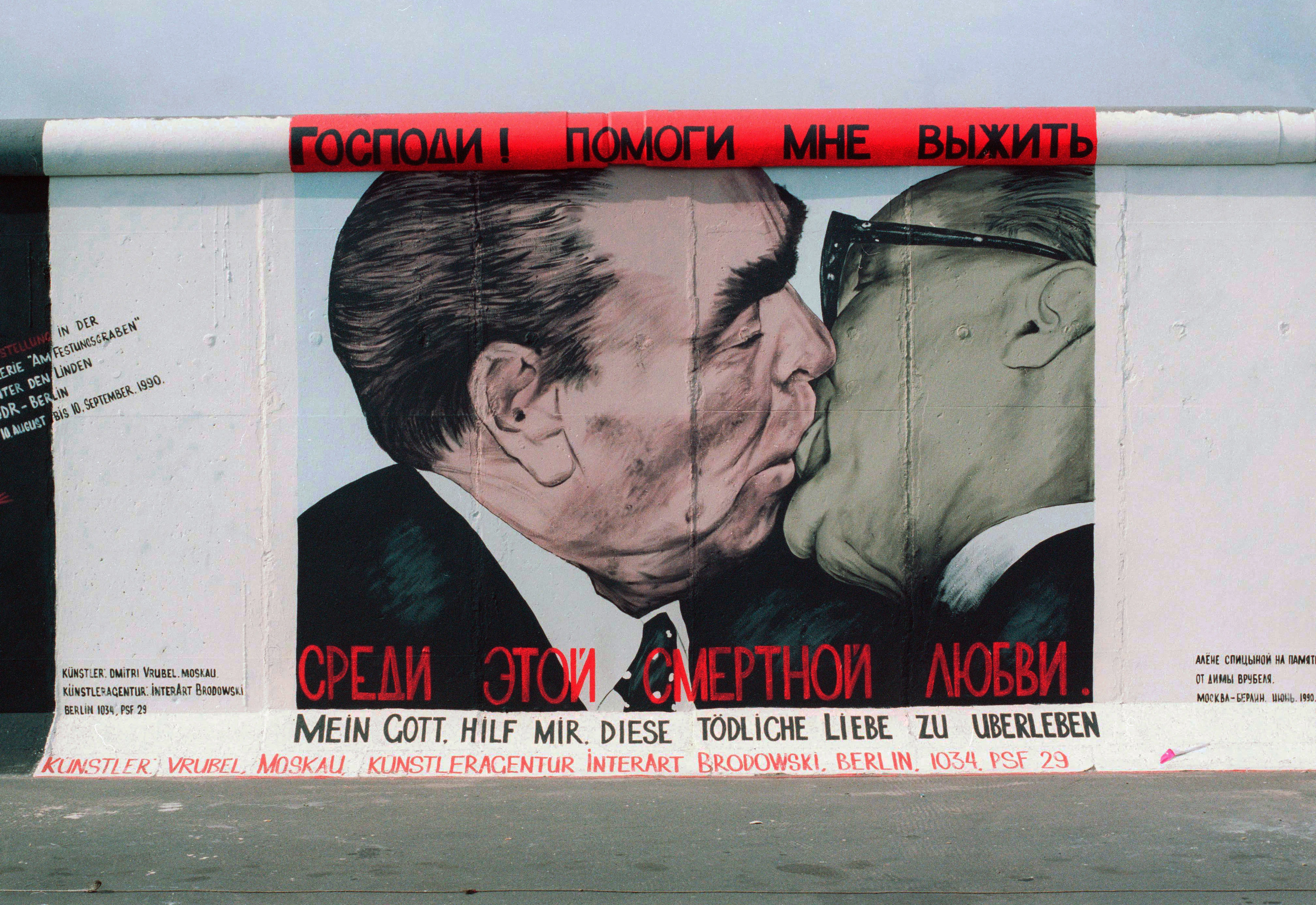
Two men in suits kiss with closed eyes – not intimacy but a political sign of solidarity. Barbar Klemm captures this staged moment between Honecker and Brezhnev, between the GDR and USSR, from a distance. In the background: No response. The photo would become an icon of political reportage. It would go on to enter the annals of pop culture as graffiti art (based on a close-up of the same moment) on a piece of the Berlin Wall.
Leica Oskar Barnack Award
Those Who See, Those Who Look Differently
In honour of his 100th birthday, the Leica Oskar Barnack Award (LOBA) came into being in 1979. This award, named after the pioneer of 35mm photography, is intended to help photographers with a distinct power of observation and unique perspective to gain greater prominence. The prerequisite for being nominated, which continues to apply to this day, is that the photographer’s work must address the relationship of mankind with its environment from a documentary or conceptualist perspective.
The Relationship Between Mankind and Its Environment
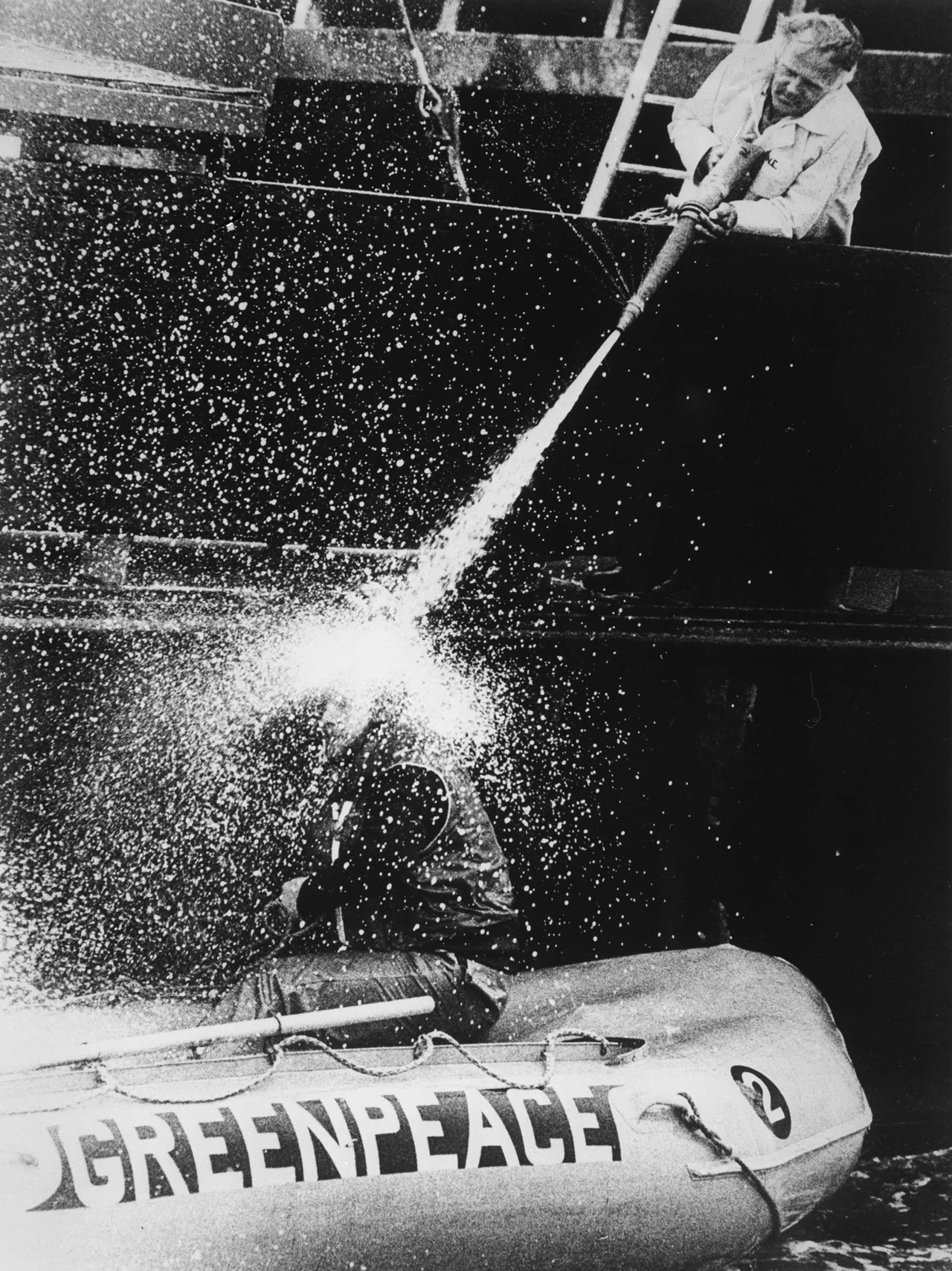
The first LOBA is awarded to Floris Bergkamp as part of the World Press Photo Contest in 1980. For his breathtaking black-and-white series, he takes a considerable risk by joining Greenpeace on a rubber dinghy as they carry out an audacious strike against marine dumping of nuclear waste in the Atlantic. With one hand, Bergkamp photographs the struggle with the freighter, which is defending itself in raging seas – in doing so, he lays bare the ongoing struggle for the prerogative of how we see the environment.
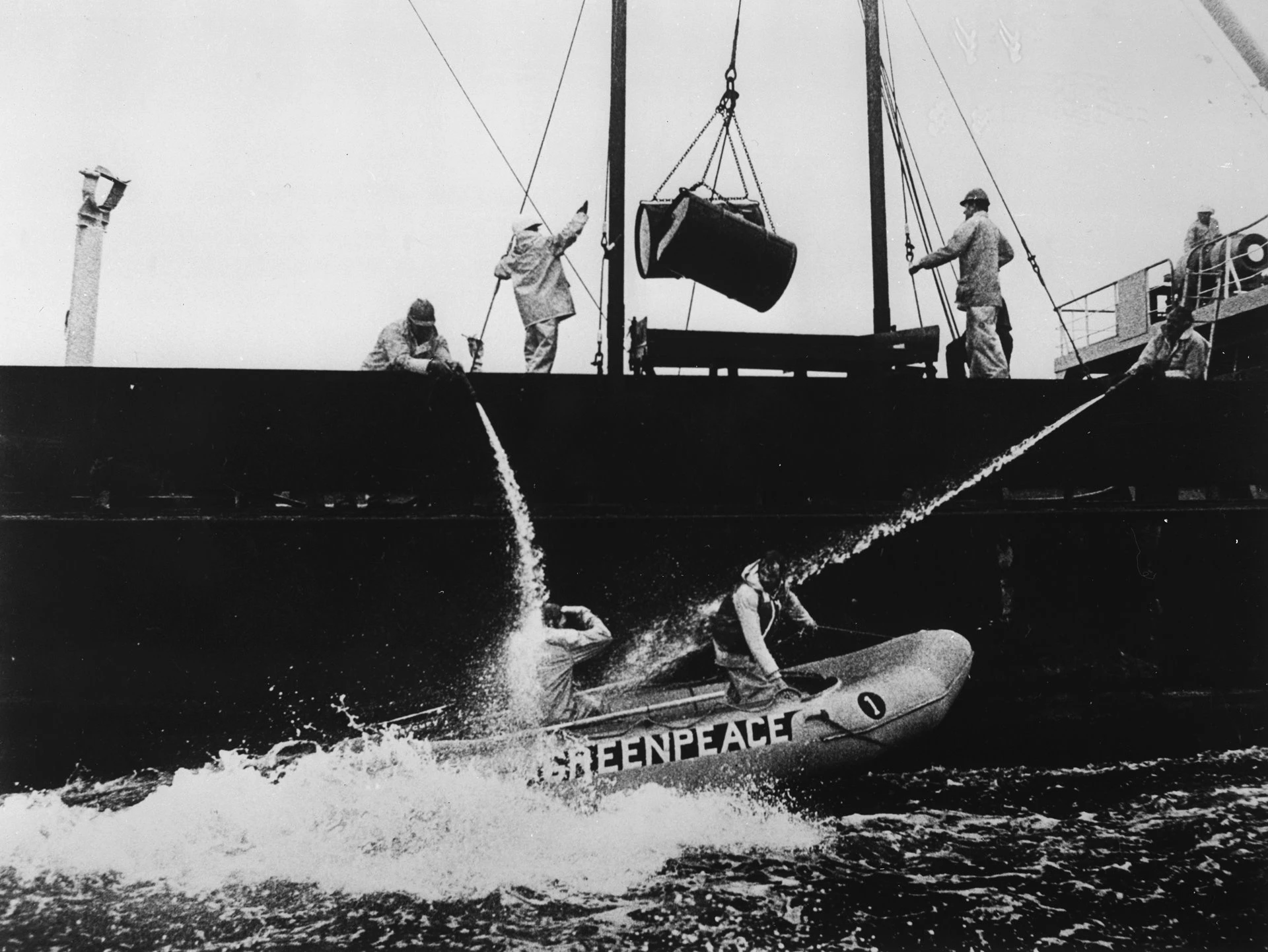
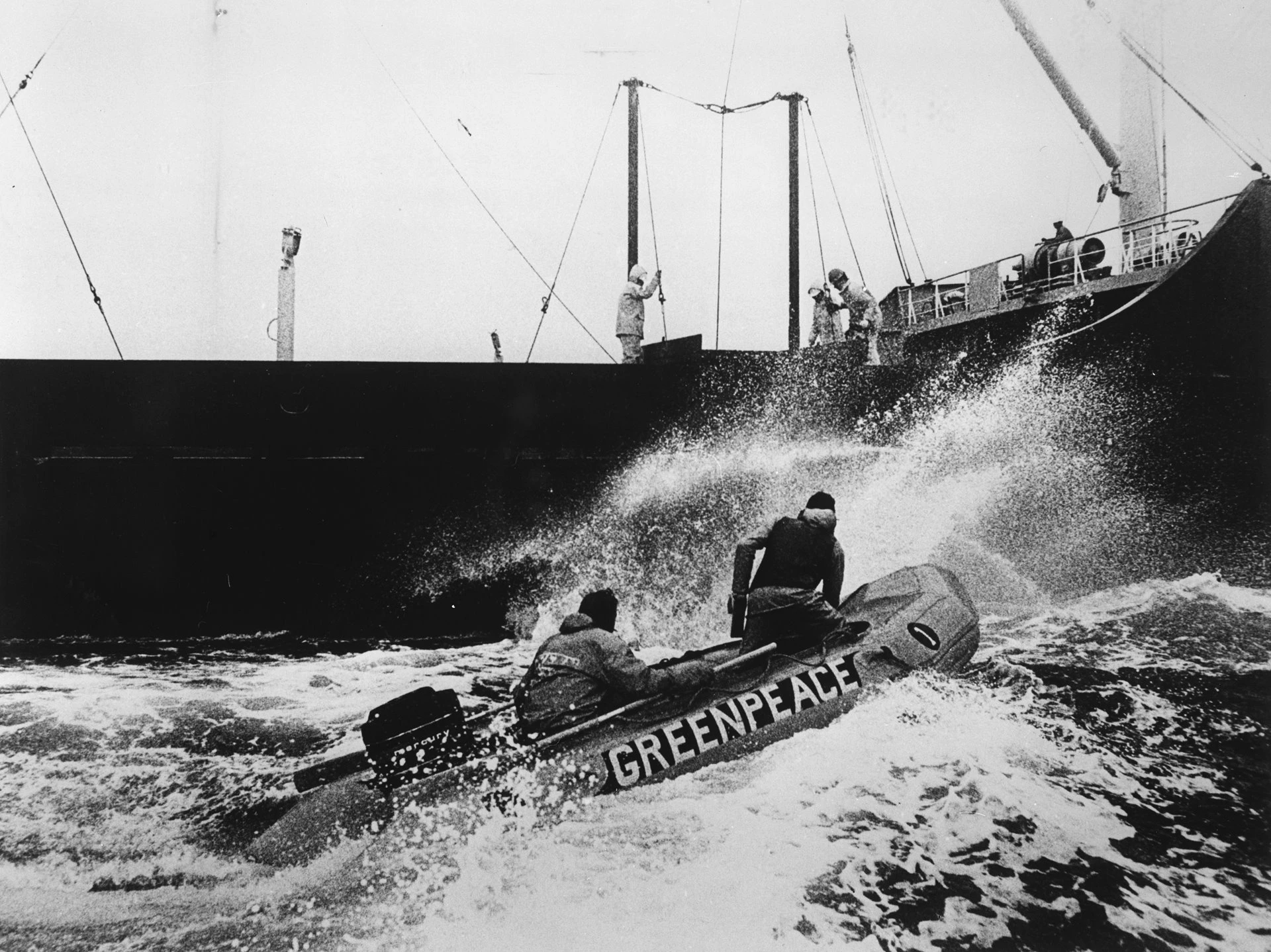
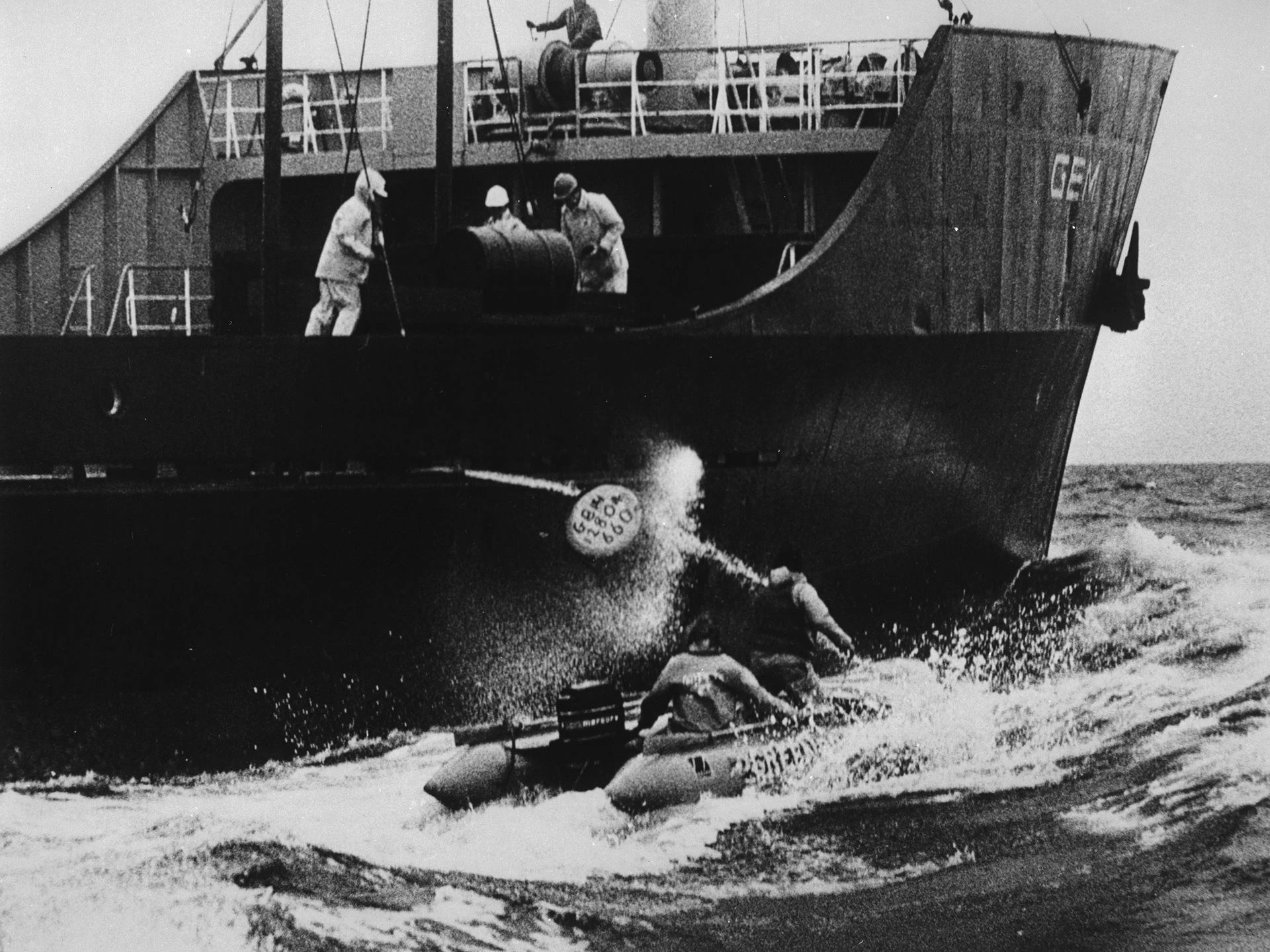
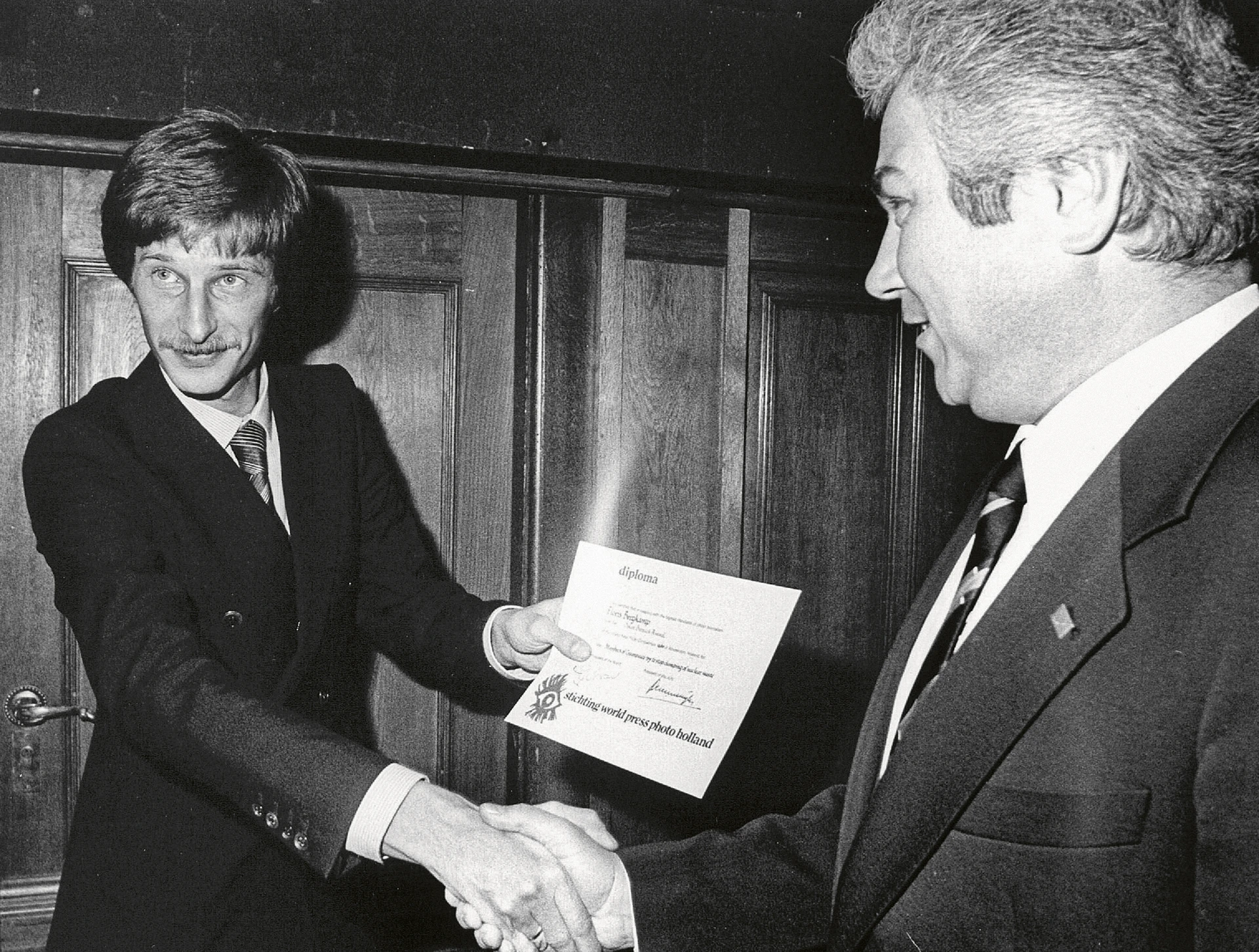
The first LOBA winner
The Dutchman Floris Bergkamp (left) receives the award as part of the World Press Photo Contest at the Tropenmuseum in Amsterdam on 2 April 1980.