Leica Summilux
Developed for Brighter Times
The Summilux represented a further landmark in expanding photographic versatility. Thanks to its high speed, the lens enabled photography in low-light settings without compromising image quality – while its shallower depth of field enhanced overall creative freedom.
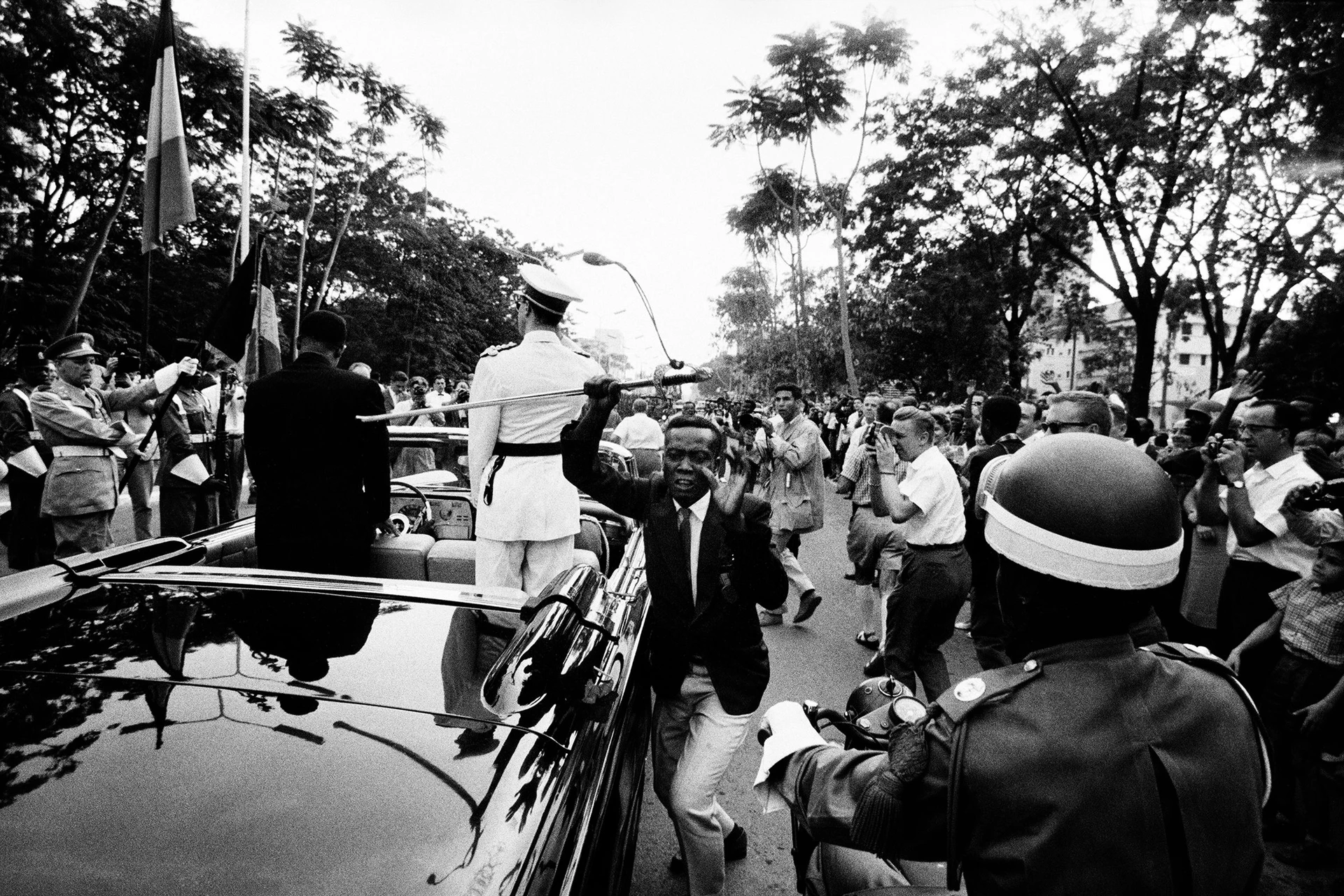
The Power of Spontaneity
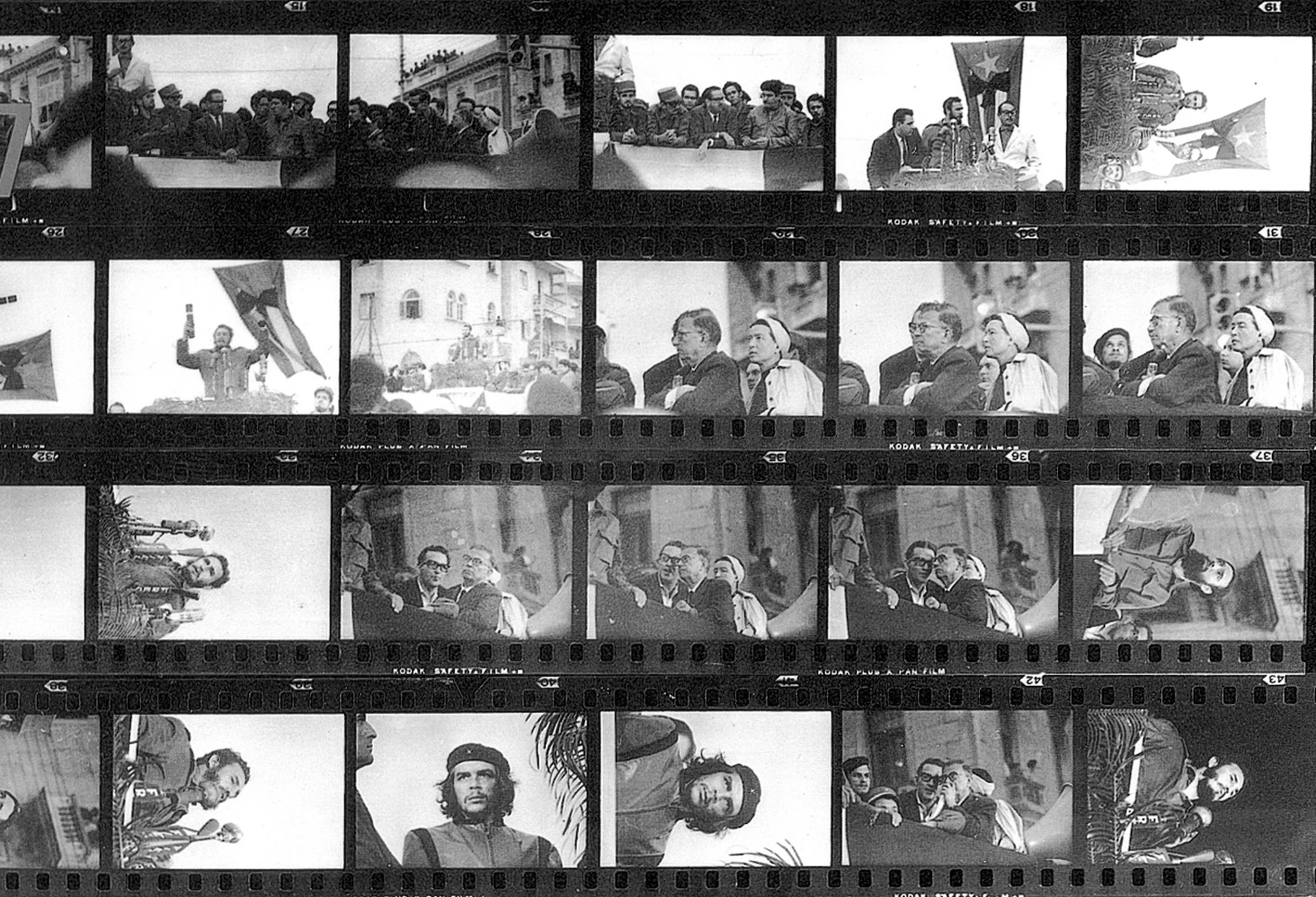
March 1960: the Cuban Alberto Korda attends a funeral rally in humid Havana. He holds his Leica firmly in his hand. He is there to photograph Fidel Castro and the gathered crowd. Just for a fleeting instant, Che Guevara enters the frame. His expression is serious, his gaze unwavering. Seen from Korda’s viewpoint, he seems to be positioned against a bare sky. In the heat of the moment, Korda presses the shutter release. Twice. That’s it. Castro returns to the stage. People applaud. Korda documents the scene.
Years later, this strikingly unplanned moment – this brief encounter – became one of the most iconic photographs in history. Following Che Guevara’s execution, it circulated globally like no other image and came to symbolise resistance and revolution. Captured instinctively by a lone photographer, it came to define the era that followed, as though created expressly for that role.

Looks That Last Forever
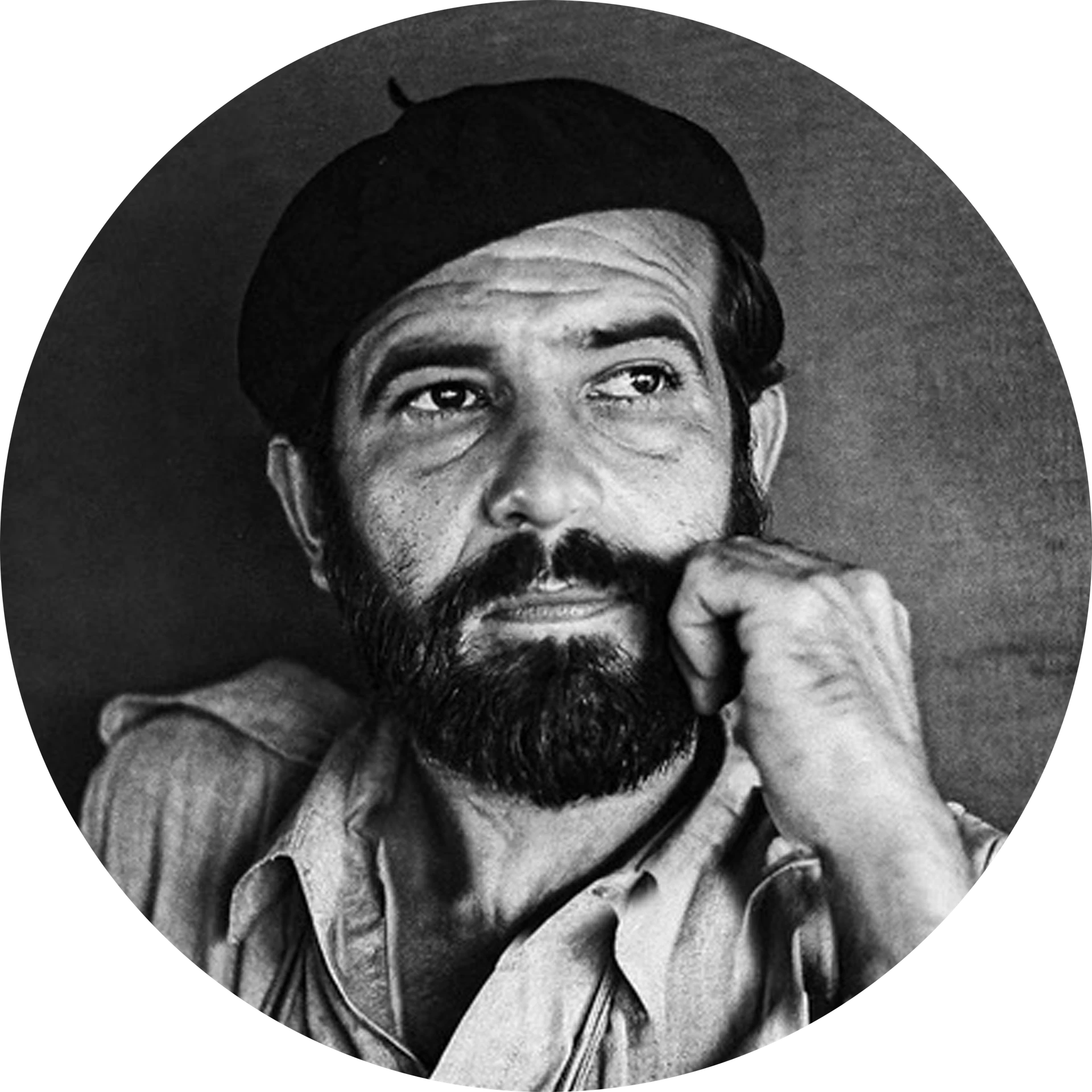
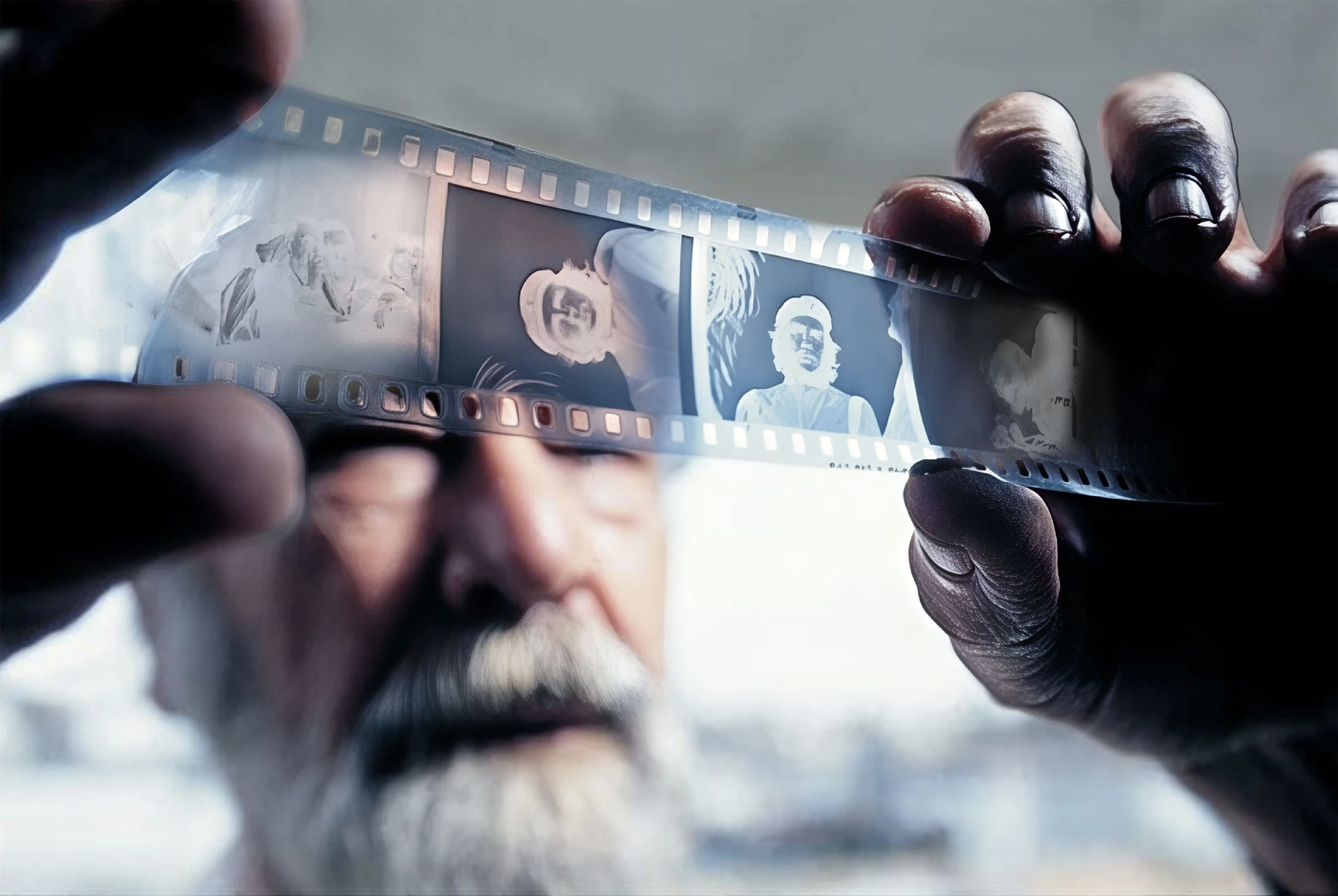
Here they cross paths once more: the spontaneous glance of one and the iconic, piercing gaze of the other. Though the fame of his subject eclipsed his own, Korda nonetheless emerged as a photographic role model in his own right. This chance photograph – later recognised as one of the world’s most iconic – came to stand as a lasting symbol of change.
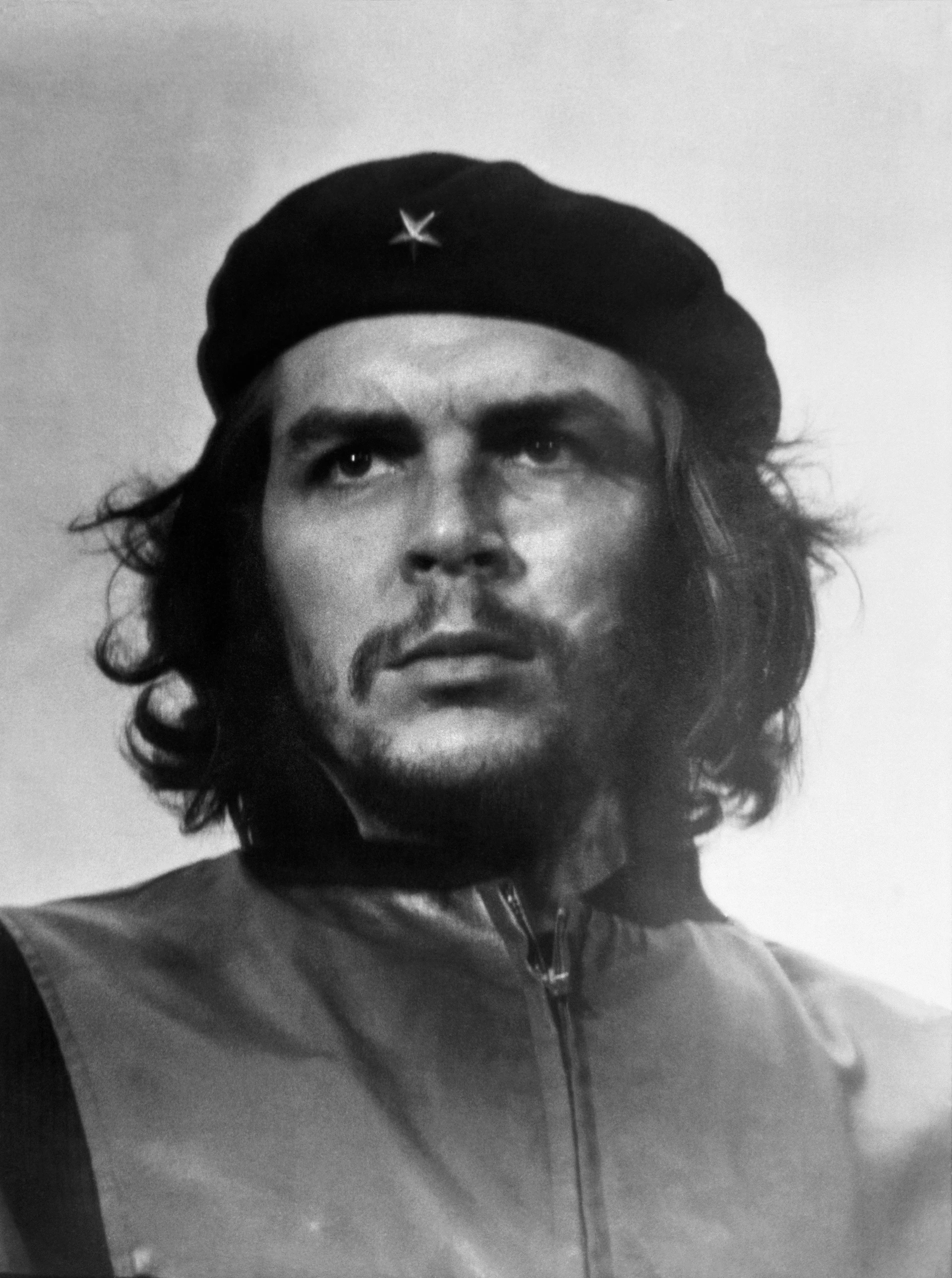

I remember it as if it were today … seeing him framed in the viewfinder, with that expression. I am still startled by the impact.– Alberto Korda