1954
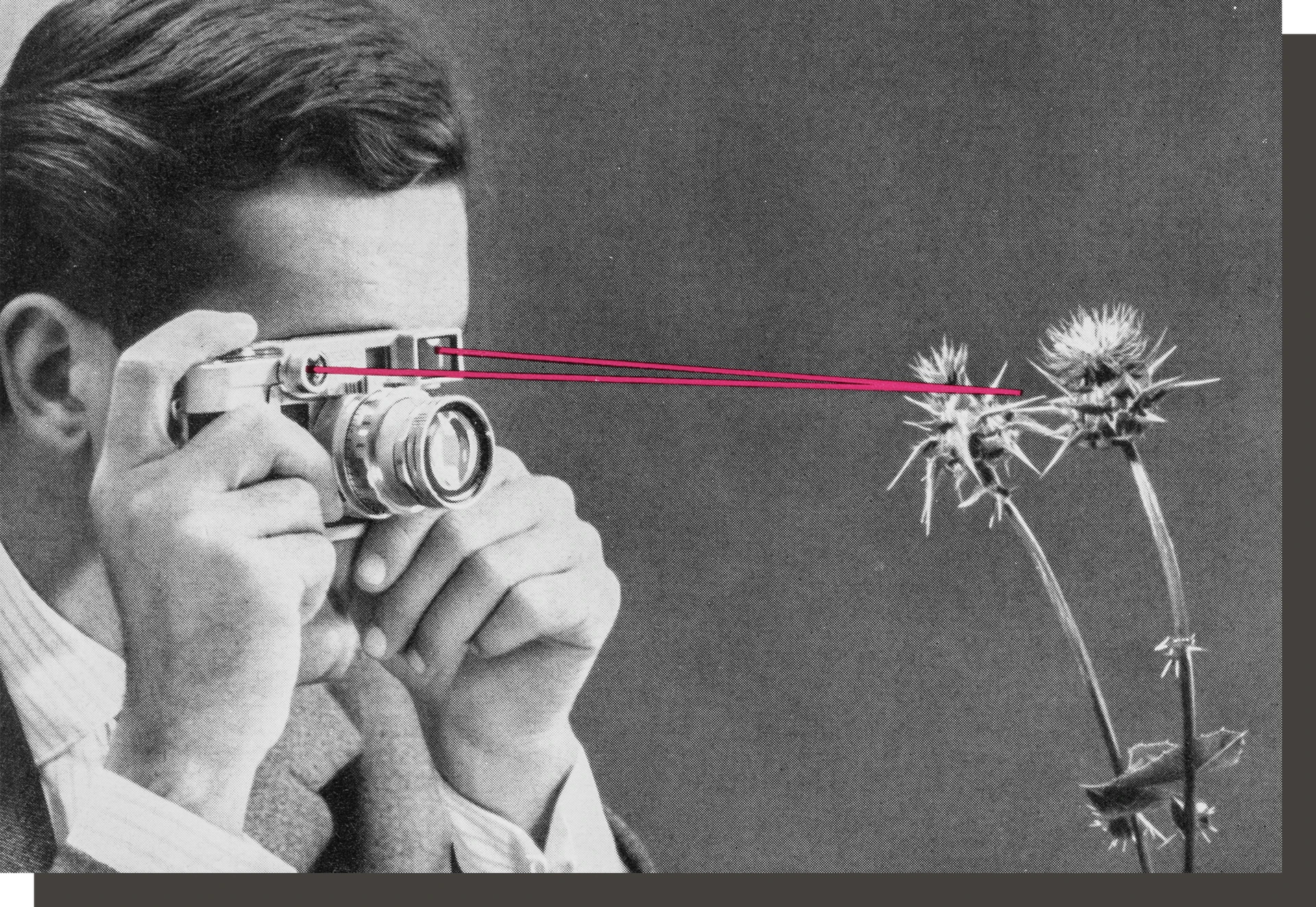
Leica M3
Seeing with Your Own Eyes Takes on New Meaning
1954 heralded a celebrated turning point in the realm of 35 mm photography. Despite post-war setbacks, the Leica M3’s rangefinder technology struck a chord with modern photography – making visual documentation more immediate, liberated and perceptive. It quietly transformed the visual vocabulary of reportage, street photography and photojournalism, forever reshaping the way we perceive humanity through the lens.
People
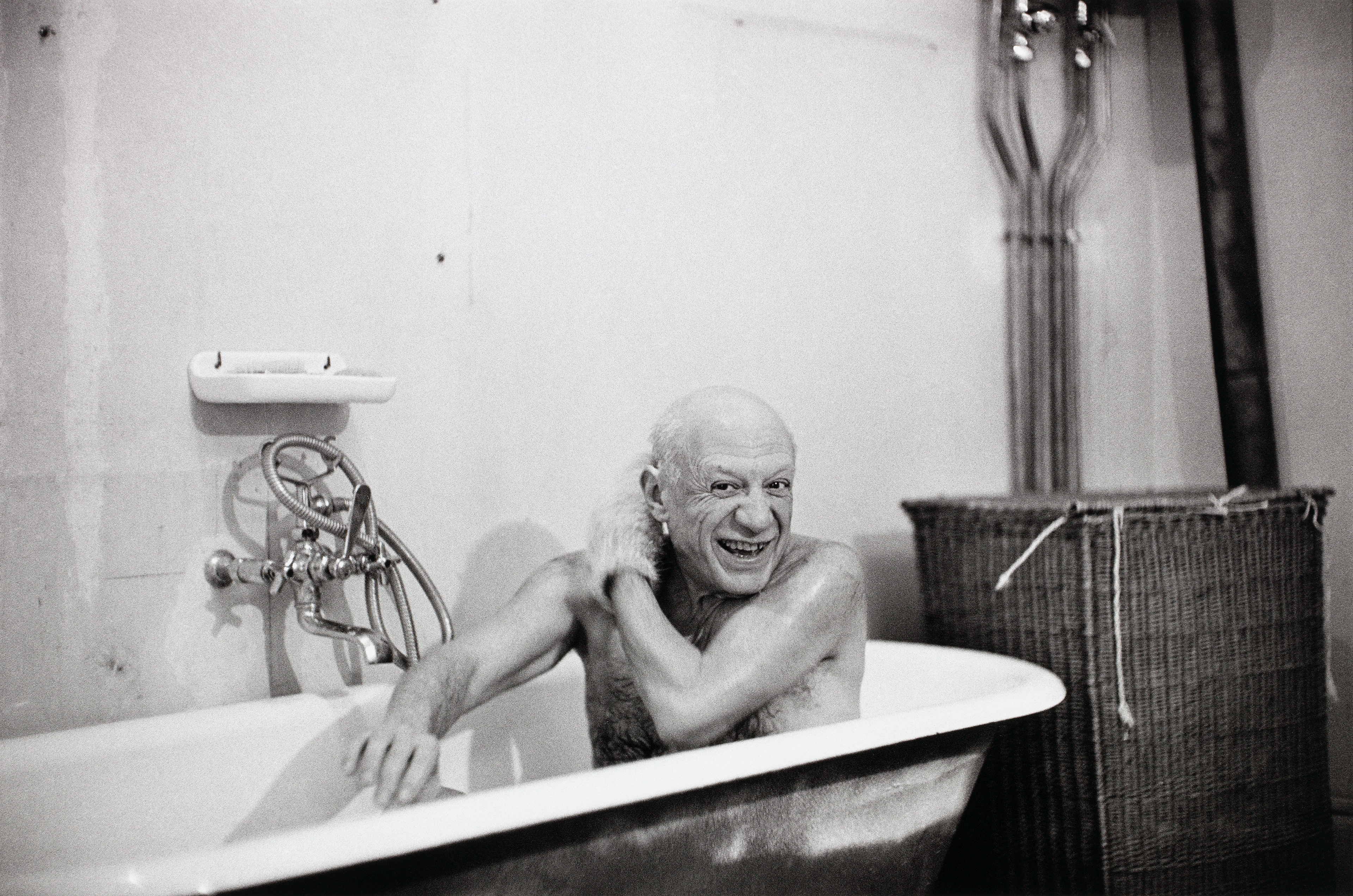
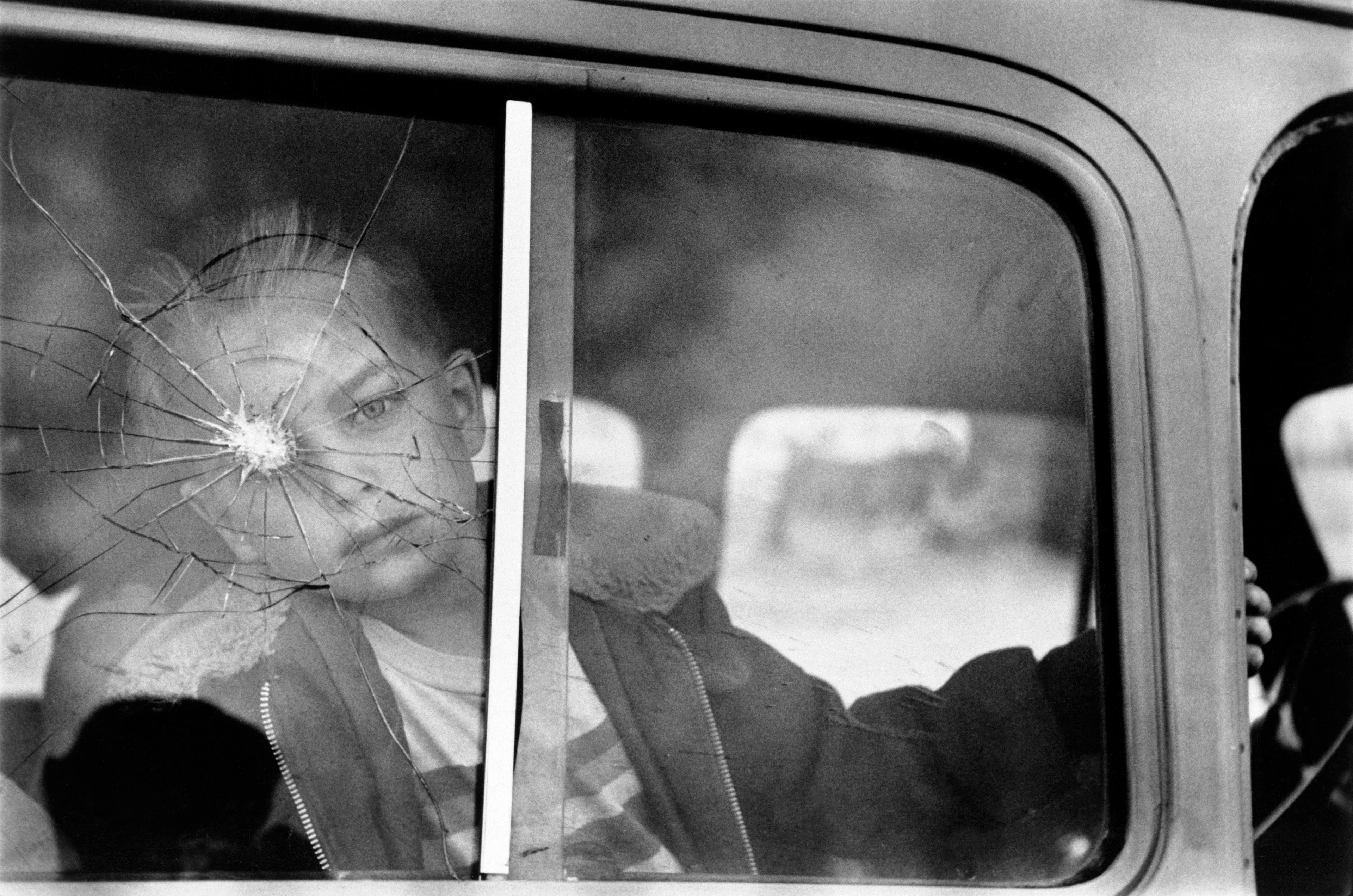
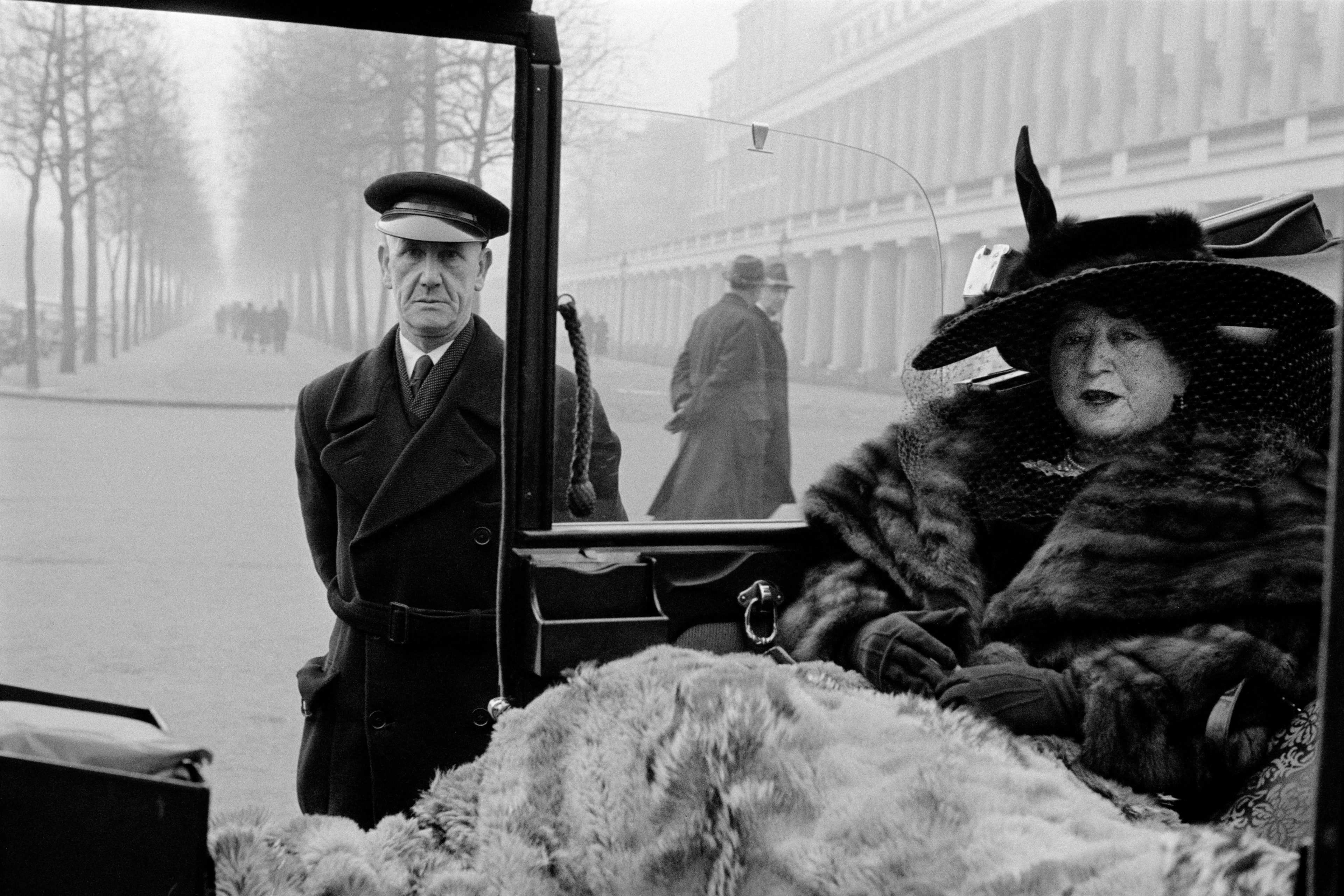
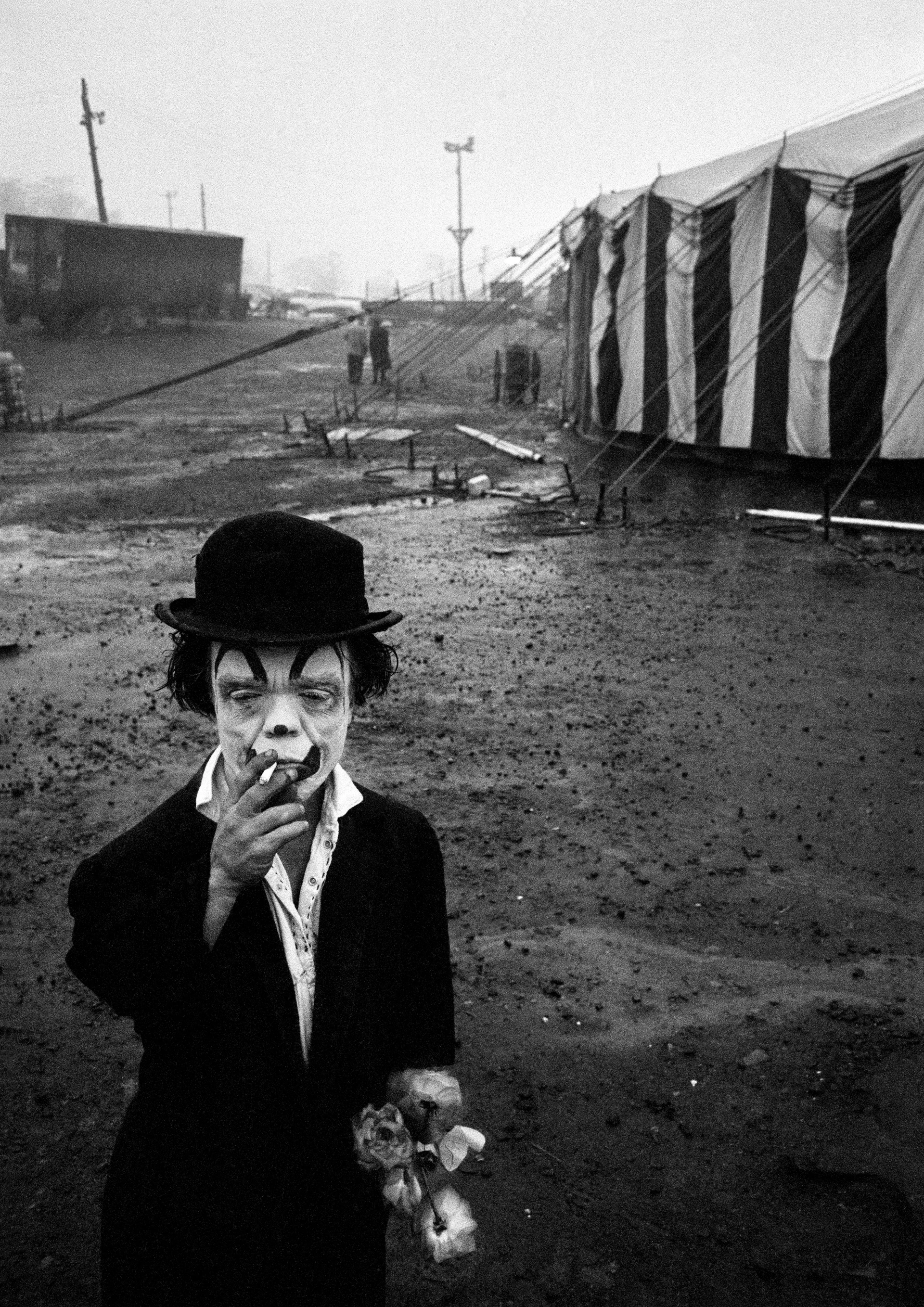
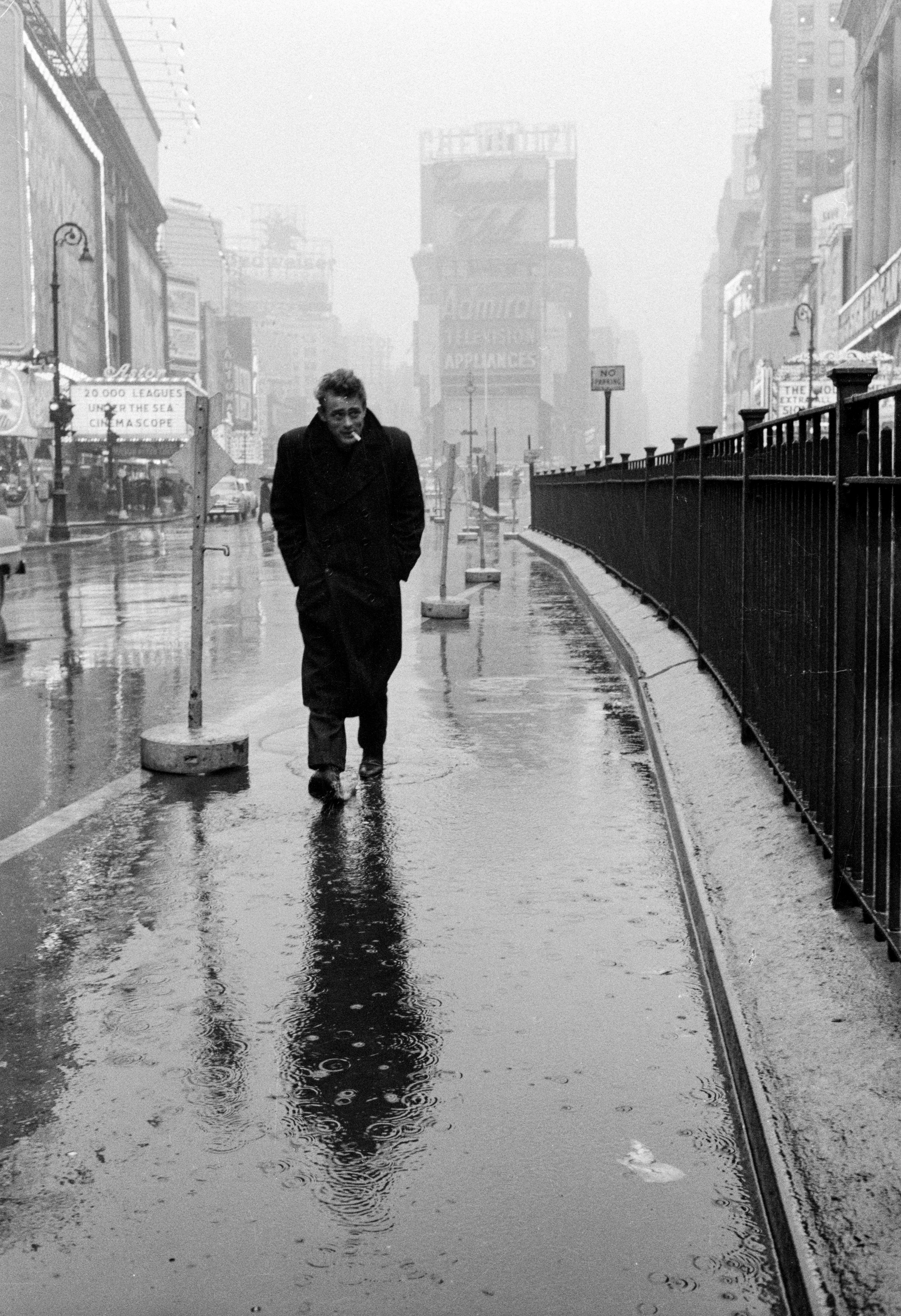
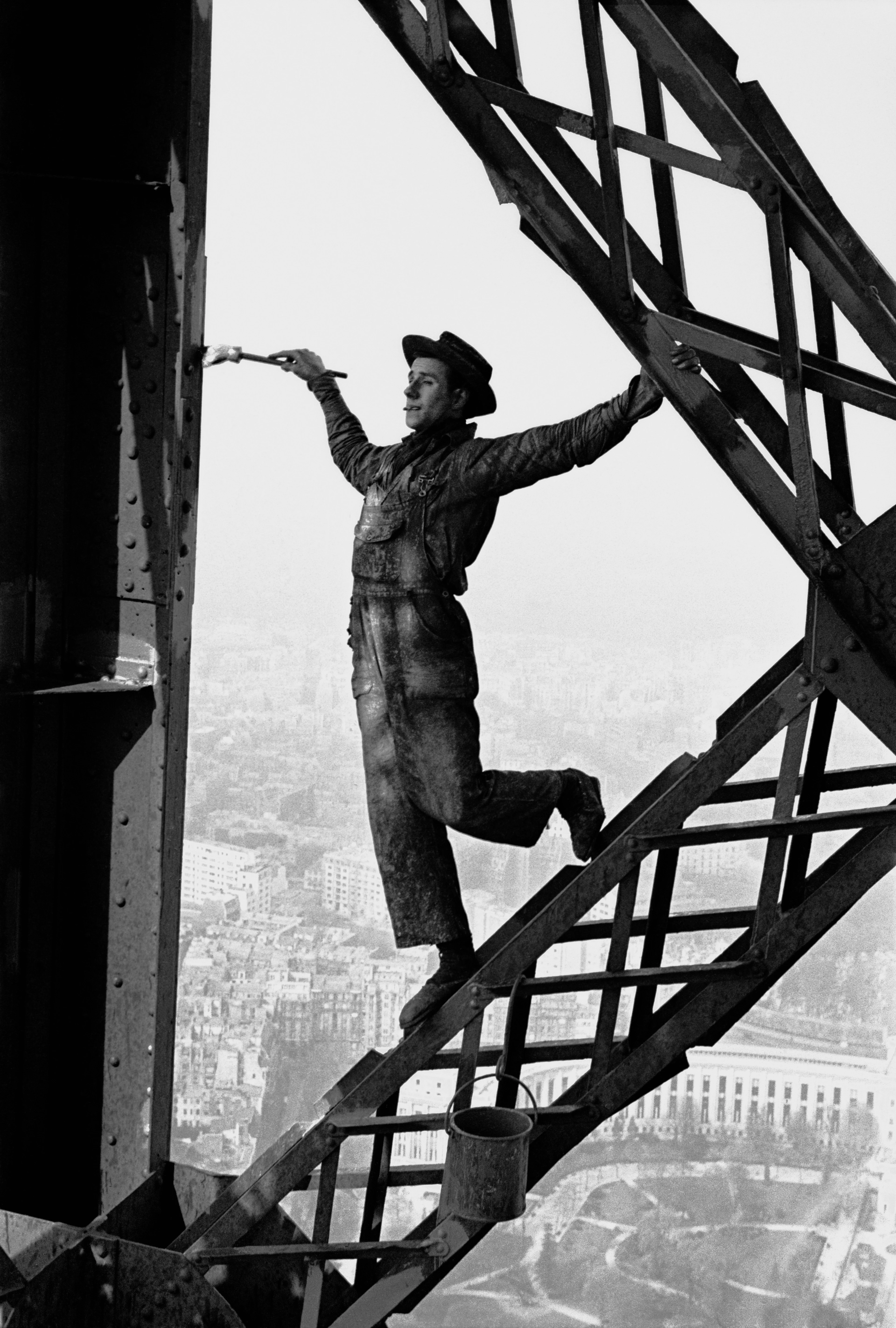
To me, photography is an art of observation. It’s about finding something interesting in an ordinary place.– Elliott Erwitt© Elliott Erwitt / Magnum Photos

Leica M2
Simply See More
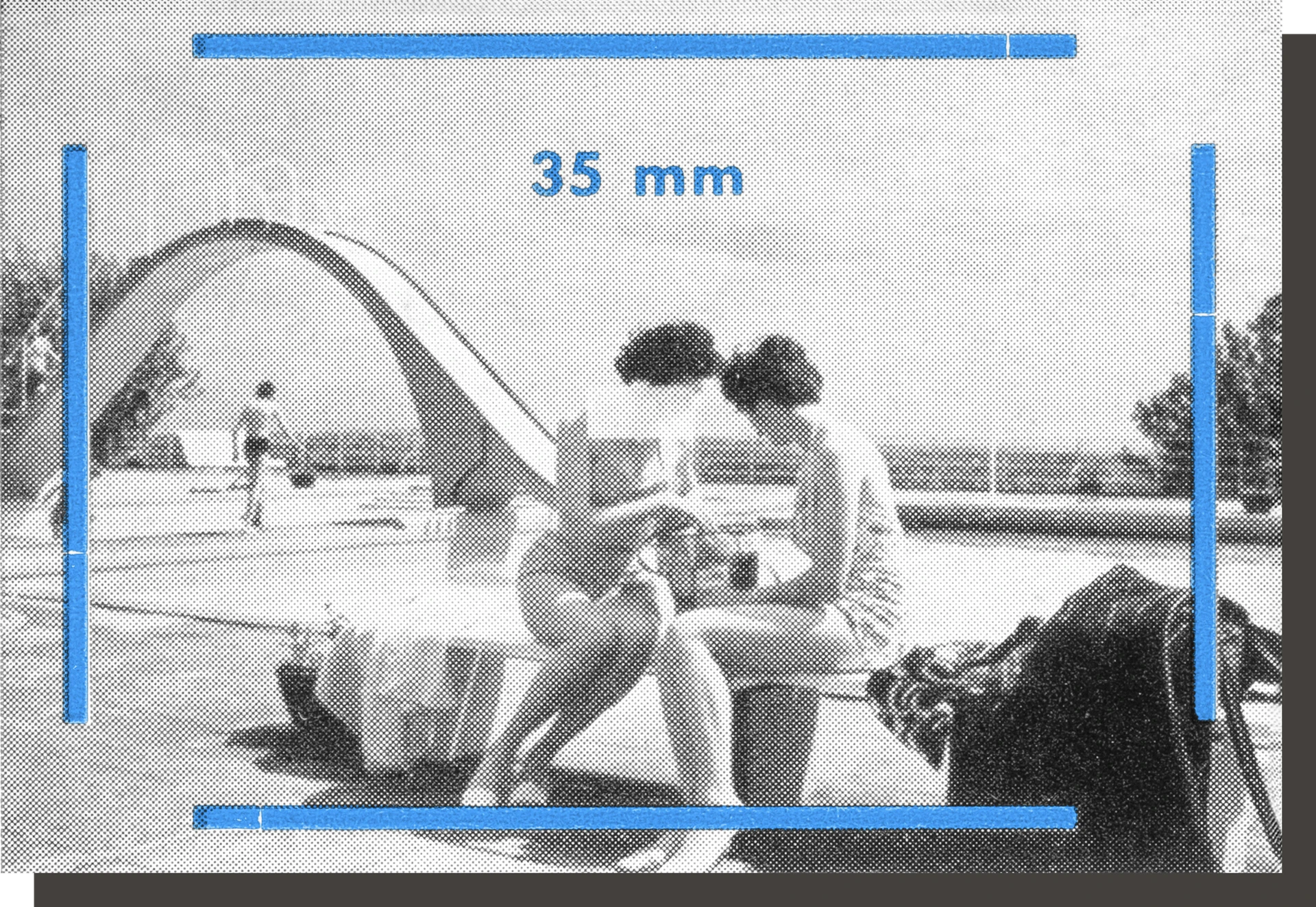
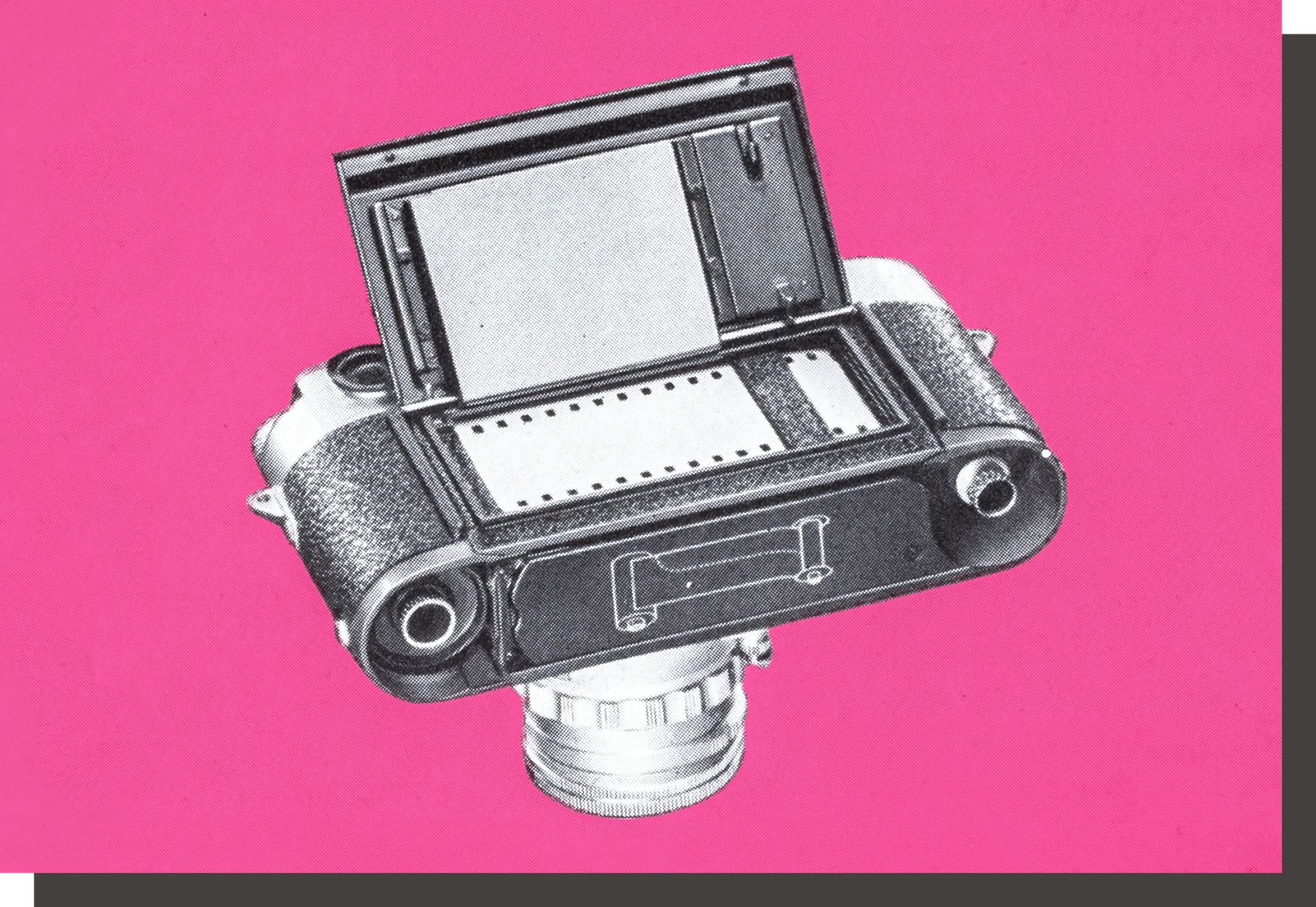
The Leica M2 was introduced in 1957, retaining the core qualities of the M3 – precision, reliable performance and perfect viewfinder quality. However, the streamlined design and reduced cost made it all the more accessible. It likewise proved itself as a respected tool for reportage, solidifying the M principle as a coherent system.


Go further