In the Regime’s Viewfinder
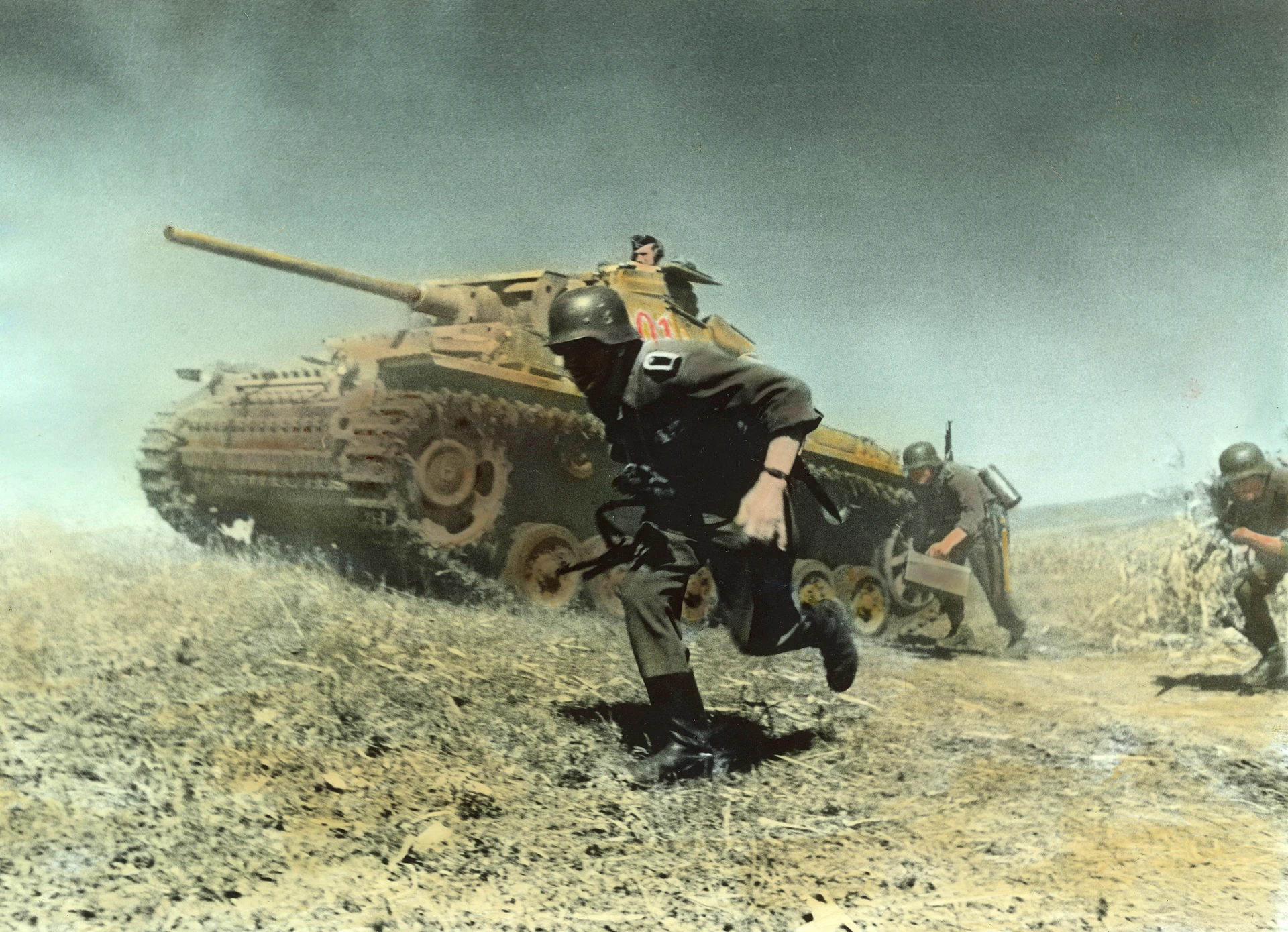
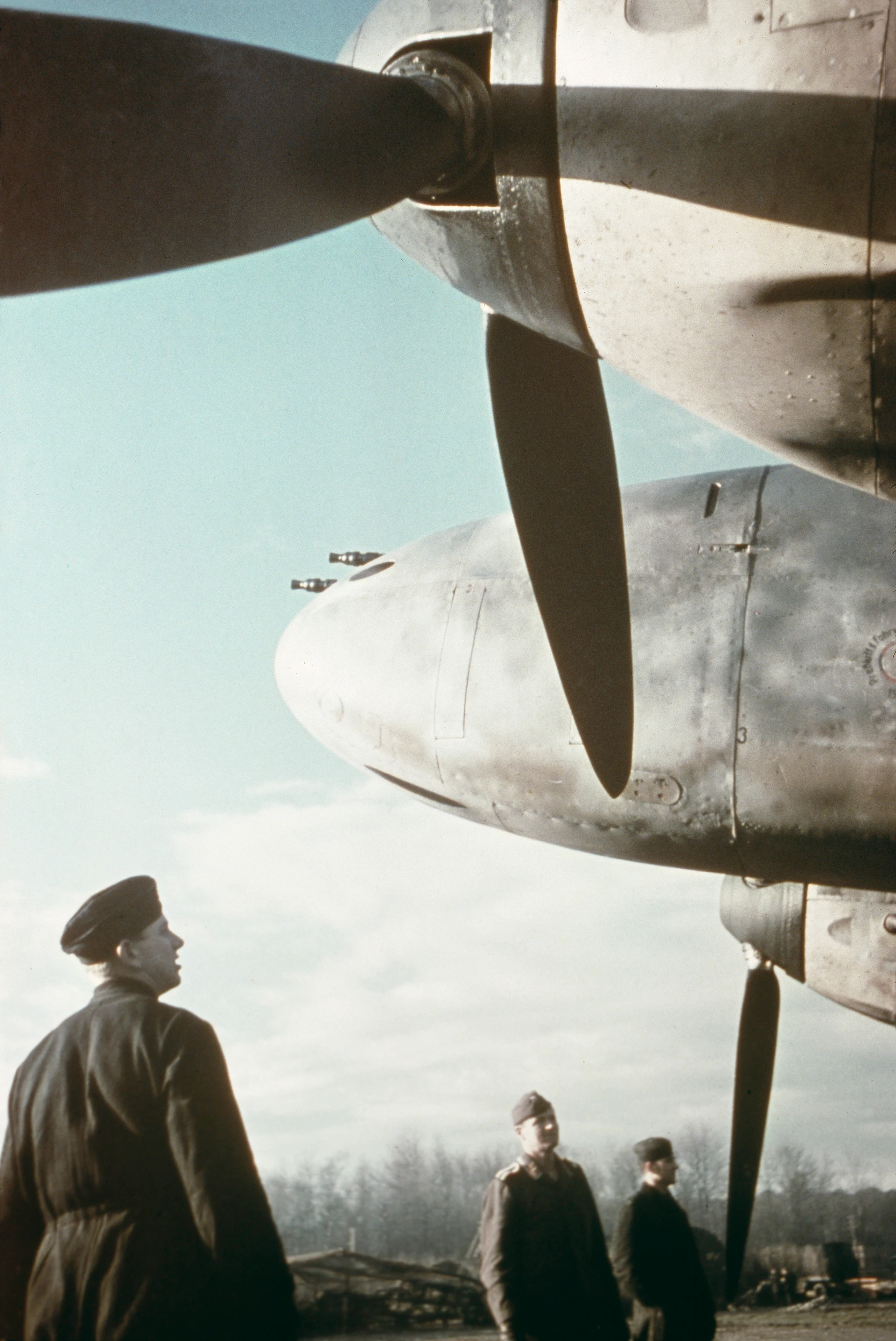
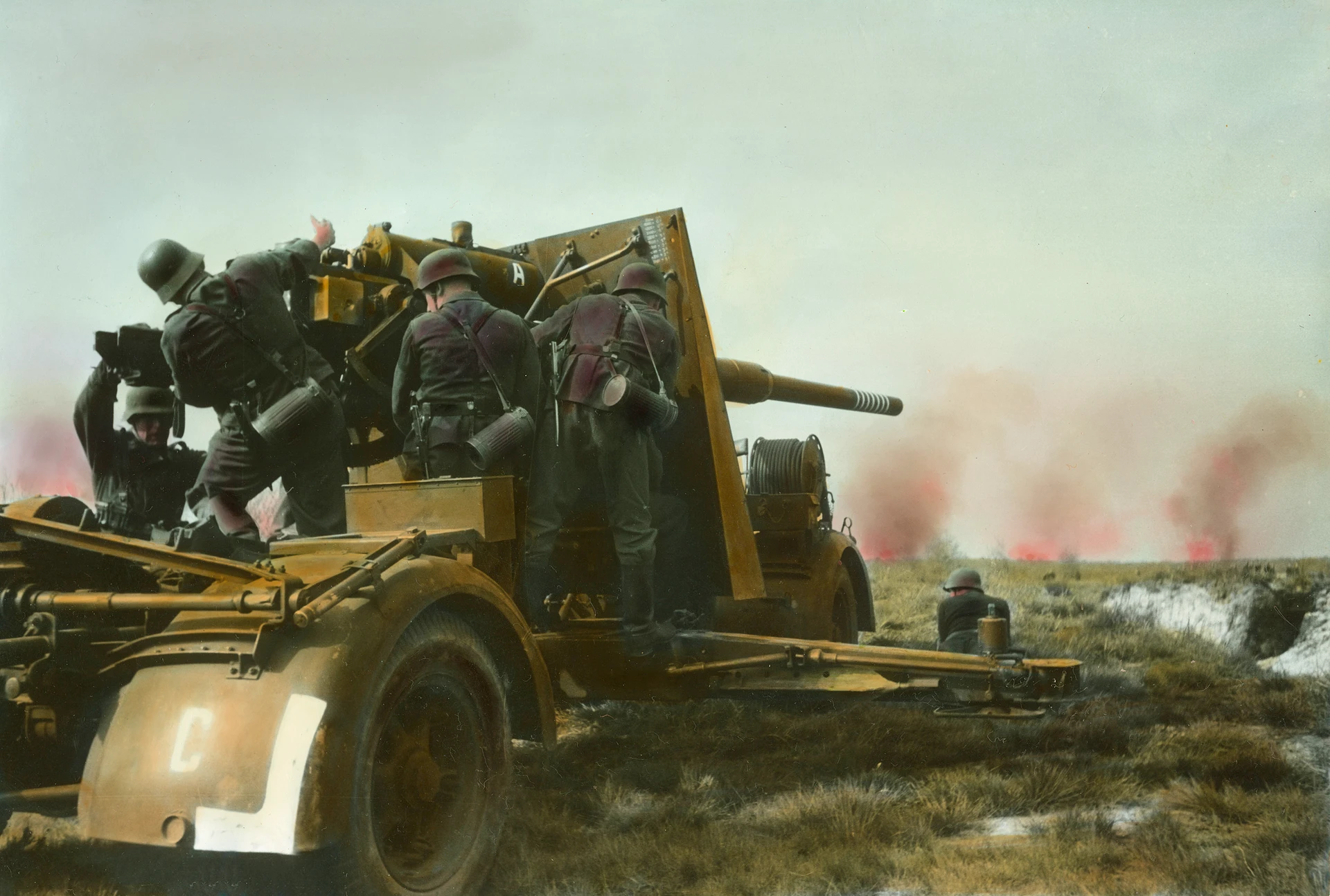
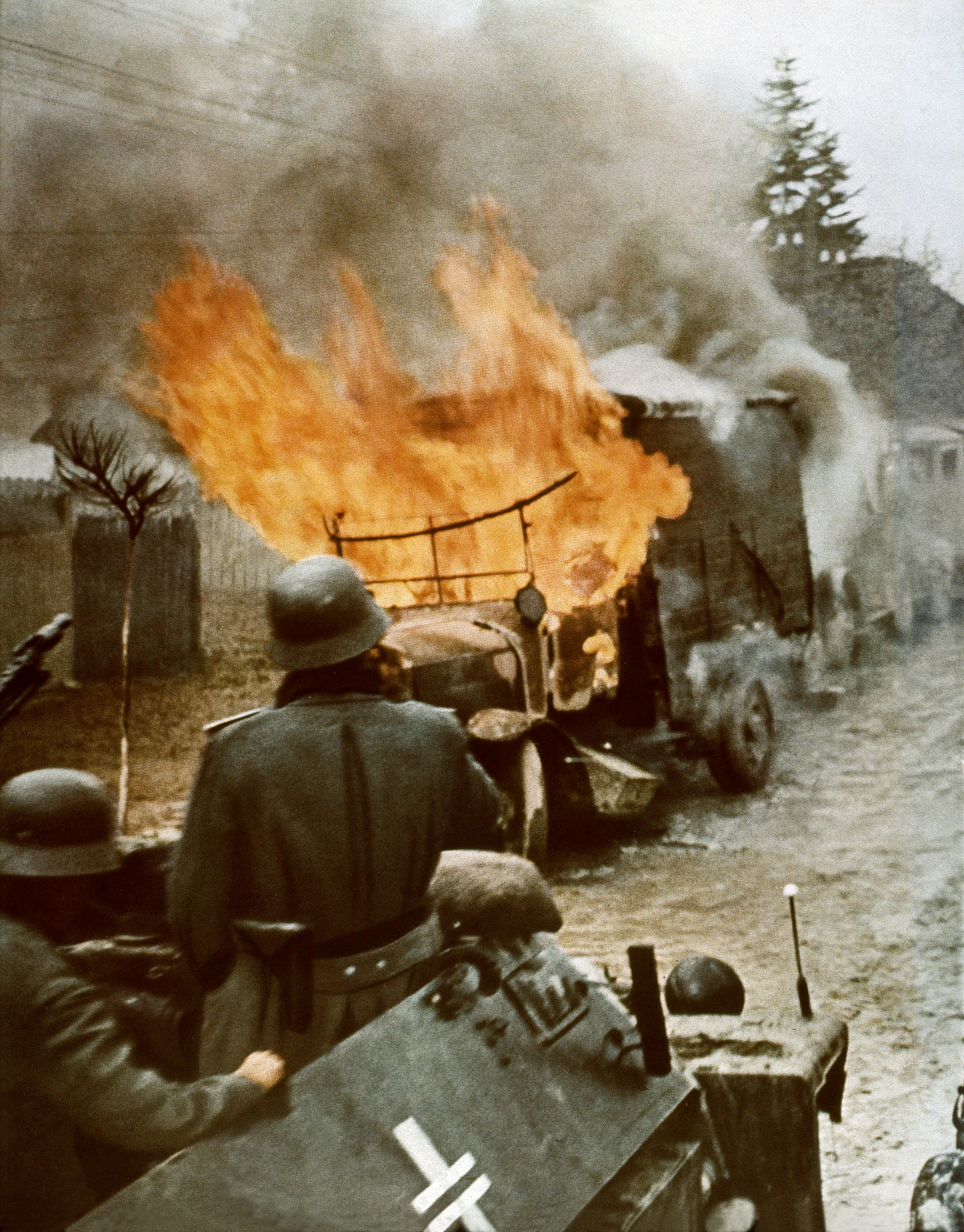
The outbreak of war signalled the demise of German photojournalism. Only approved photojournalists were permitted under the totalitarian regime, and were assigned roles akin to soldiers within propaganda units. They provided the public with visual content related to the war. The Leica IIIc, in particular, embodies the visual language of a deceitful media strategy aimed at portraying superior strength, frontline action and an unwavering will to win. Goebbels even described the precise and portable Leica as a “weapon” in the ideological battle.
“Eyes of Hate”
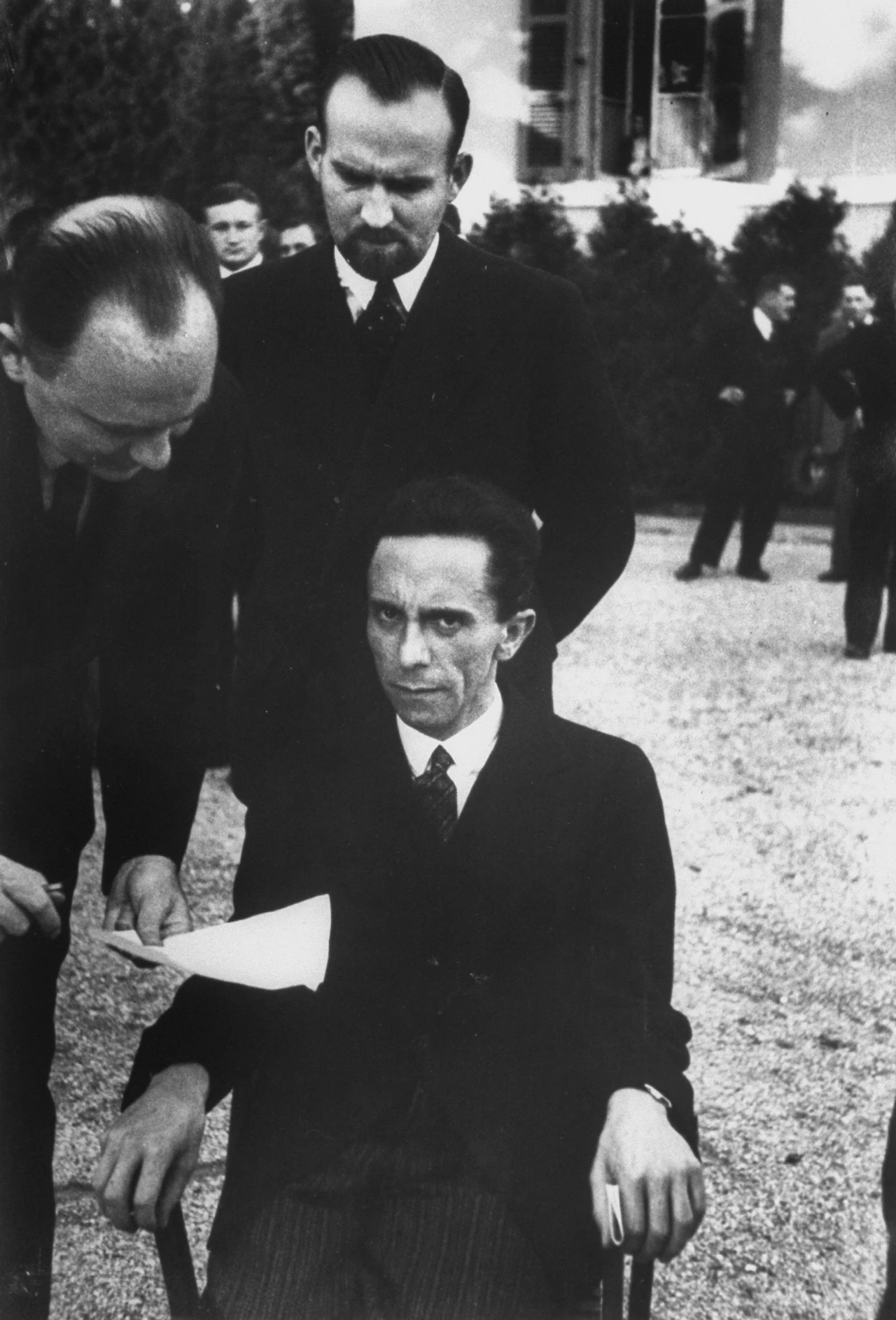
Alfred Eisenstaedt was commissioned by Life to take photographs of Joseph Goebbels in Geneva as early as 1933. The Reich Minister for Popular Enlightenment and Propaganda, newly appointed that year, smiles briefly to the side before directing his gaze towards the Jewish photographer Eisenstaedt. Goebbels’ expression darkens abruptly. Click. Caught. The picture exposes the ugly grimace of power – and hints at the deep hatred he would unleash upon the world.
If I have a camera in my hand, I don’t know fear.– Alfred Eisenstaedt© Alfred Eisenstaedt / The LIFE Picture Collection / Shutterstock
Every Ray of Light Disturbs the Darkness
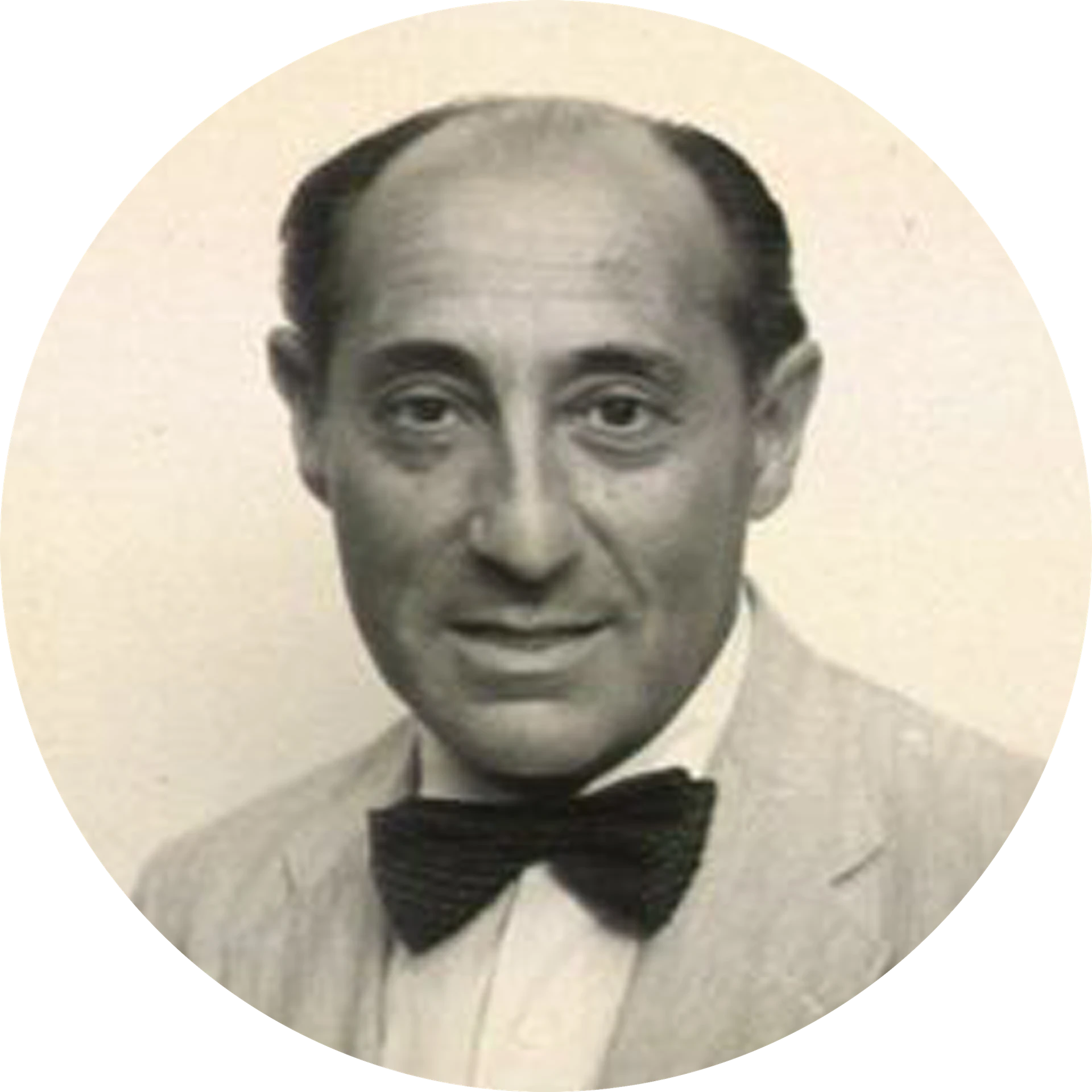
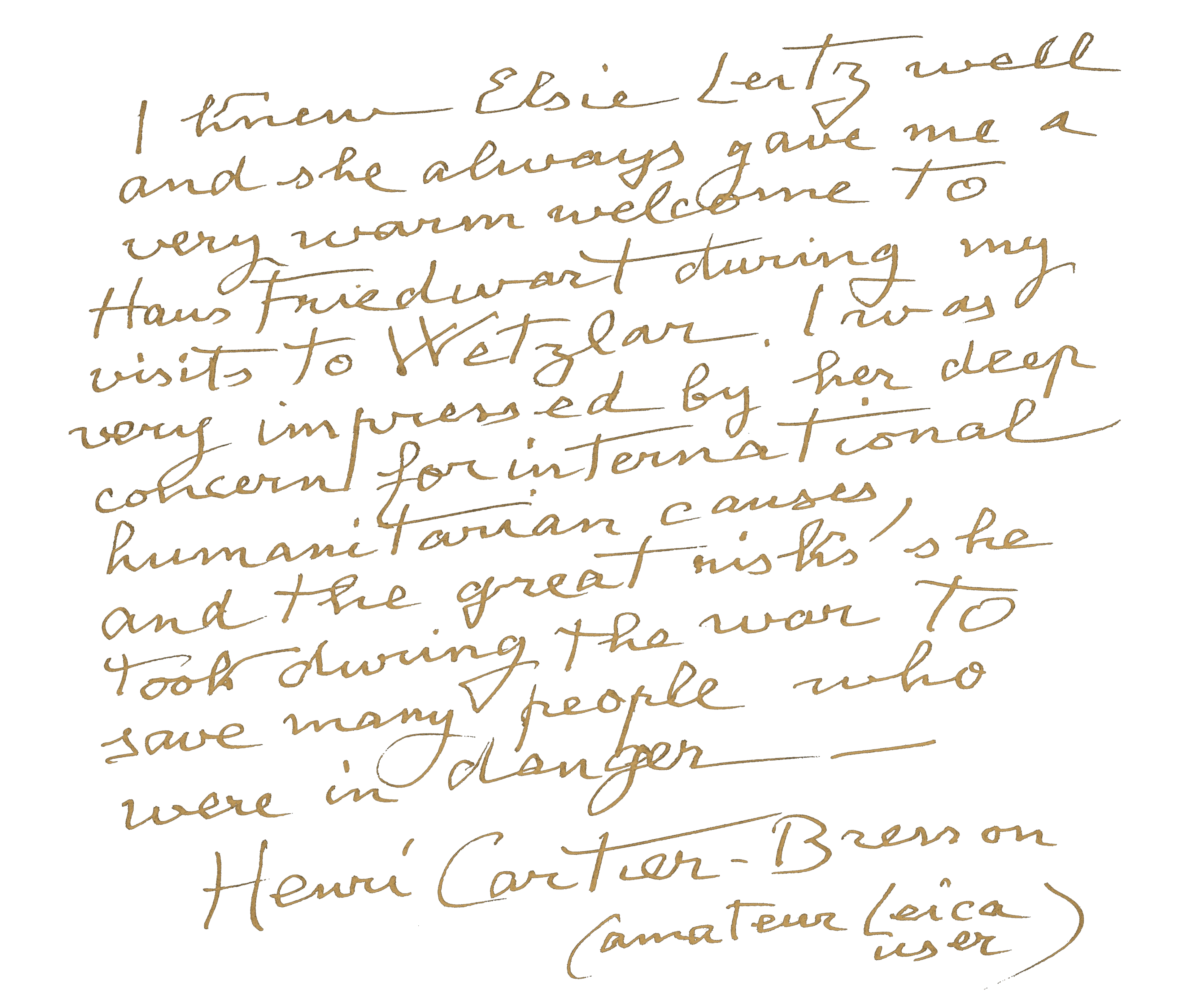
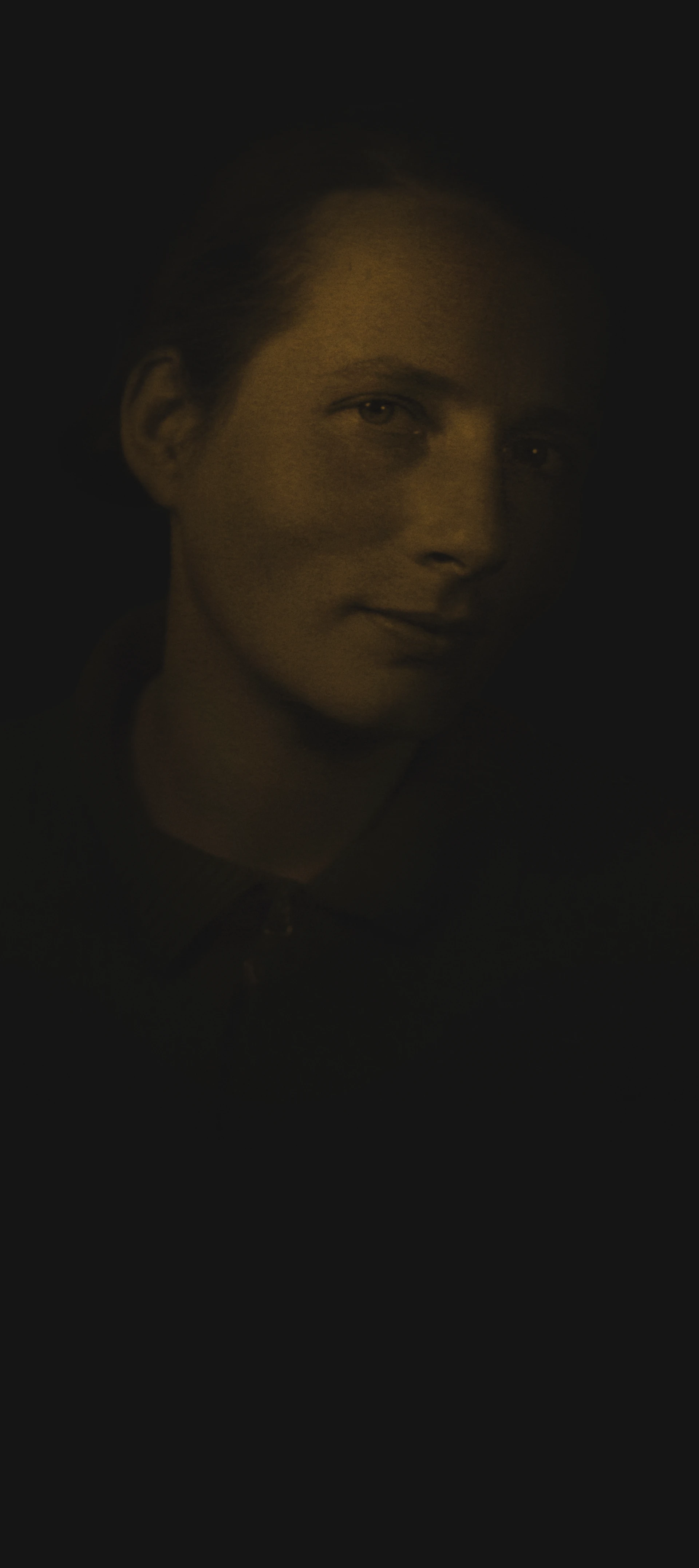
Elsie Kühn-Leitz was like her father: she also helped her fellow human beings who were under the threat of persecution well into the war. Being caught by the Nazis at any time could have meant losing her freedom, that of her family – and with it, the future of the company. This was a calculated risk that swiftly escalated into a genuine threat. When the “half-Jewish” Hedwig Palm was caught crossing the border into Switzerland, the Gestapo’s relentless search for traitors soon leads them to Elsie and her father.
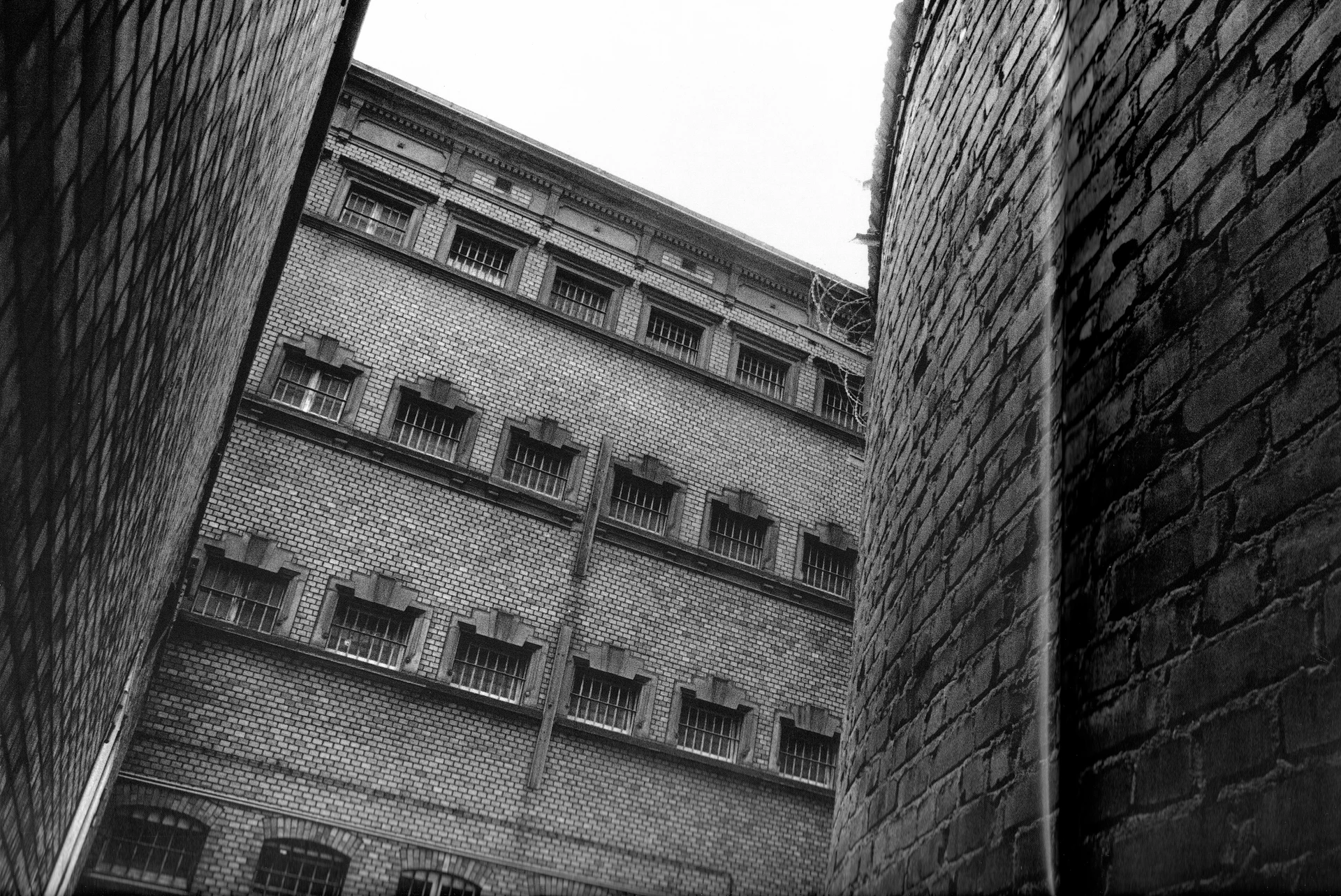
However, Ernst Leitz II was released after hours of interrogation and the company “only” came under strict surveillance. This is because Elsie took sole responsibility for the escape. She was then sent to the Frankfurt Gestapo prison and imprisoned under life-threatening circumstances. Fortunately, after three desperate months, her father managed to free Elsie. According to reports, this was due to a bribe that amounted to millions.
The Leitz Factories under the Shadow of War
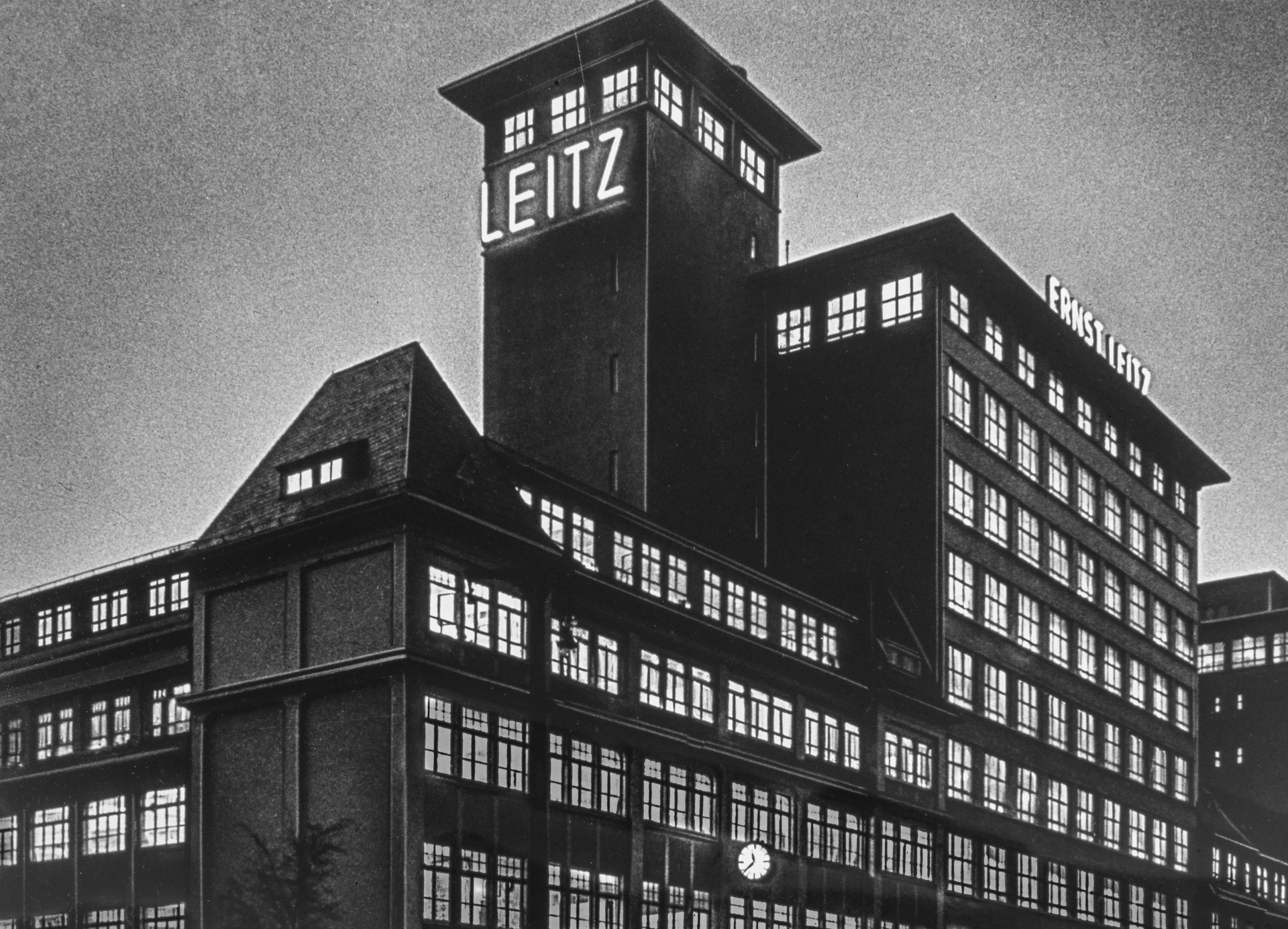
The Nazi regime restructured German industry to serve the demands of the war economy. Production at Leitz was likewise compelled to focus exclusively on military optics. In 1942, Ernst Leitz II found himself forced to join the NSDAP, driven by the necessity to safeguard the future of the company. Meanwhile, those serving on the front were supplanted by deported workers forced into labour. Contrary to the will of the Nazi regime, the Leitz family extended the best possible treatment to these employees, which subsequently resulted in a reprimand from the party.