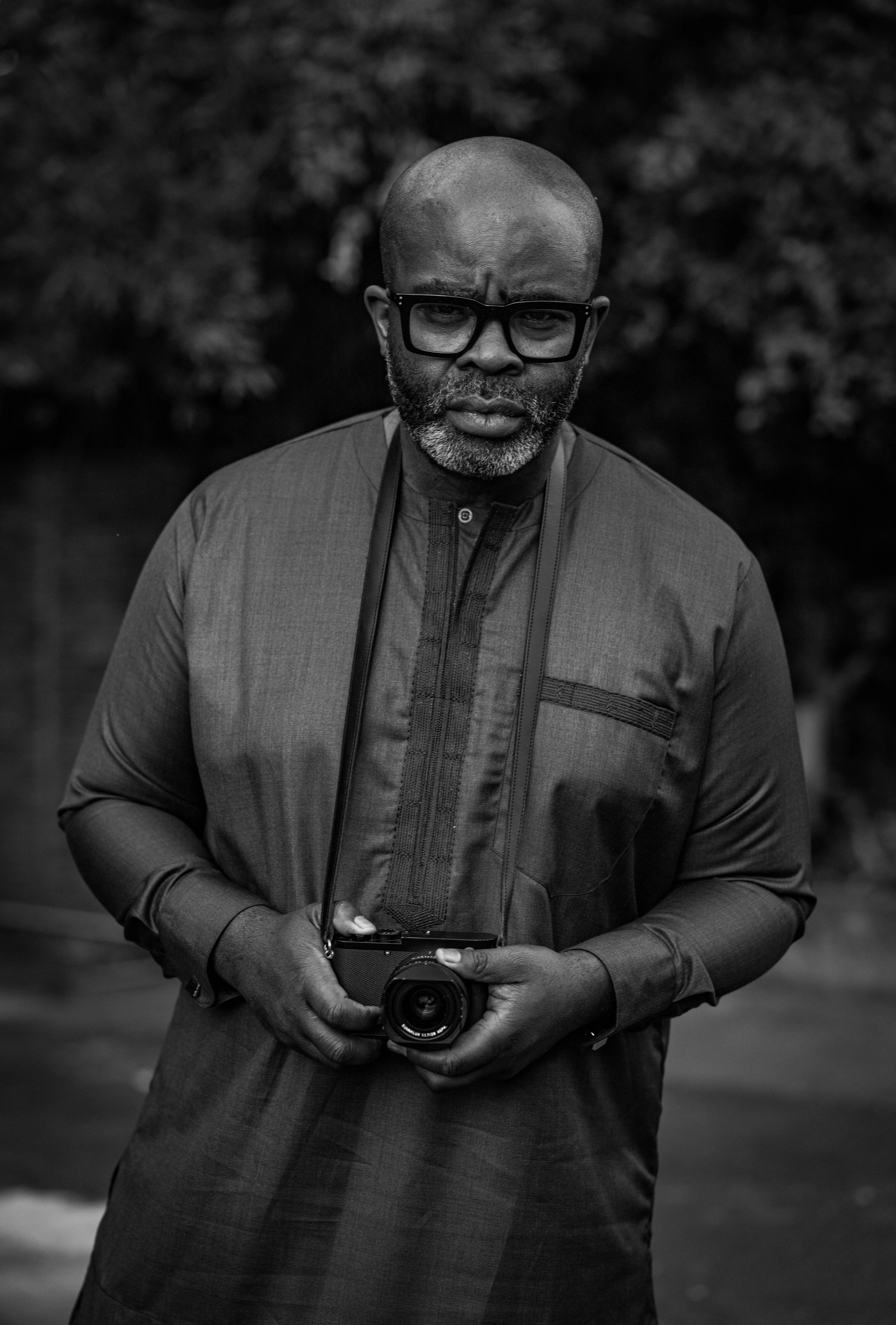
We came out, all colors, all races, and we said: ‘We can do better.’– Misan Harriman
The World Can’t Breathe
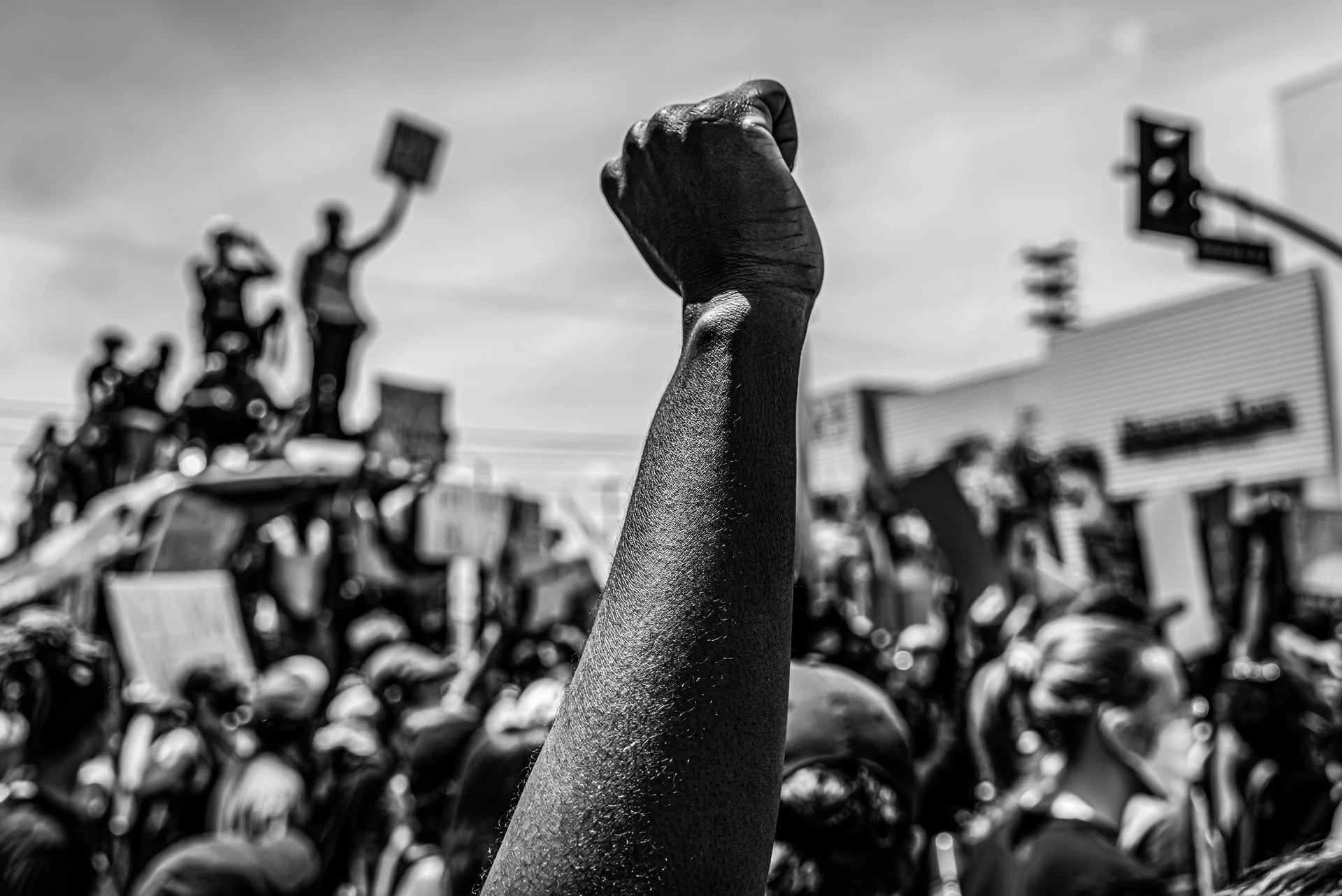
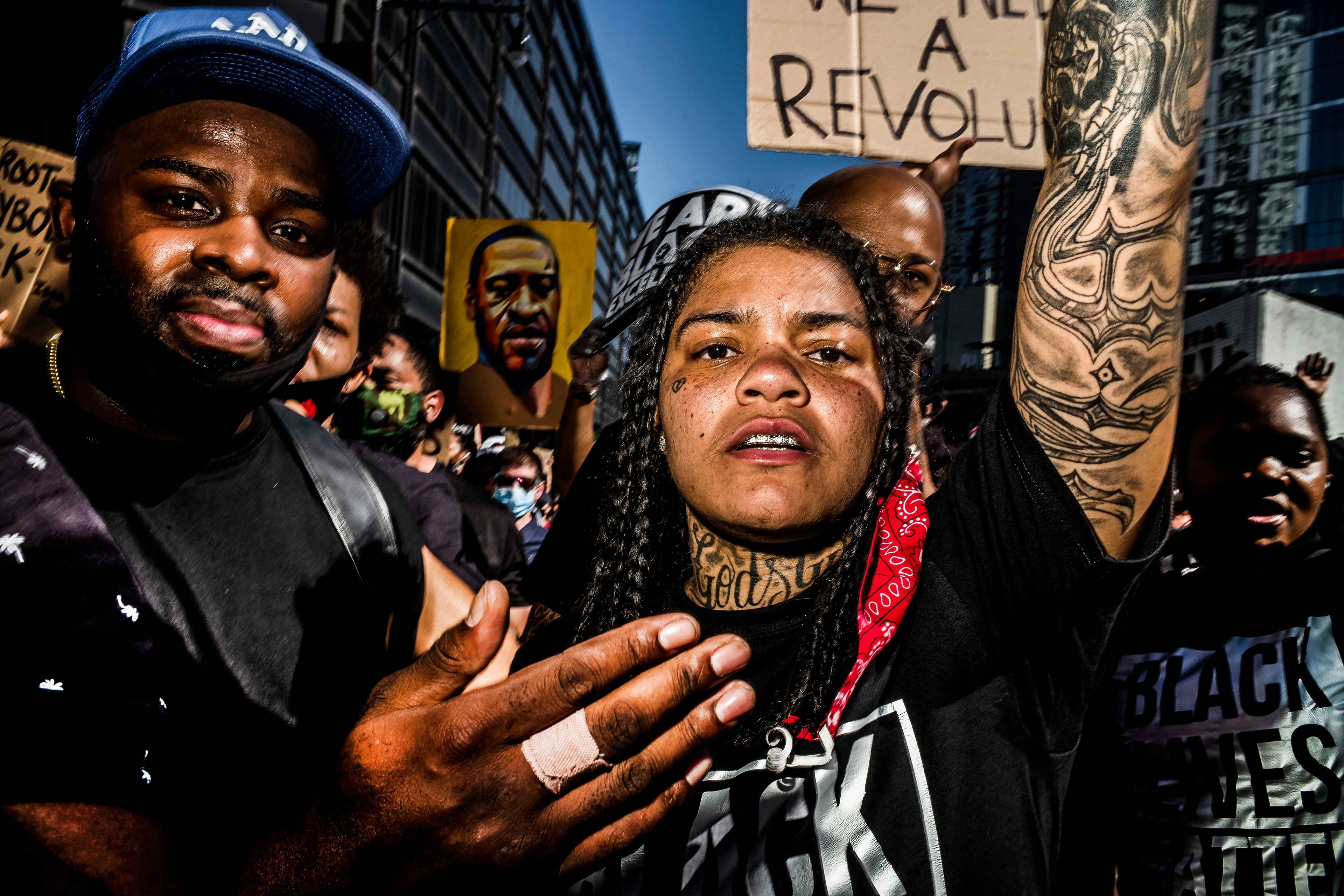
Footage of George Floyd’s arrest, during which he died at the hands of police, races across social networks in minutes. Before the press can react and before any political response can be made, people are outraged, incredulous, and angry in the streets. First in Minneapolis, then all over the US. The protestors include Black Lives Matter. This movement has existed for a long time, but the current images mark a tipping point where silence is no longer an option for many people, and the world is uniting under its banner.
Black in Large Format
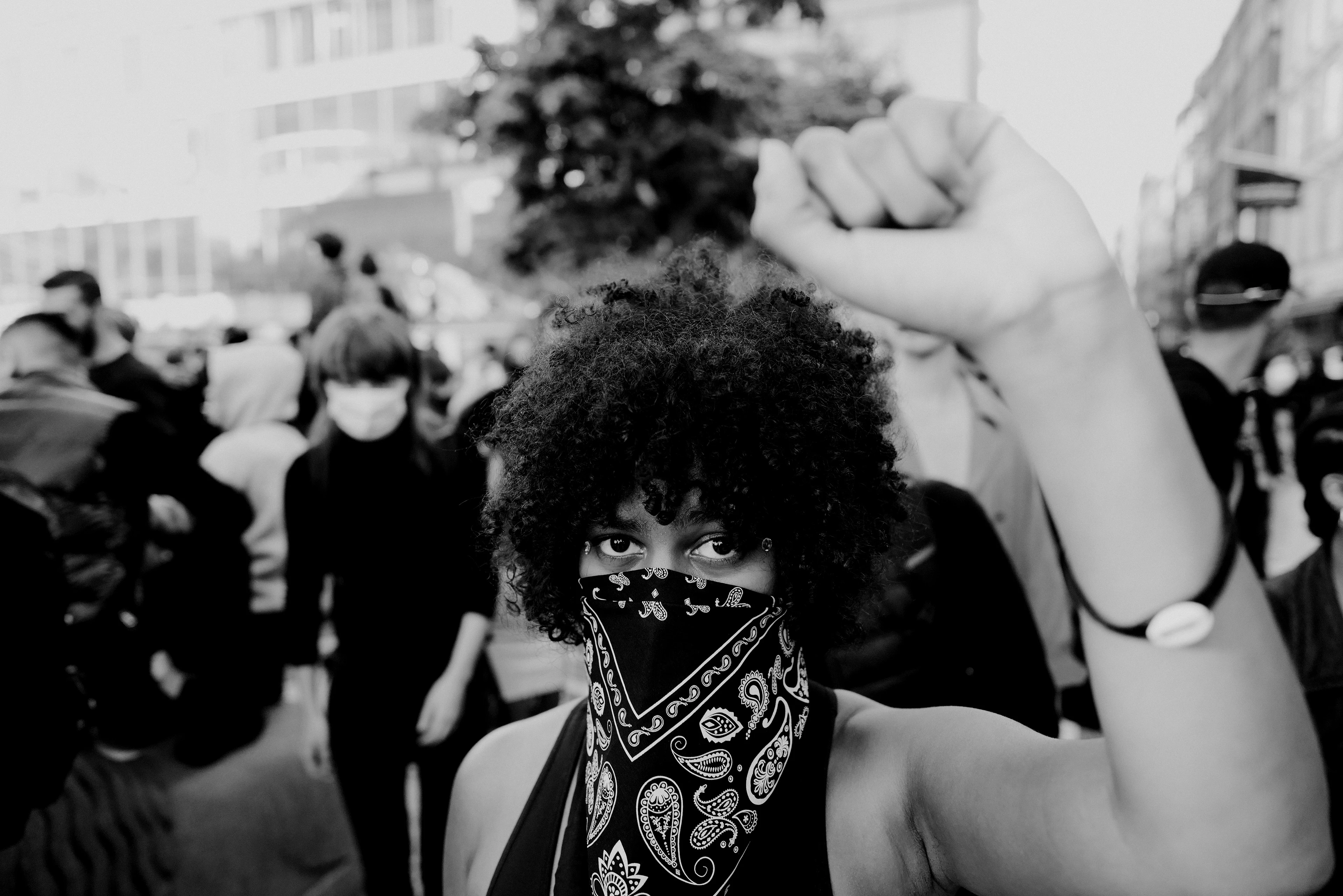
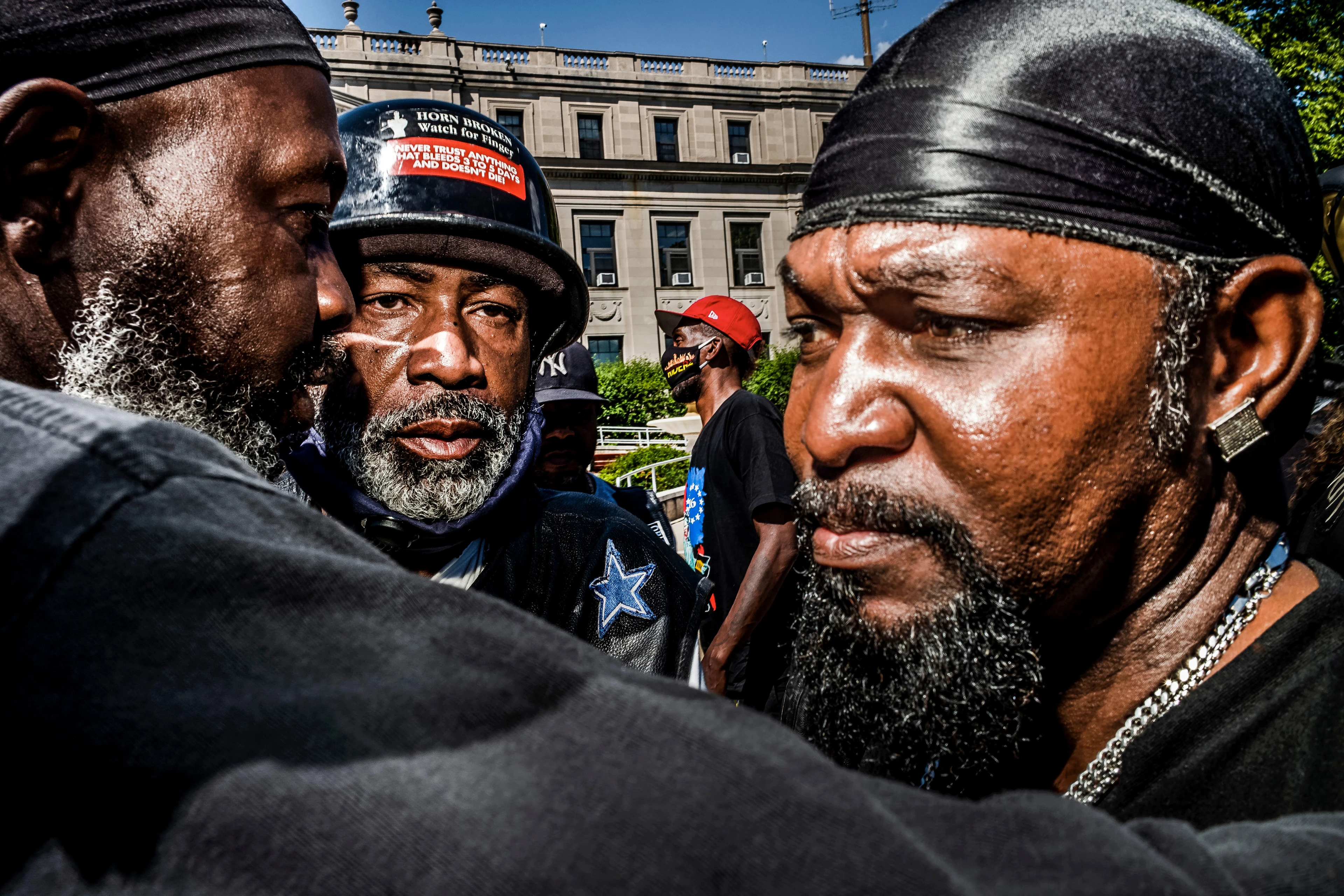
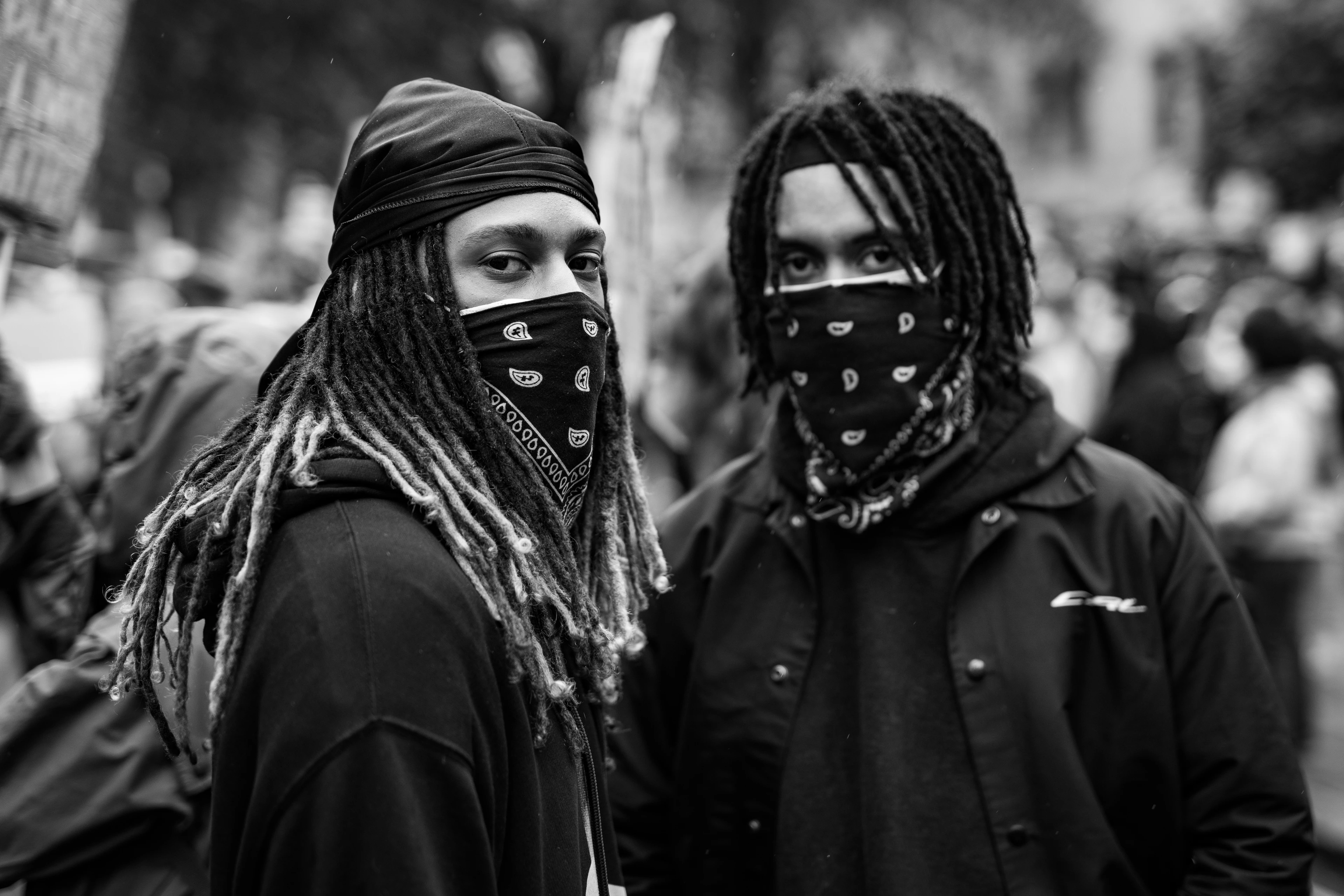
Misan Harriman photographs the 2020 BLM protests in London from right there within the crowd. The resulting portraits are particularly powerful, capturing people who want to be seen. His sensitive yet expressive visual language continues to gain resonance after the protests. Shortly afterwards, he designs a cover for British Vogue, becoming the first person of color to do so.
40 Years of LOBA
In the Field of Vision
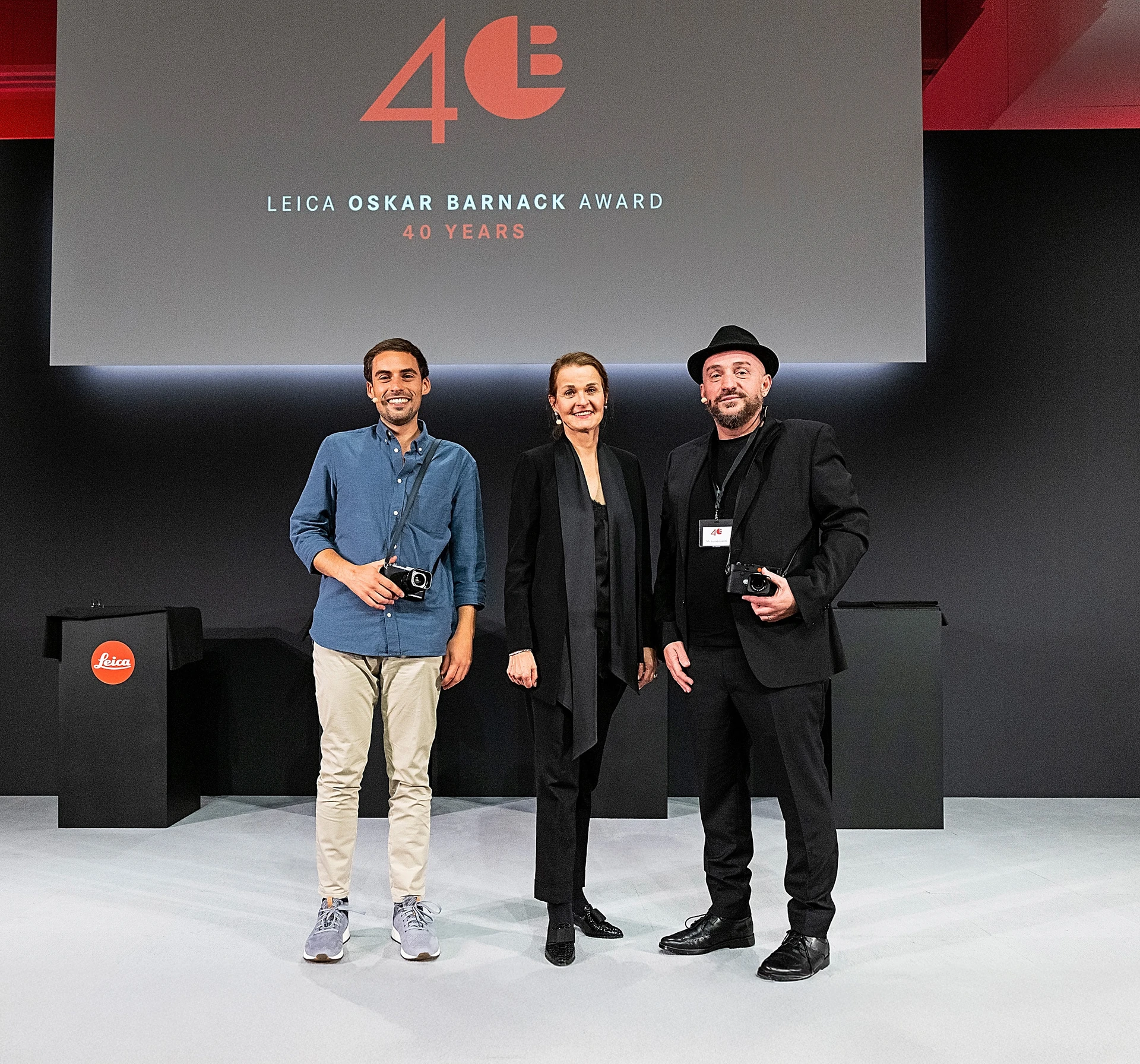
Four decades of the Leica Oskar Barnack Award – forty years of photography that touches, testifies, and triggers emotions. Since 1980, the LOBA has recognized outstanding image series reflecting the interplay between people and their environment. To celebrate this milestone, Karin Rehn-Kaufmann and the current award winners share the stage, symbolizing continuity, vision, and the transformative power of photography to transcend borders and connect generations.
2020
Luca Locatelli
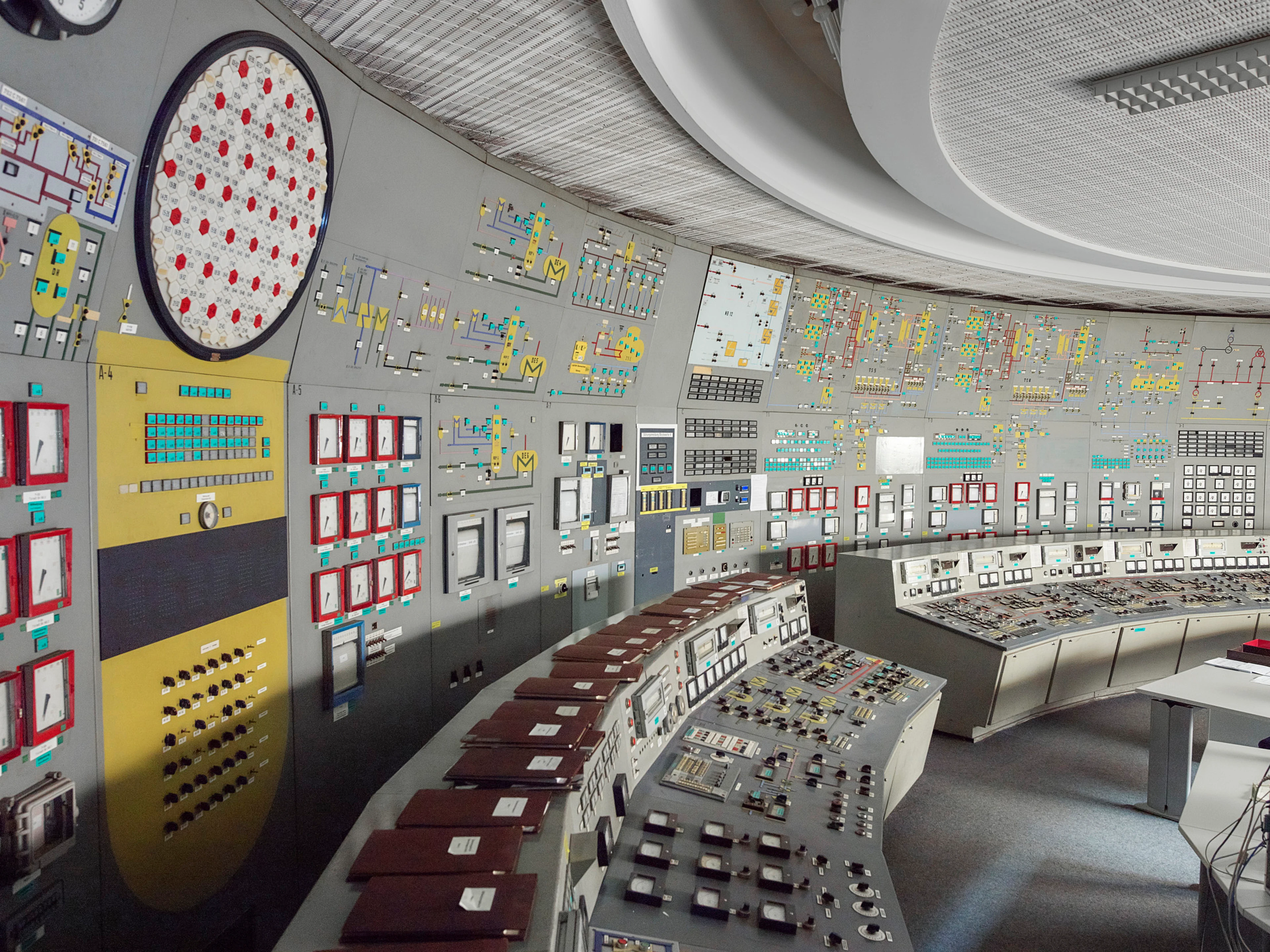
In Future Studies, Luca Locatelli shows places where our future is being shaped: research centers, biolabs, and recycling plants. His clear, almost surreal compositions tell of progress and responsibility, and of the search for balance between technology and nature. It is a visual study of sustainability and the aesthetics of change.
Leica SL2-S
In the Flow of the Moment
The SL2-S complements the SL-System, offering full-frame camera agility and expressive power. With a 24 MP CMOS sensor, speeds of up to 25 fps and professional video functions, it is aimed at photographers and filmmakers who want to combine speed, precision, and creative freedom.
Social Distancing
At a time when an already strained society urgently needs more closeness, the COVID-19 pandemic takes it away. Social distancing becomes mandatory, faces disappear behind masks, and the home replaces public spaces while simultaneously becoming a hiding place. People must learn to completely redefine social contact, navigating a landscape of caution, sacrifice, mistrust, necessity, disruption, and emerging community structures. The following series showcases the pandemic in all its facets through photography.
Phil Penman
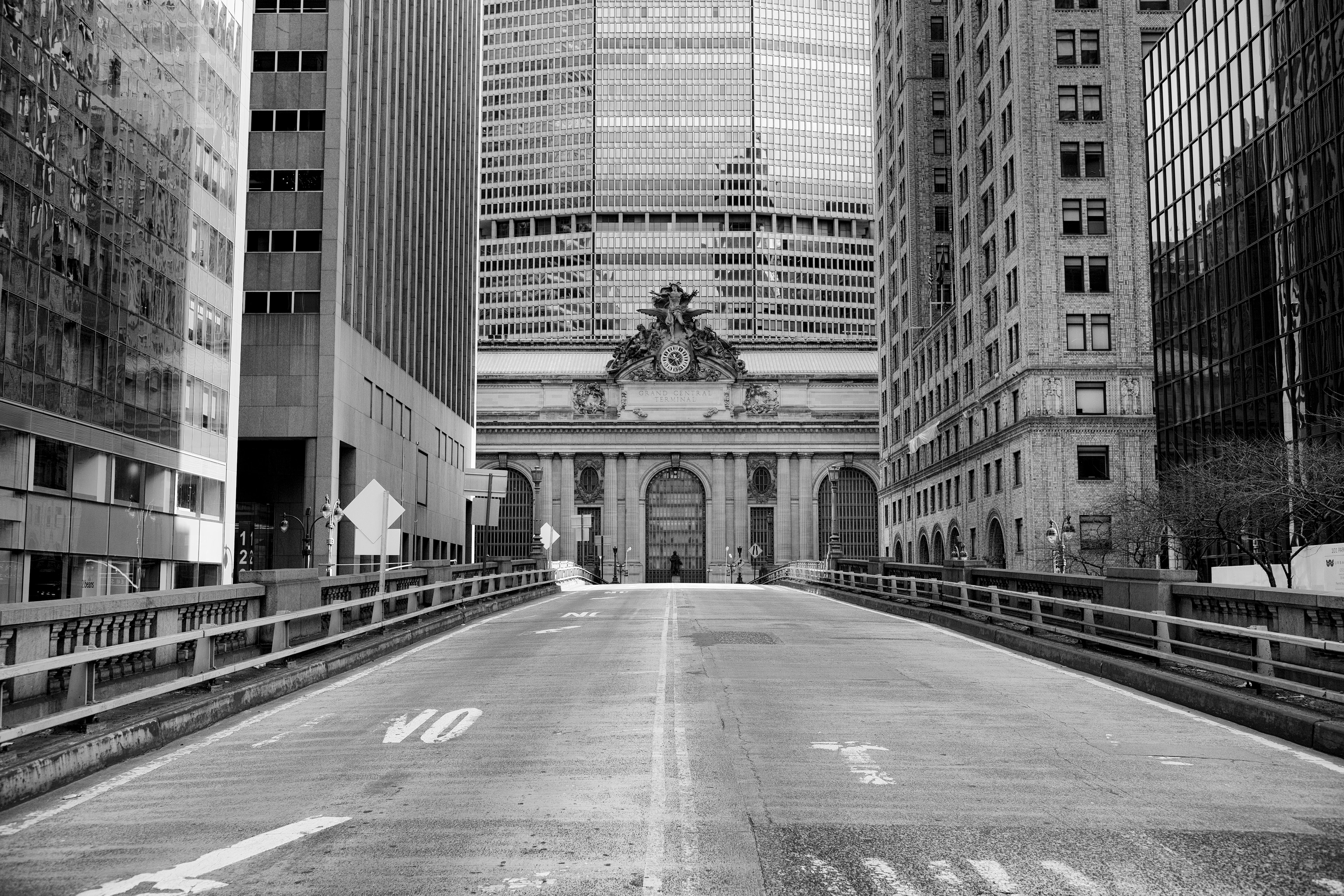
For Phil Penman, the city provides the backdrop to a world in lockdown, with empty Times Square and streets waiting for life, while people observe social distancing.
Bruce Gilden
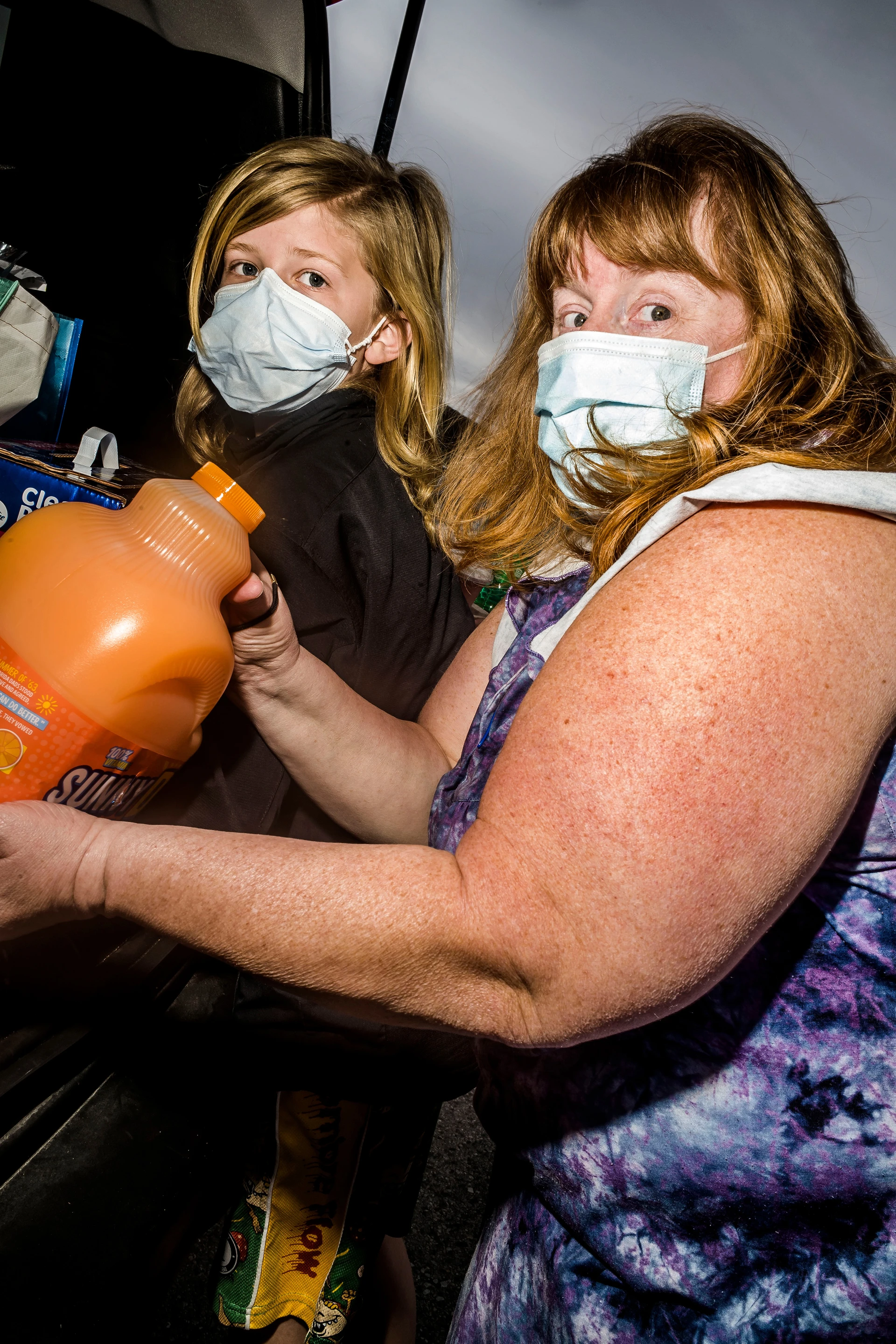
And suddenly, looks speak volumes: Bruce Gilden documents the pandemic using the whimsical portraits of individuals we know him for, but this time they are all wearing masks.
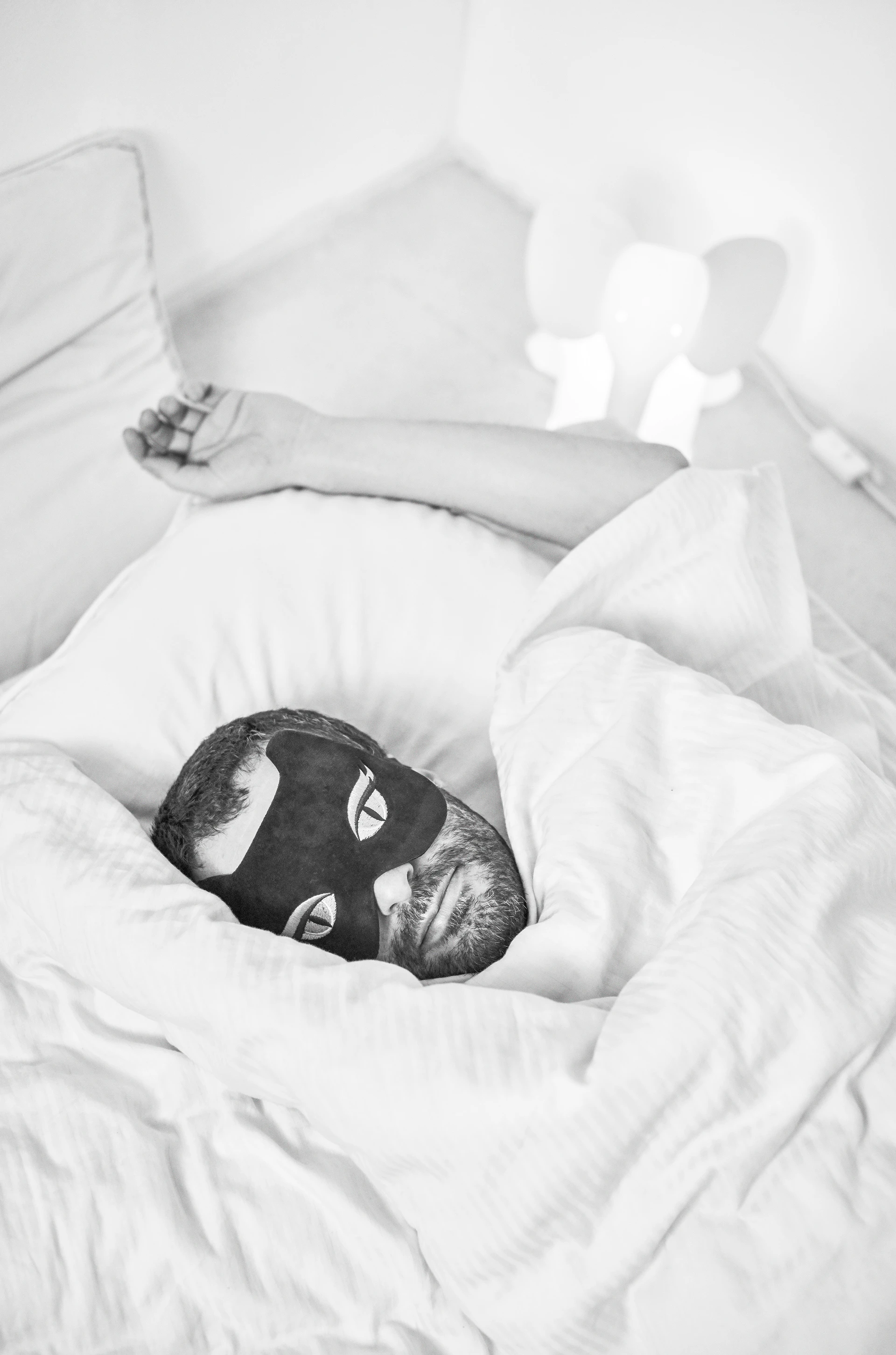
Julia Baier
Berlin caught in a state of emergency: Julia Baier documents the isolation and its absurd consequences.
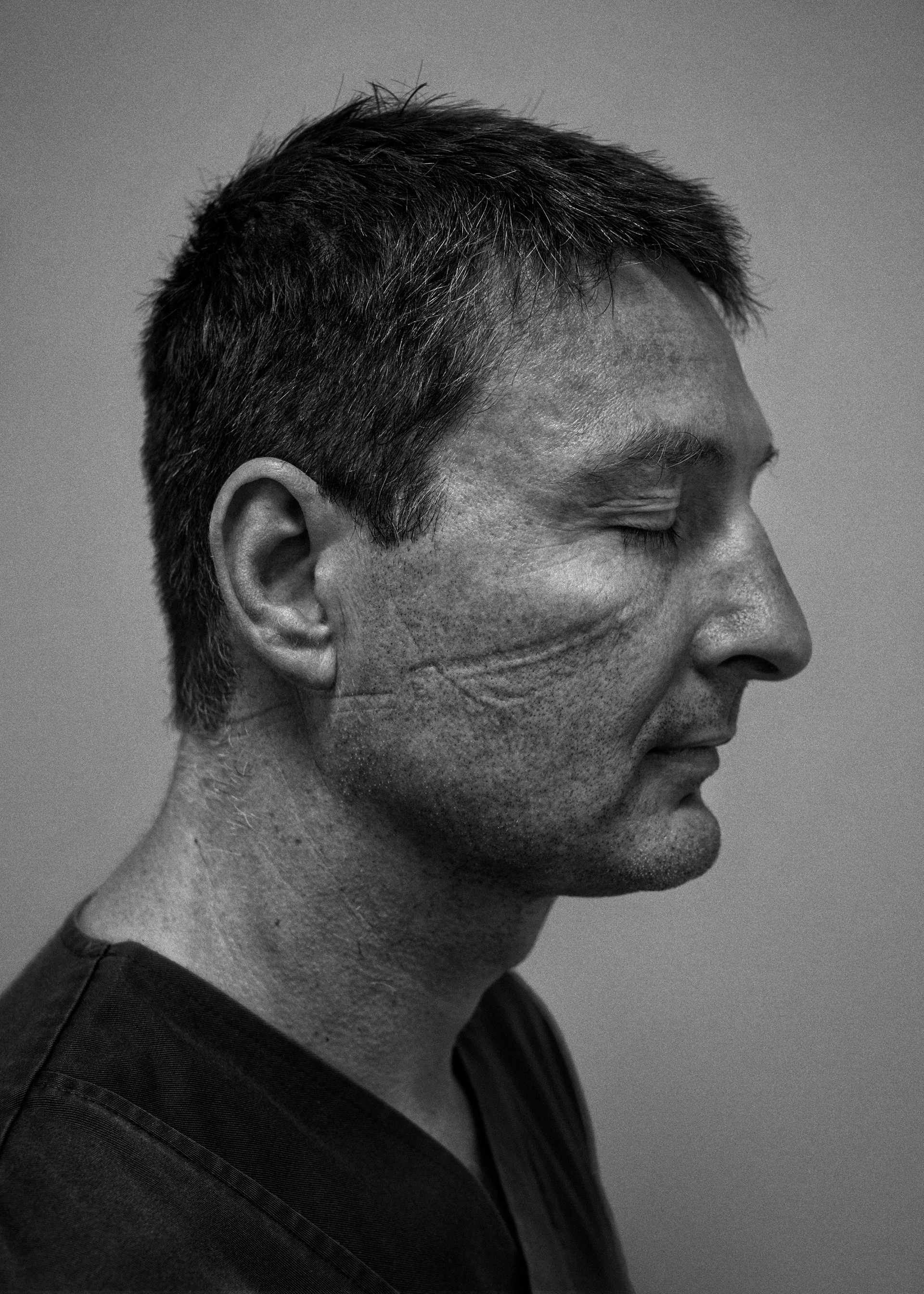
Cédric Gerbehaye
Cédric Gerbehaye accompanies nursing staff and doctors through months of relentless stress. He shows where the boundaries between responsibility and exhaustion lie.
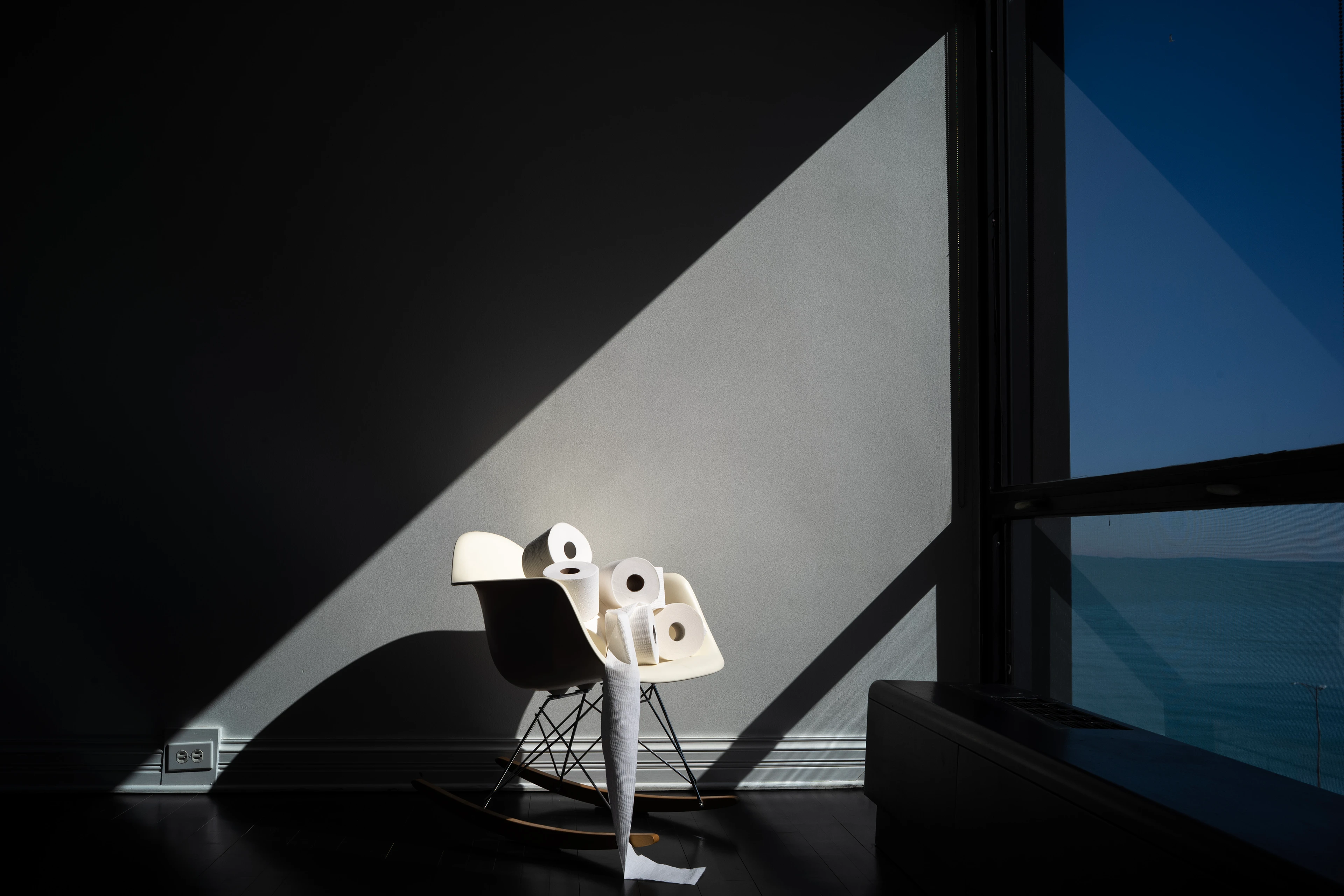
Craig Semetko
Craig Semetko captures the poetry of emptiness with empathetic humor and aloof ease.
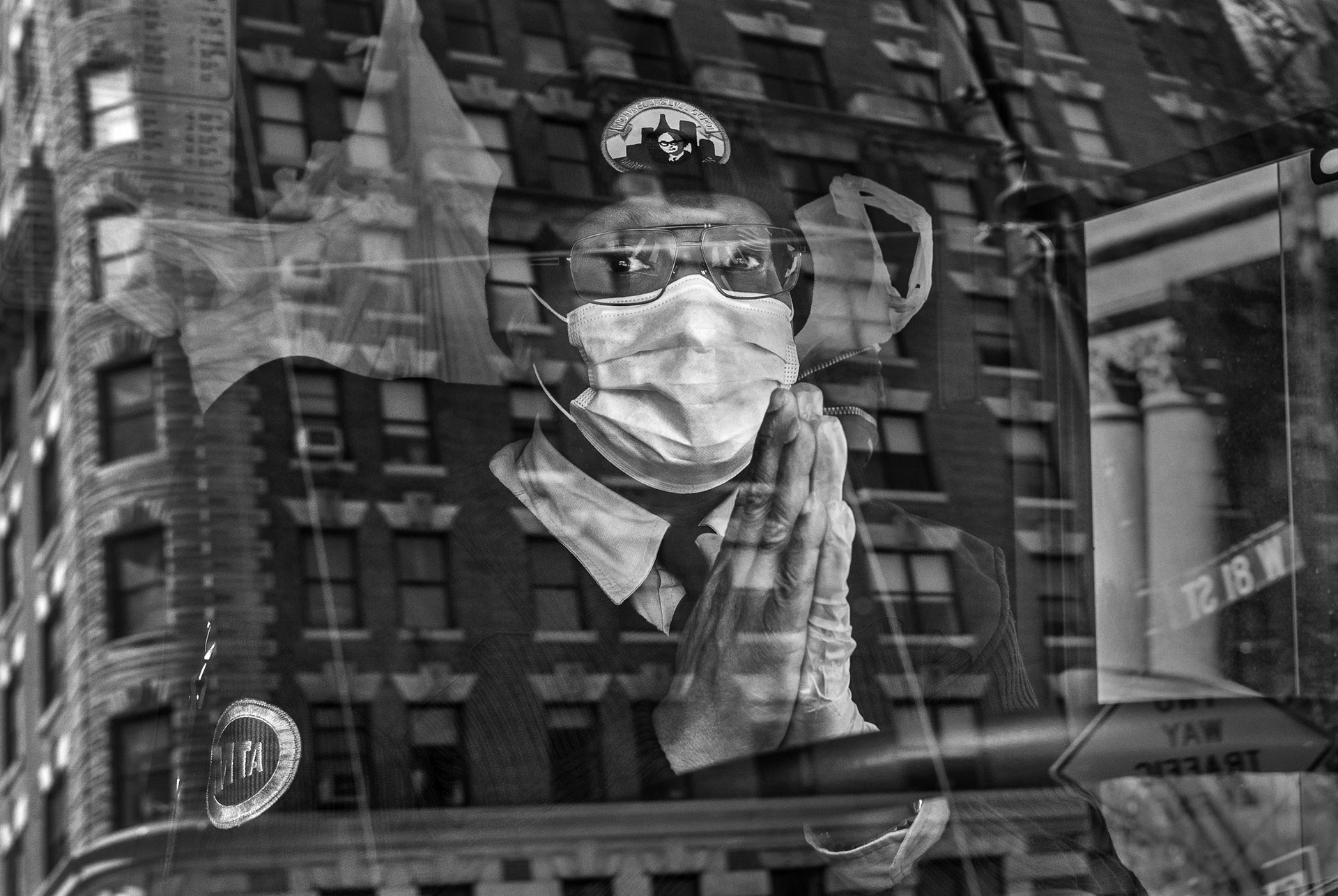
Peter Turnley
Peter Turnley documents human encounters in the shadow of the pandemic, reminding us of the challenges that exceptional circumstances pose to everyday life.
No Time to Die
This Bond film is hotly anticipated: Billie Eilish is delivering the theme song. Global audience has been keenly awaiting it a long time, but the theatrical release has been repeatedly postponed due to the pandemic. This makes the behind-the-scenes images by Greg Williams, Nicola Dove, and Daniel Craig, who takes to the camera himself, all the more remarkable. There is no distance here; people are shown in their element, side by side, in the midst of a huge production. A rare view of the James Bond world emerges between takes, make-up, and rehearsals – not as a myth, but characterized by teamwork.
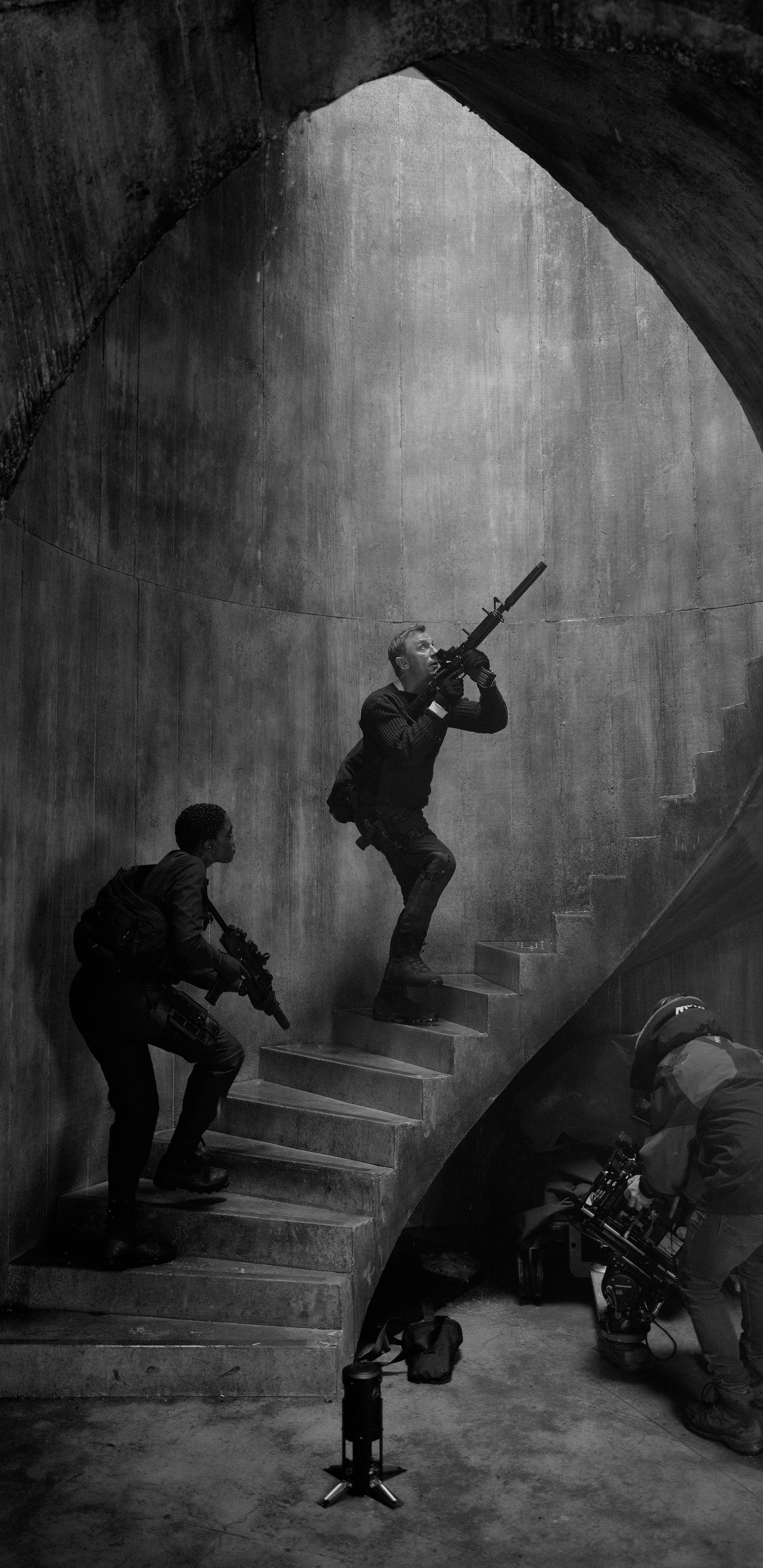
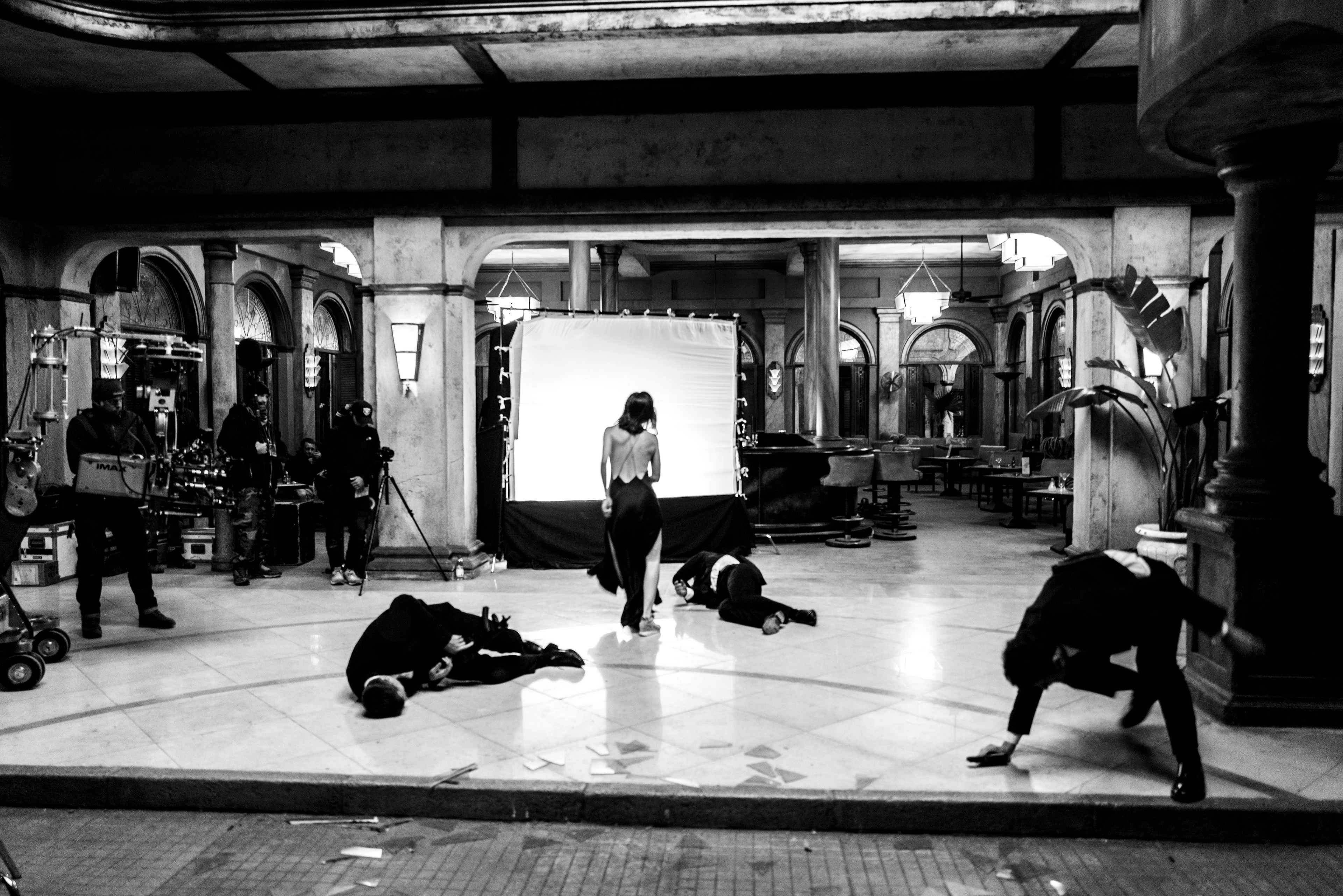
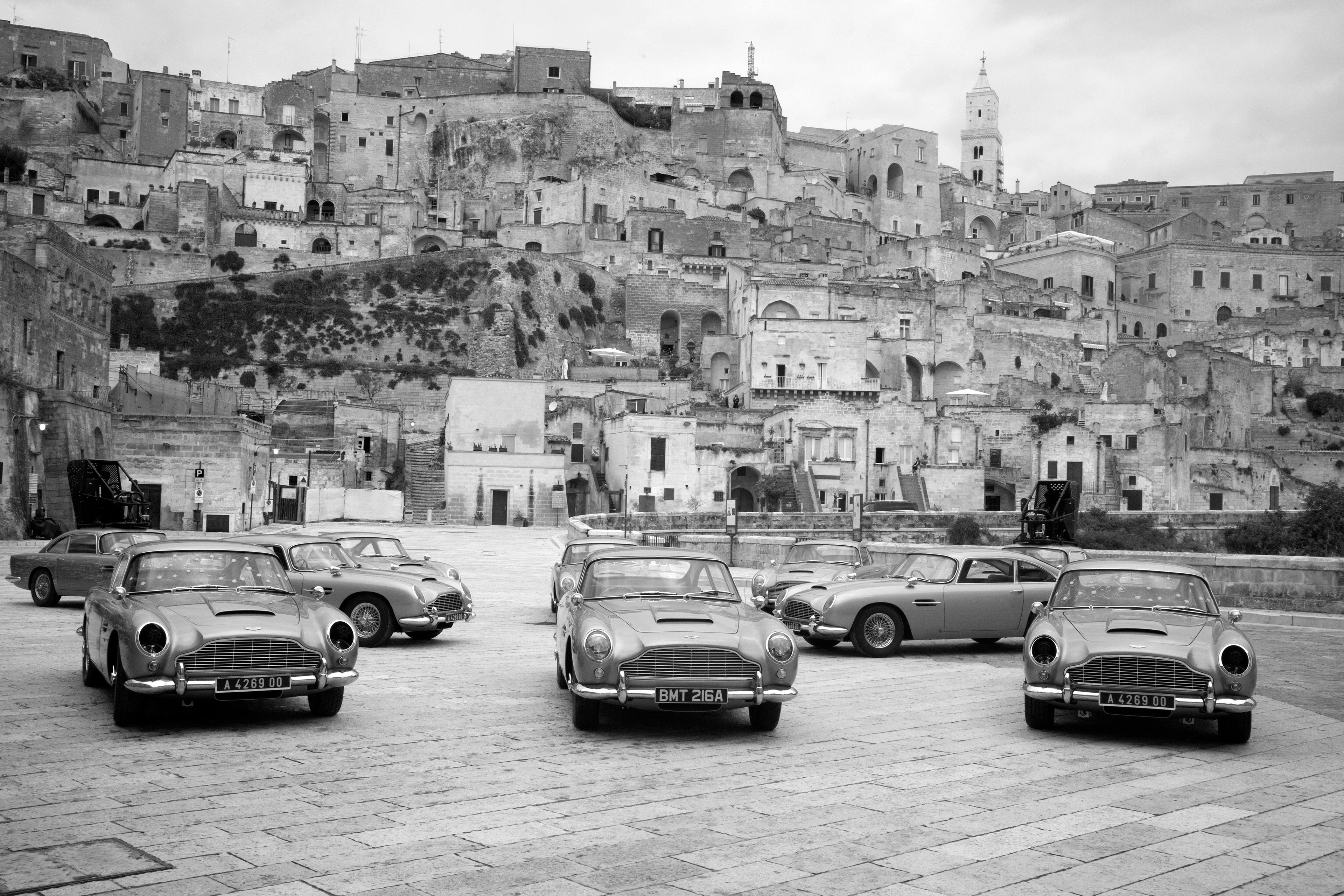
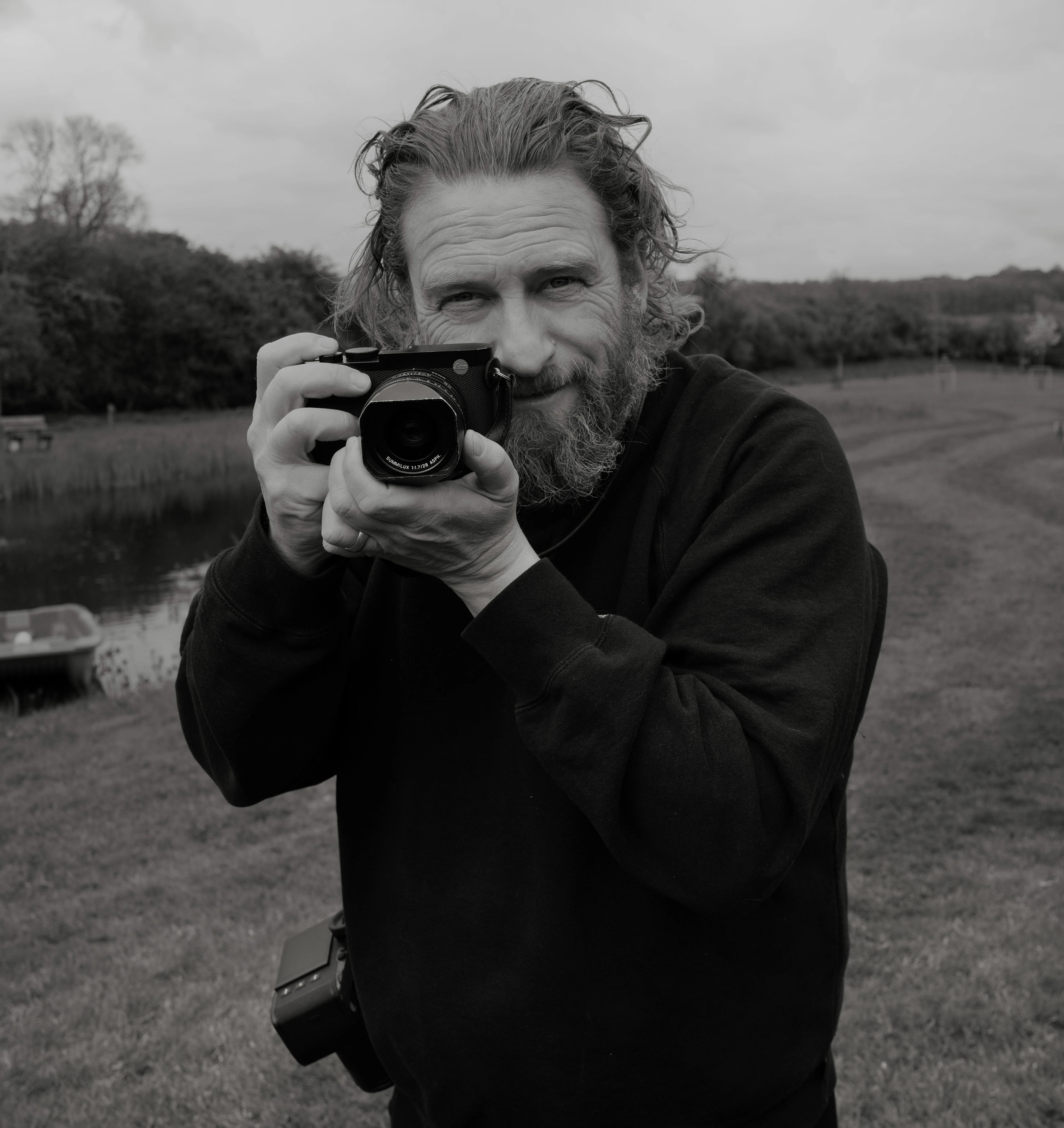
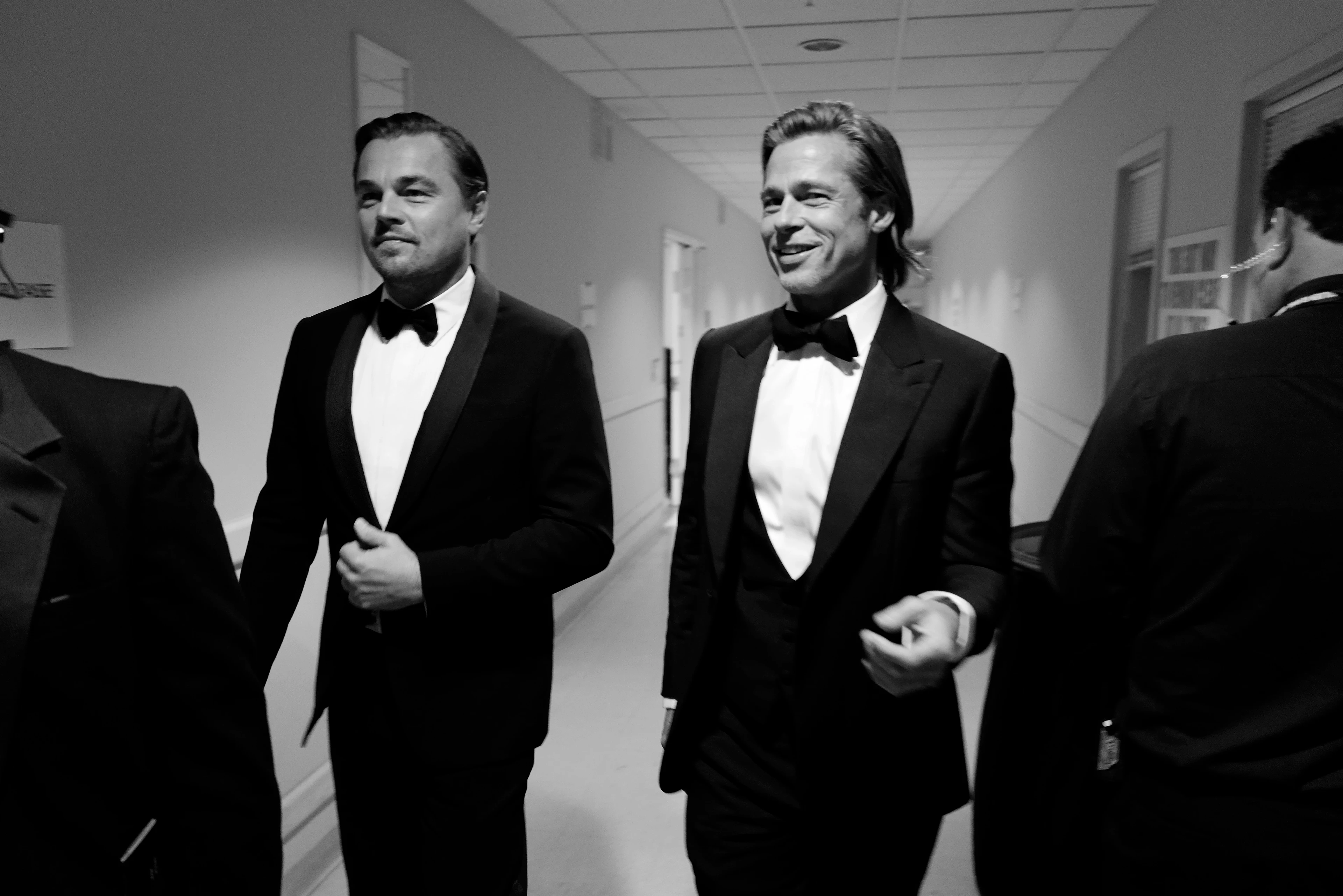
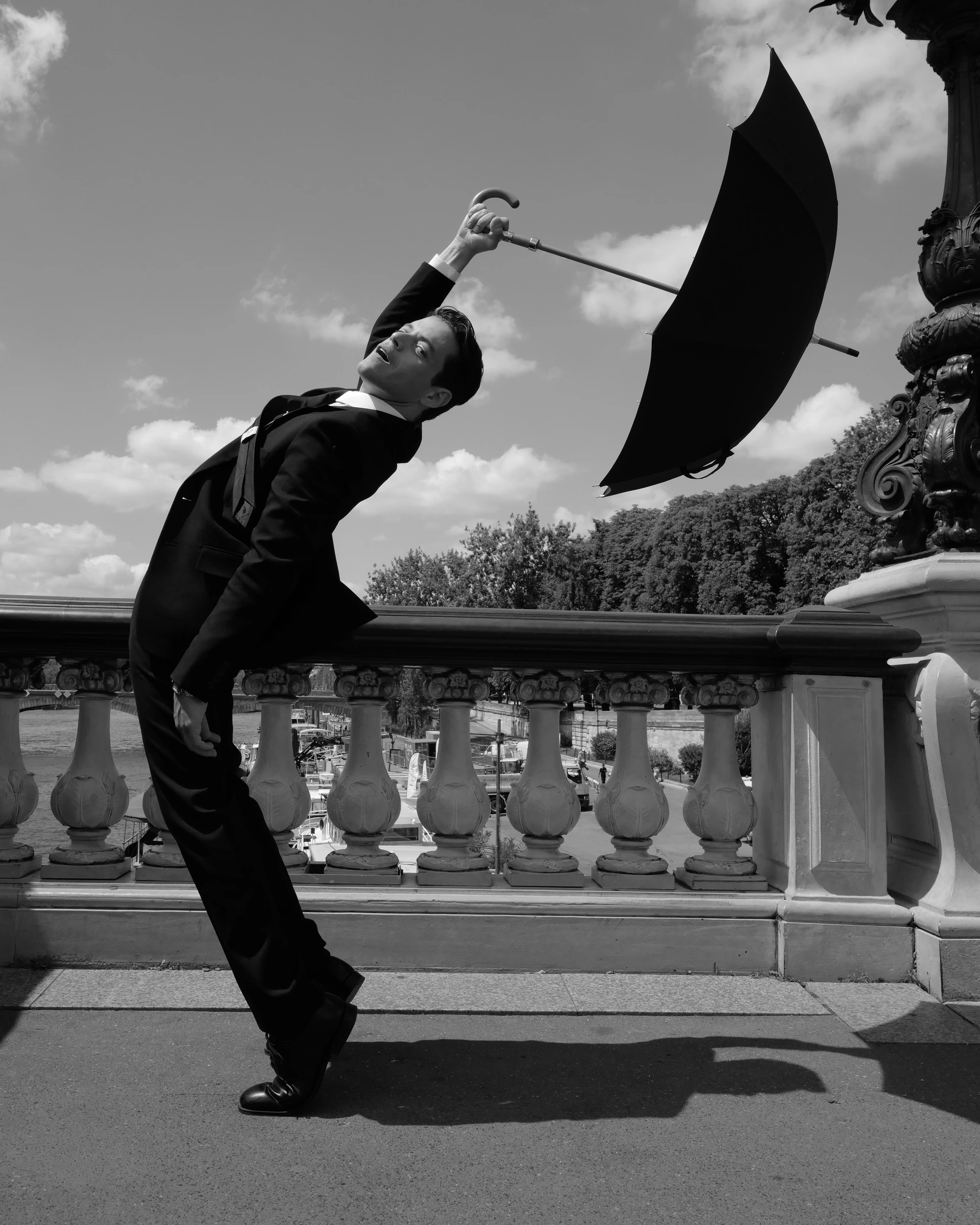
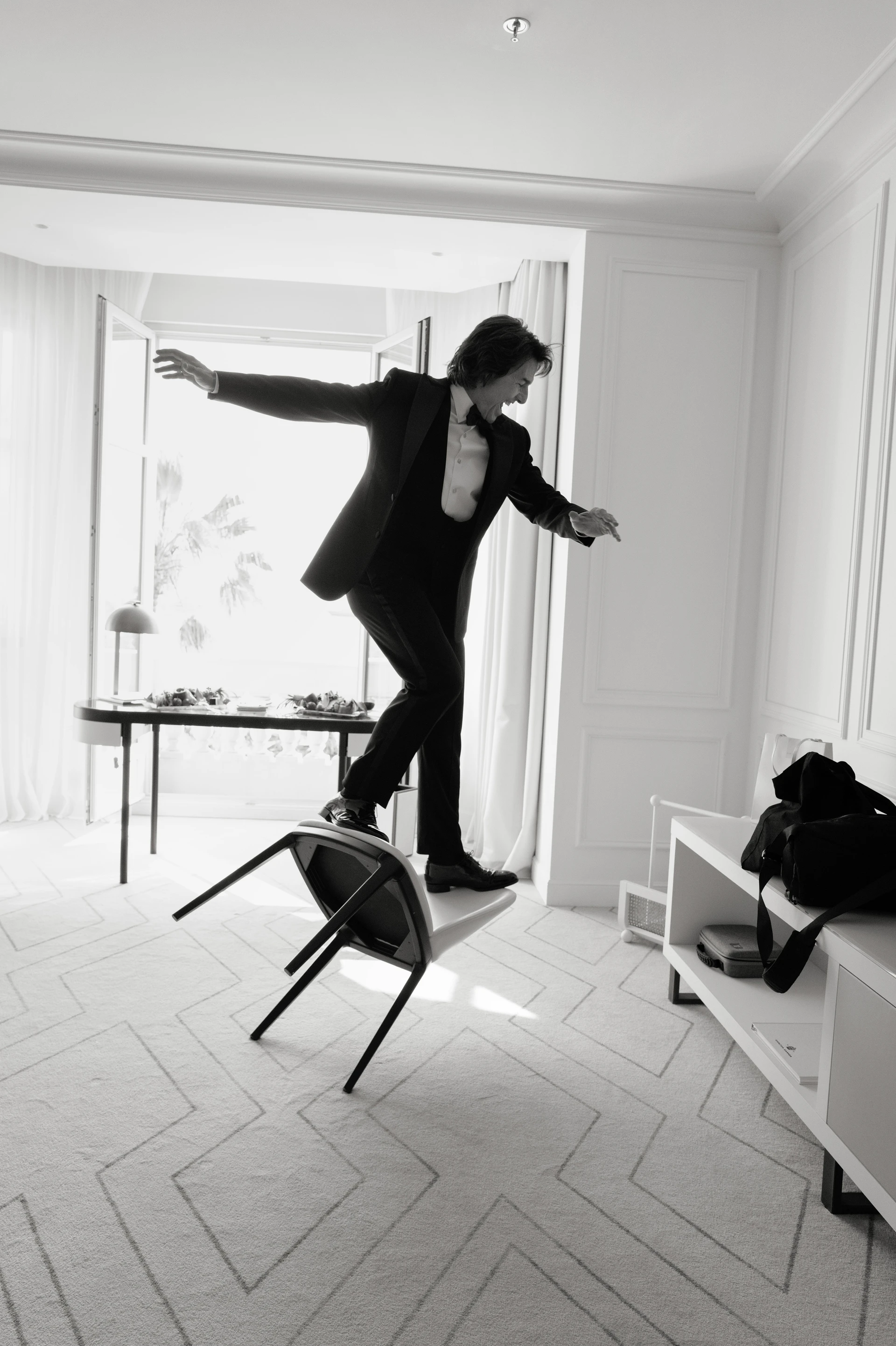
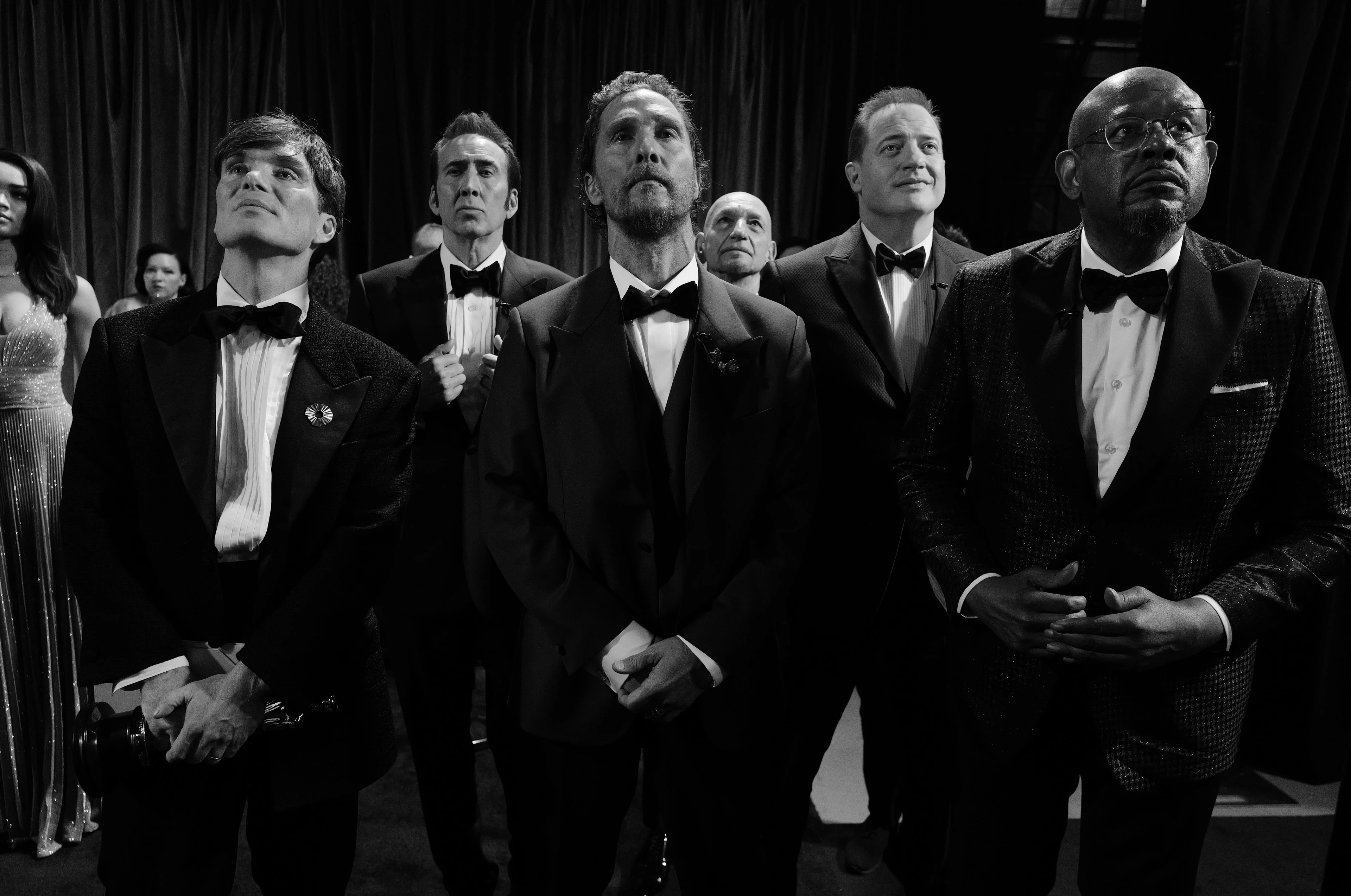
I never think of myself as photographing celebrities, I photograph artists.– Greg Williams
Artists
Influenced
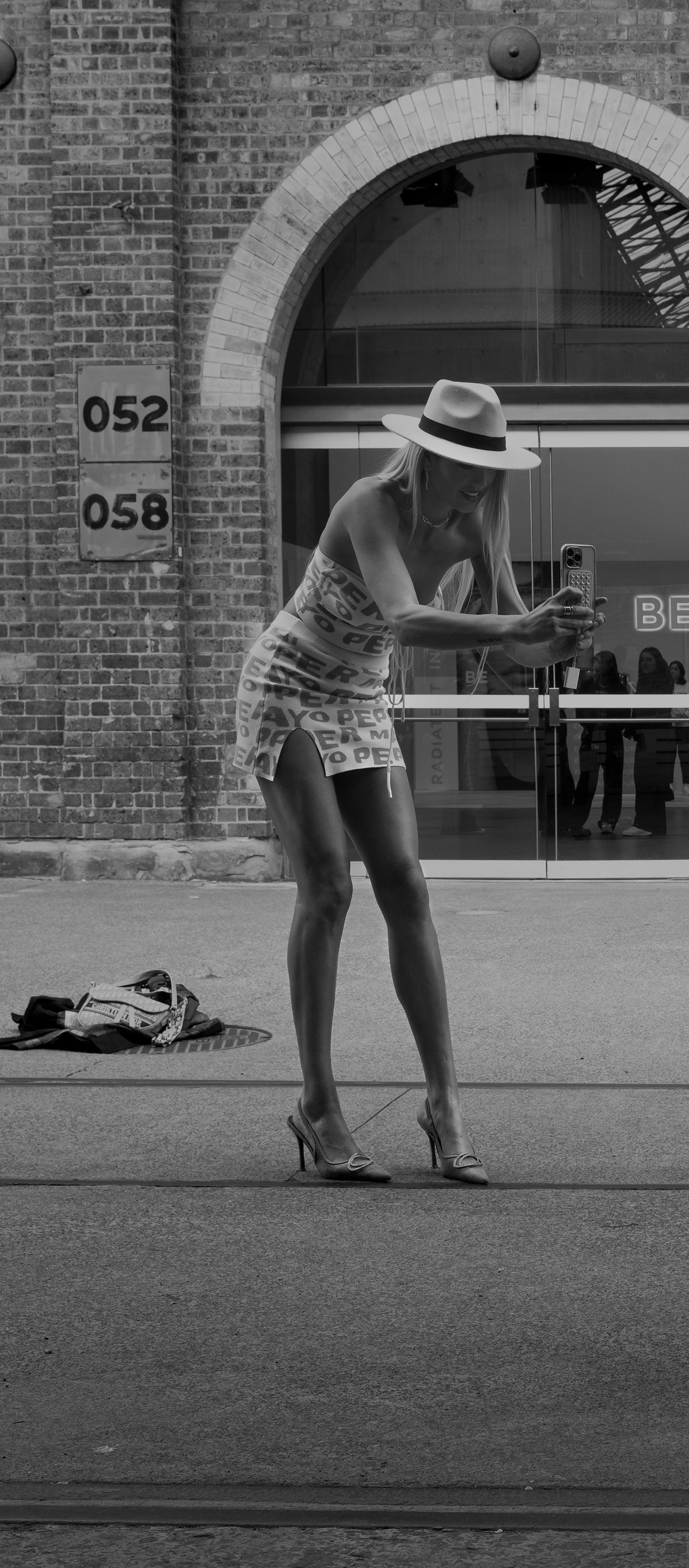
At the start of the 2020s, the number of influencers increases dramatically. They produce content amid everyday public life: dancing in the street, planned spontaneity, beauty tips, life hacks, and even the Naked Cowboy as a New York landmark – everything goes online. Photography is becoming an increasingly important part of the zeitgeist, to the extent that real life only seems to take place if it is uploaded. This creates a seemingly perfect parallel reality in the public eye, which exerts an immense influence on the self-image of entire generations and billions of people.