Leica Q
Spontaneous Soul
The Leica Q combines a full-frame sensor and a built-in Summilux 28 f/1.7 ASPH. lens in a compact body. Its fast autofocus and intuitive handling allow for a more spontaneous and intense approach to photography, offering an authentic, direct, and timeless Leica experience.
Change of Perspective
At a time when images are being created and circulated faster than ever before, and anything and everything is becoming a potential motif, two series from 2015 question the control and direction of vision. What happens when those who are used to being in focus or observing others turn the camera around? What if the photographers themselves become subjects – and the moment is reversed?
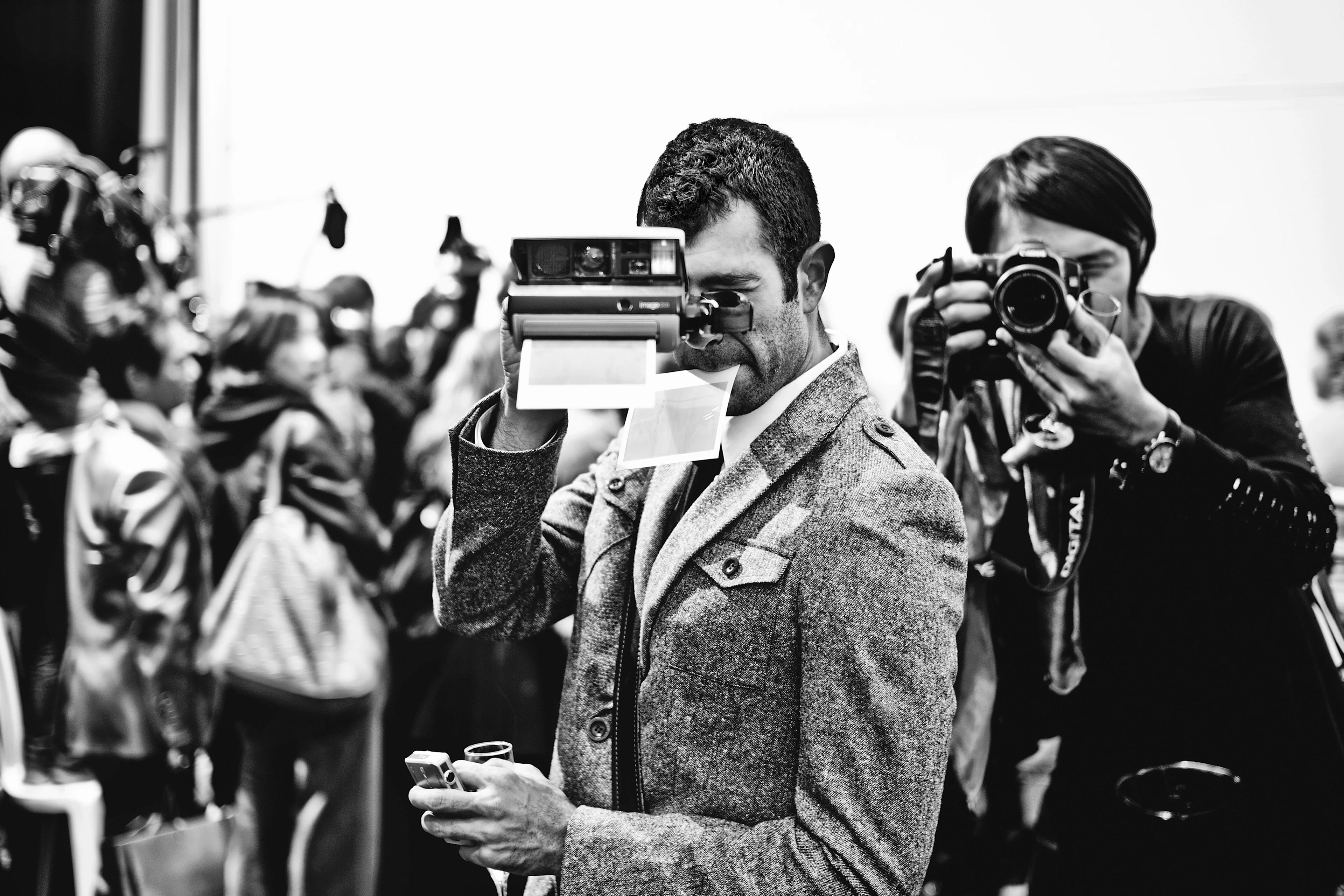
Lenny Kravitz: Flash
In his Flash series, the multi-talented rock star turns the tables on his pursuers. The bright flashes that would normally signify the hunt become a stylistic device for the hunted, offering a poetic commentary on fame, privacy, and discretion.

Phil Penman: Paparazzi
In Paparazzi, Penman observes life behind the cameras. His photographs reveal his colleagues in the shadows: persistent, searching, and driven by routine and the hunt. A unique human study of the image business.

Leica SL
A Fresh Look at the Bigger Picture
The SL is the first professional mirrorless full-frame camera to rely entirely on digital real-time preview. Its L-mount also marks the beginning of a system that enables a modern visual language, creative freedom, and cross-brand compatibility.
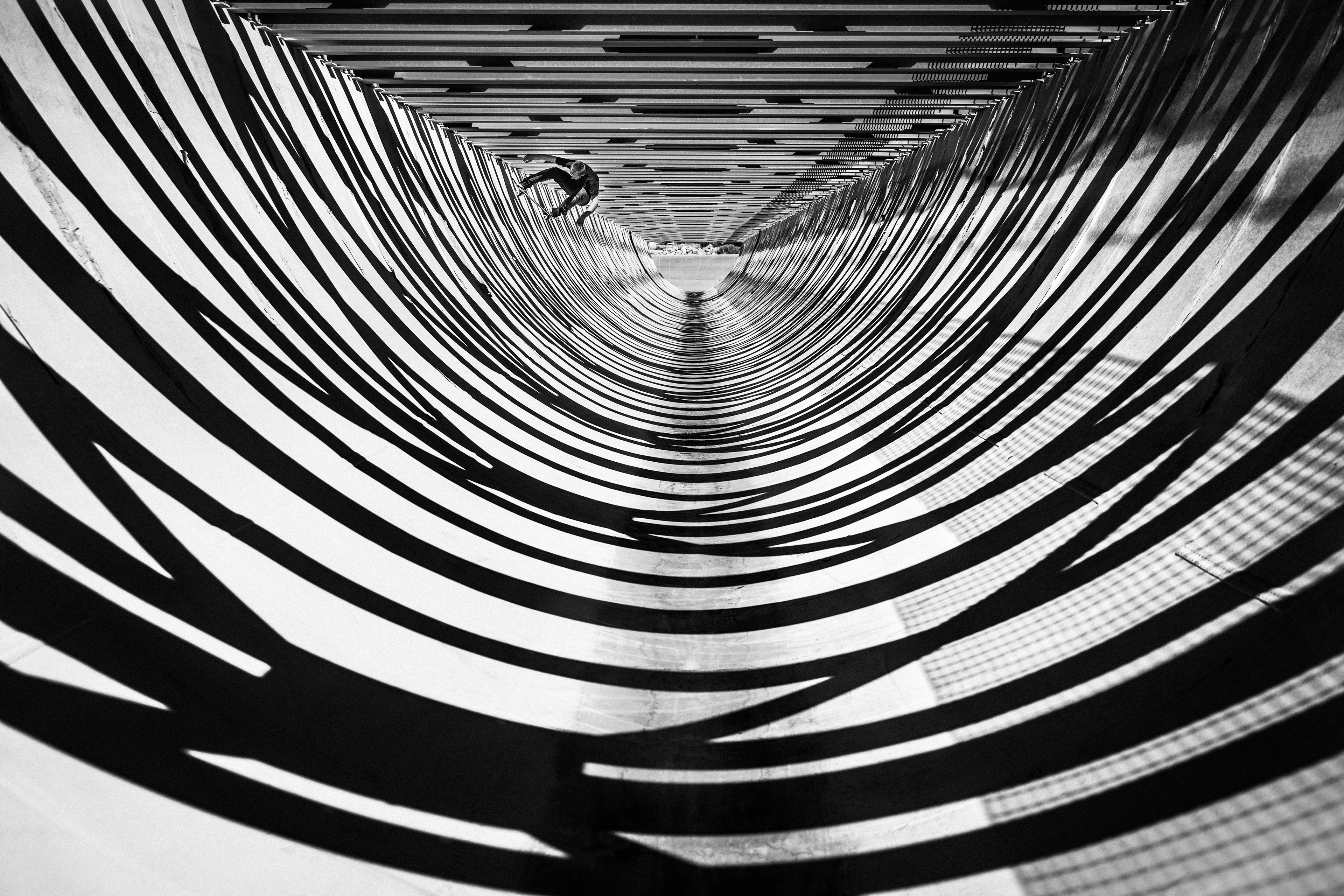
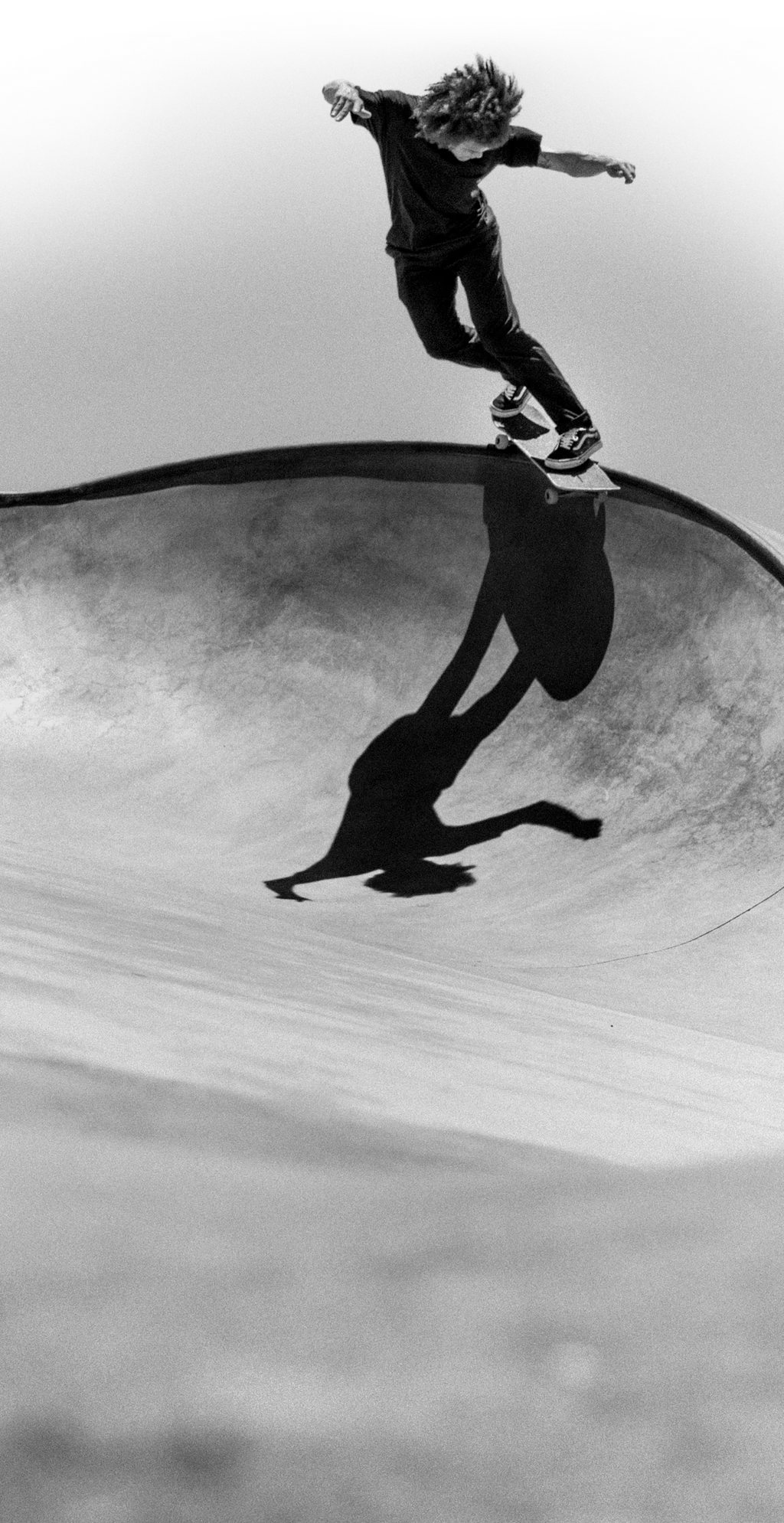
Skateboarding, but Unseen
Fred Mortagne captures skater with his Leica SL in a way that only he and the SL can. His images of “French Fred” skillfully balance speed and calm, street and refined style, elevating urban aspects to an art form.
Behind Screens
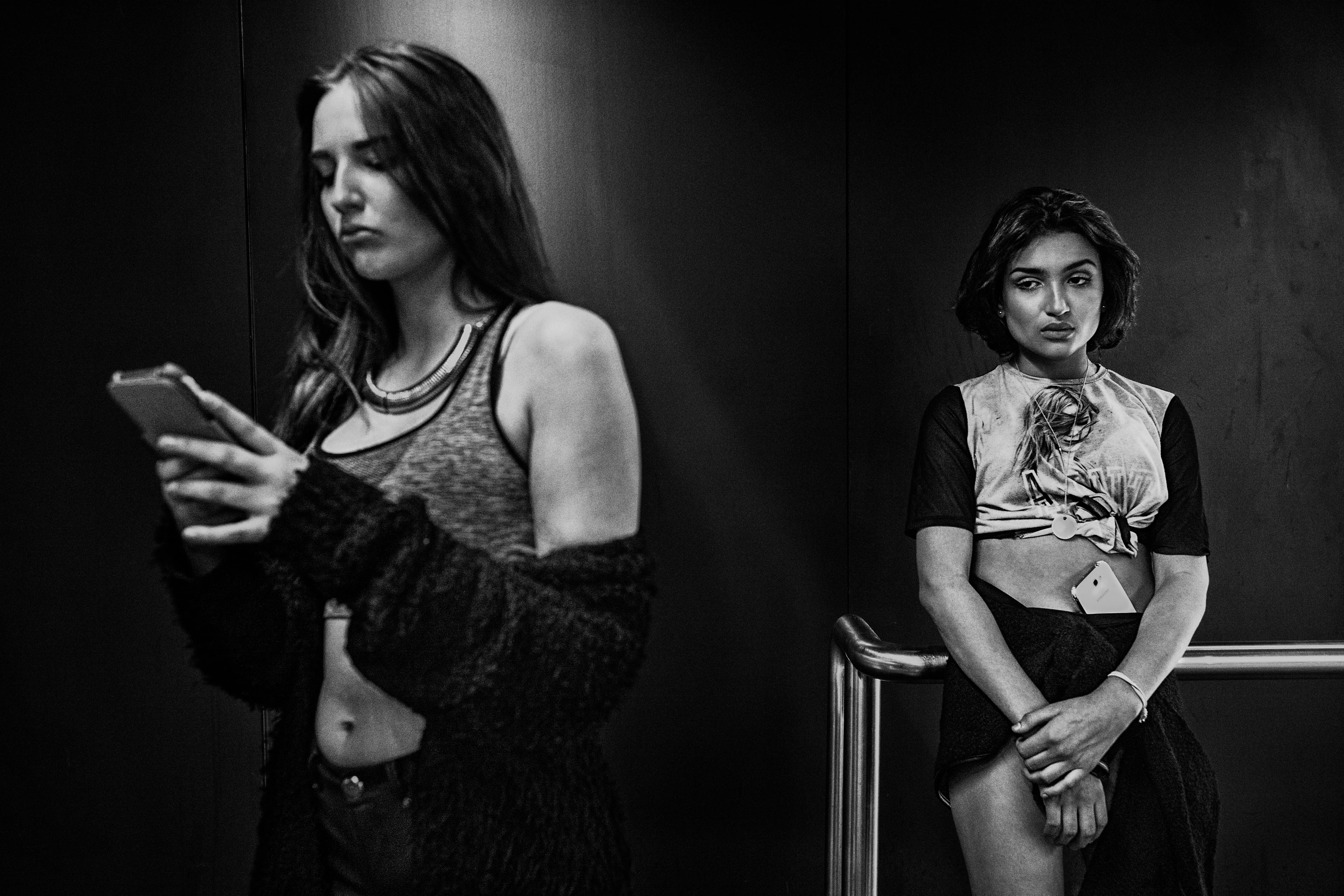
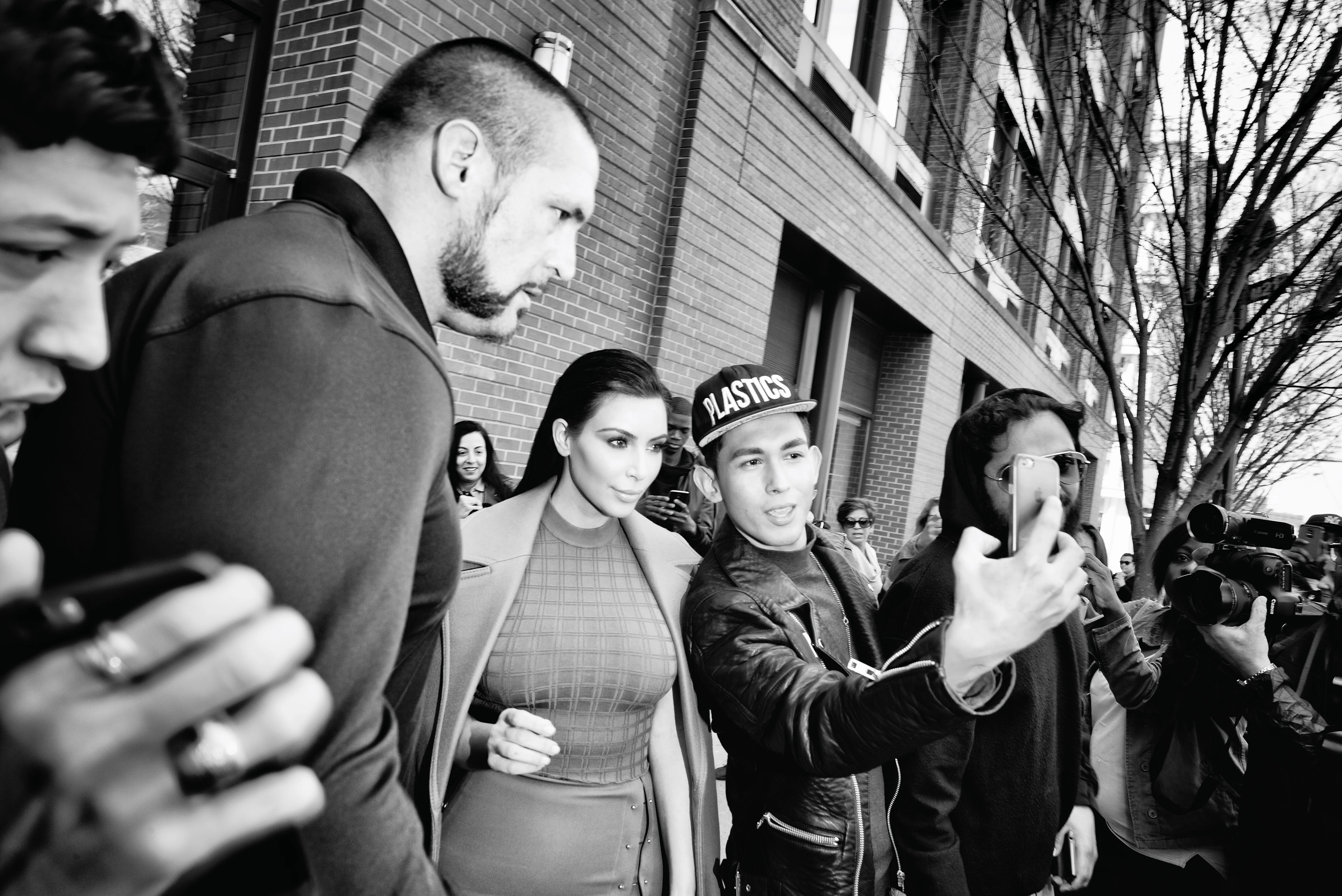
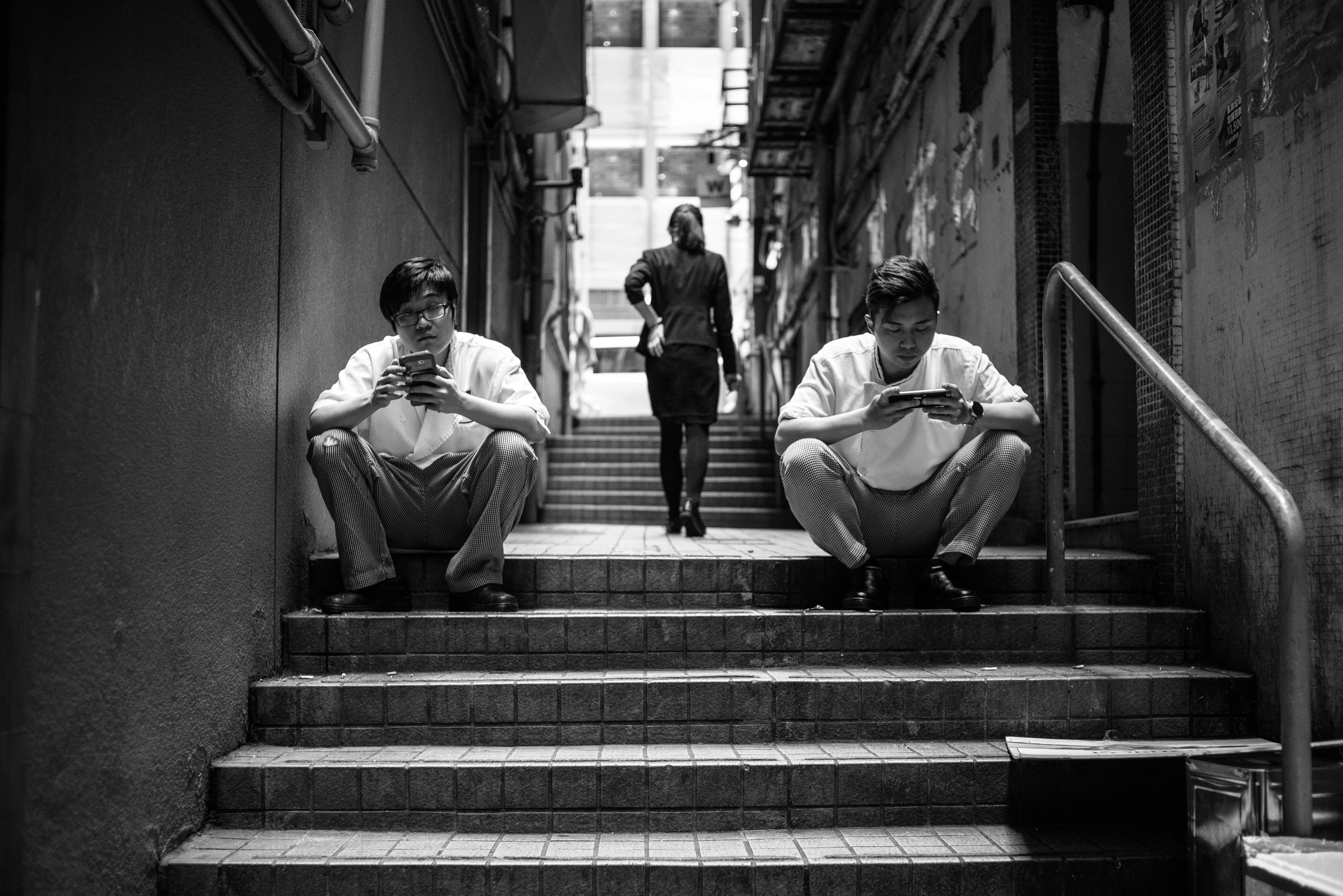
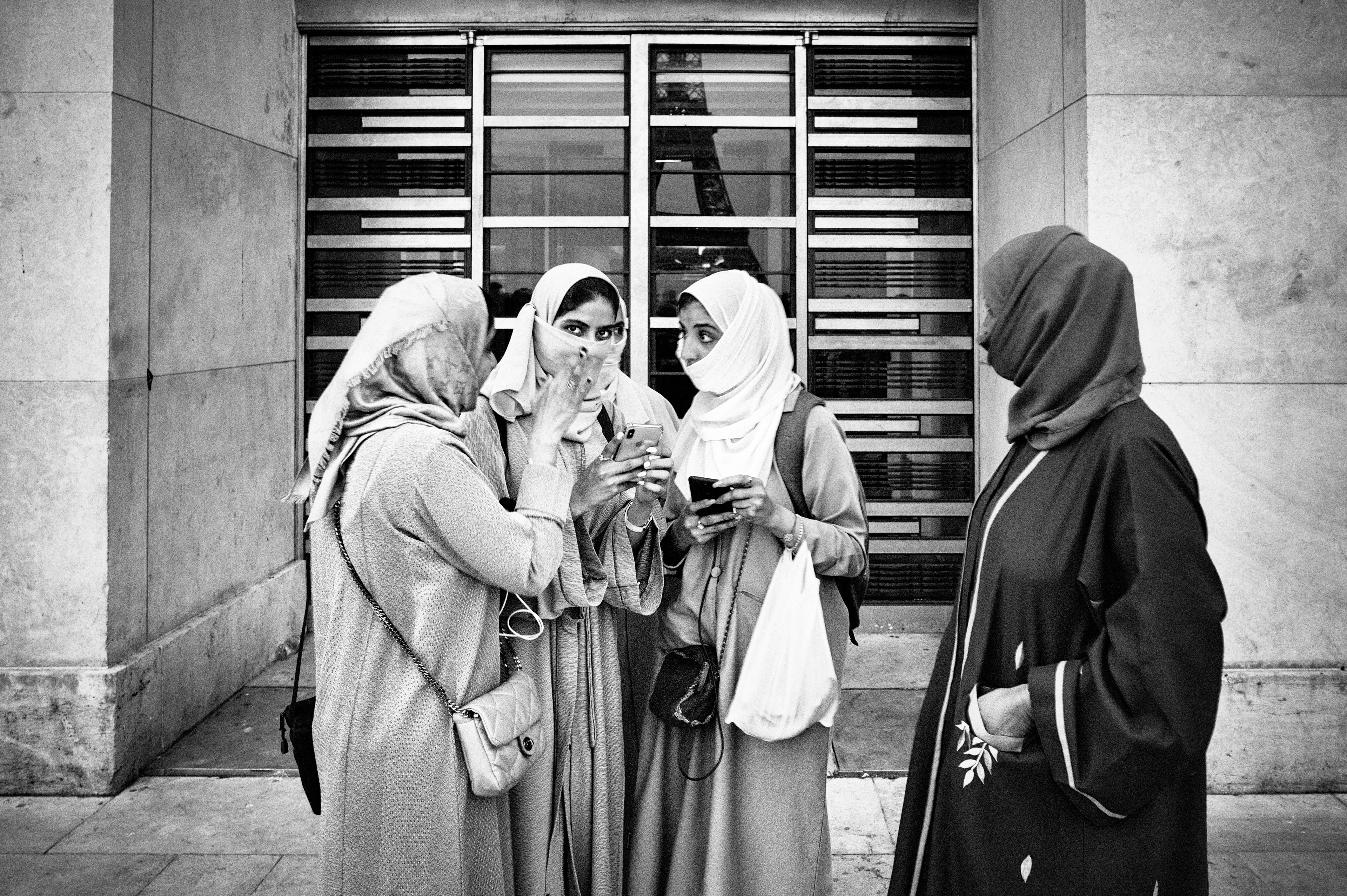
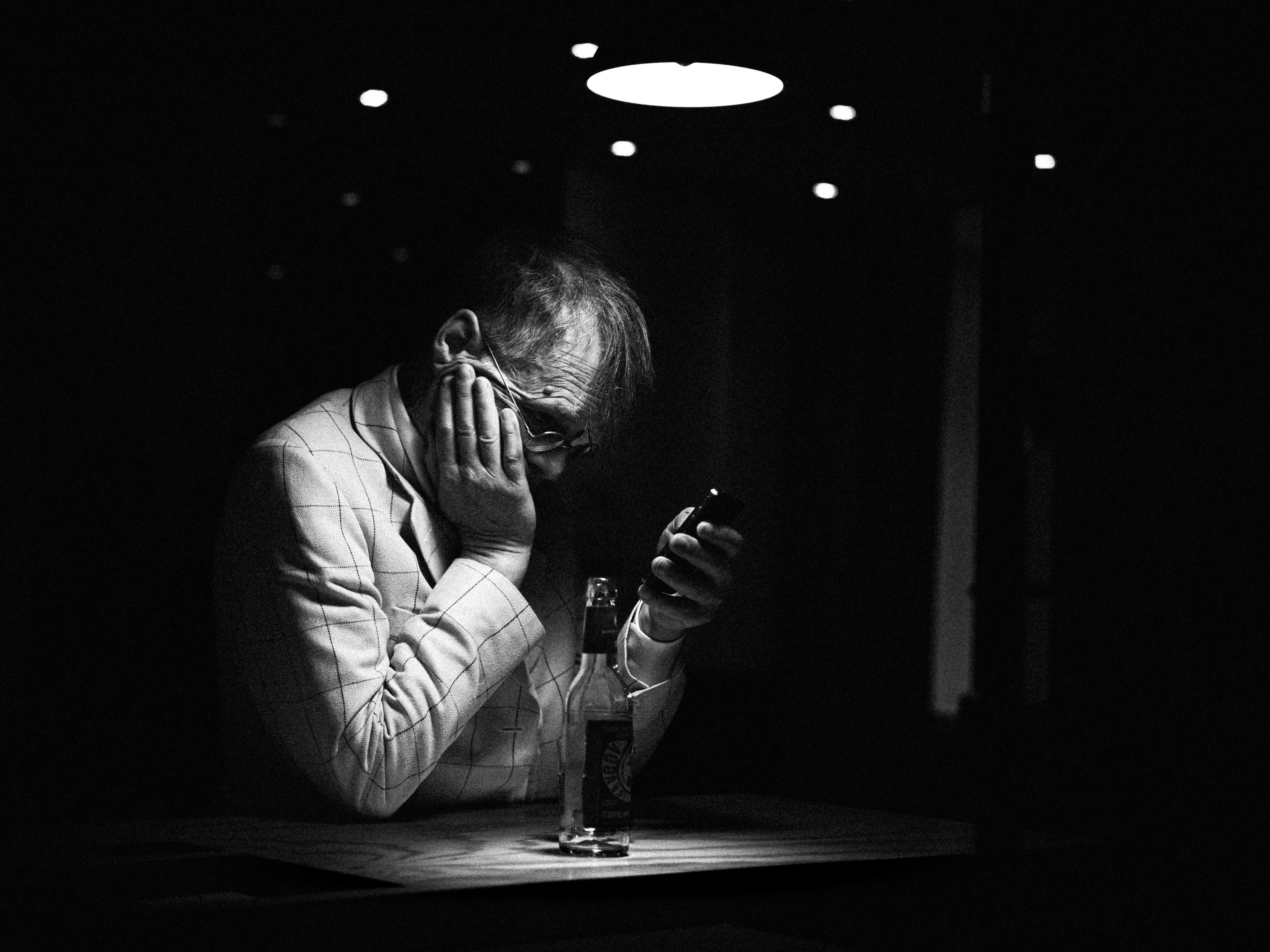
By the mid-2010s, it has become impossible to imagine society without smartphones. It is visibly changing our general perception – always online, always available. The display pushes itself between life and reality: encounters are interrupted; moments, news, and opinions are shared immediately; closeness becomes more digital; and attention is fought for ever more fiercely. So-called “likes” are becoming the new currency.

Everything for the Self-Image
With smartphones always at our fingertips, photography has suddenly become a constant means of self-expression. Selfies are replacing classic portraits. Control, reality, and staging merge. Our own image becomes the new self – perfected, filtered, and endlessly reproduced. What used to be an expression of personal memories has become part of our own image.

Split Reality
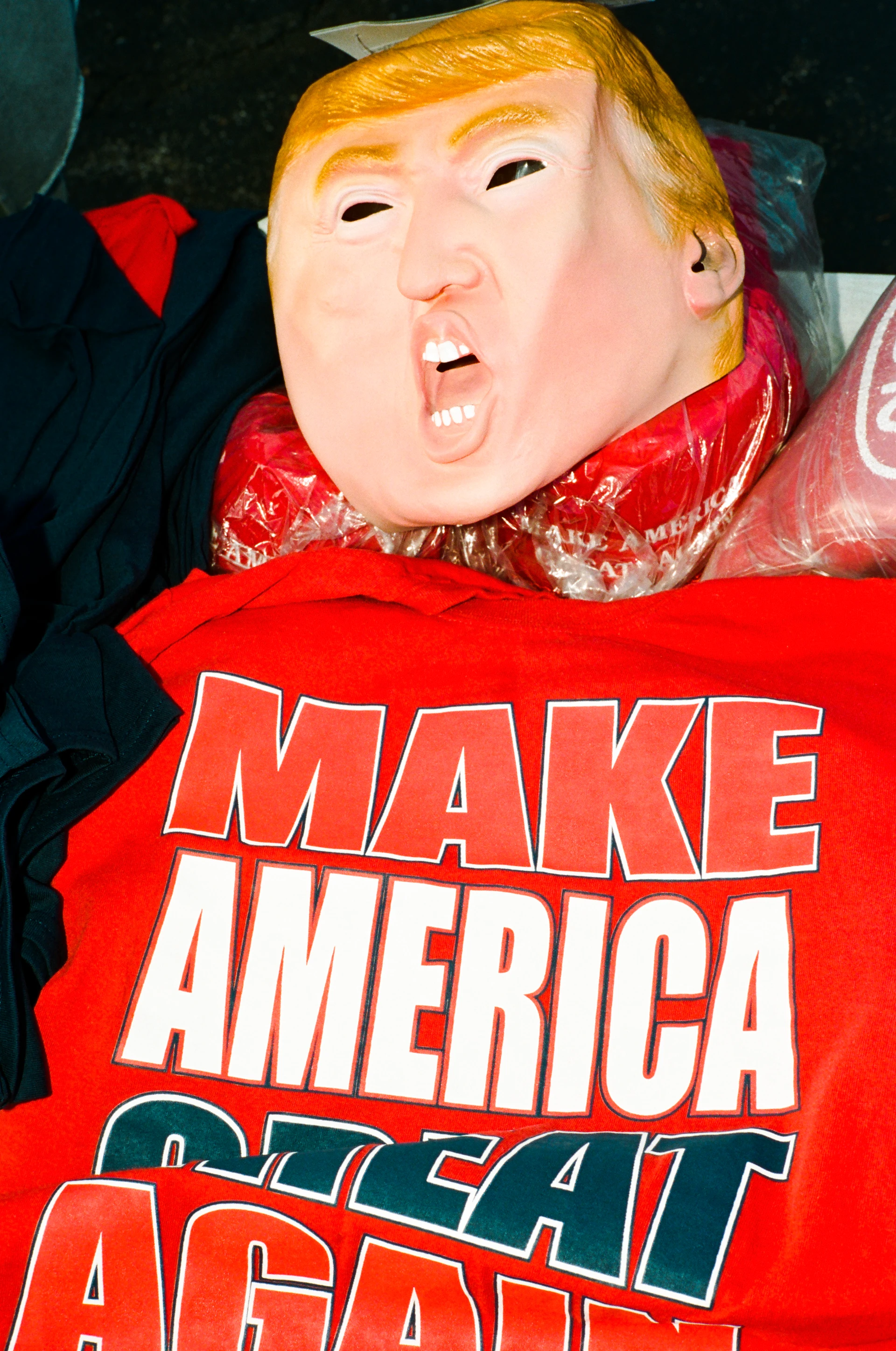
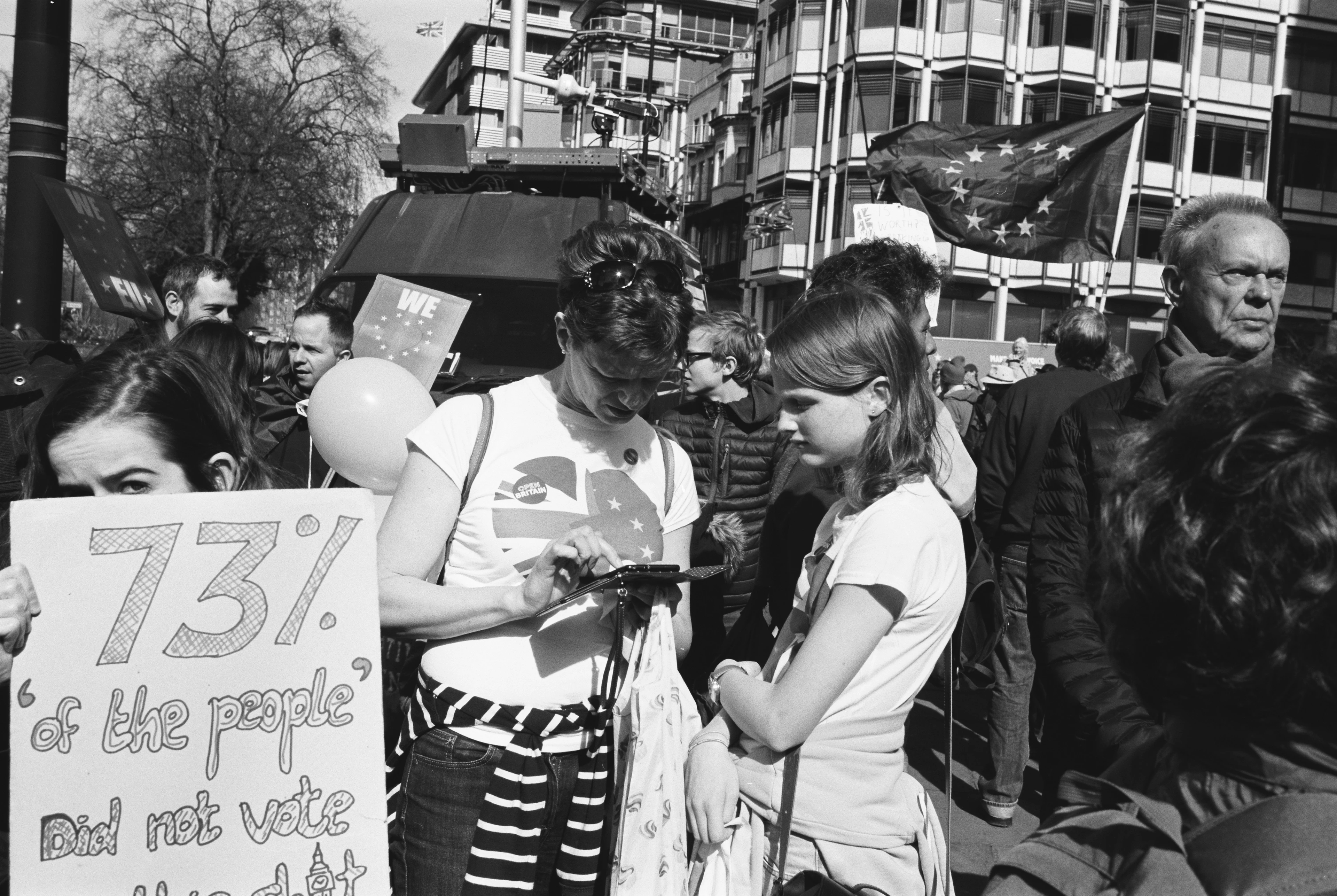
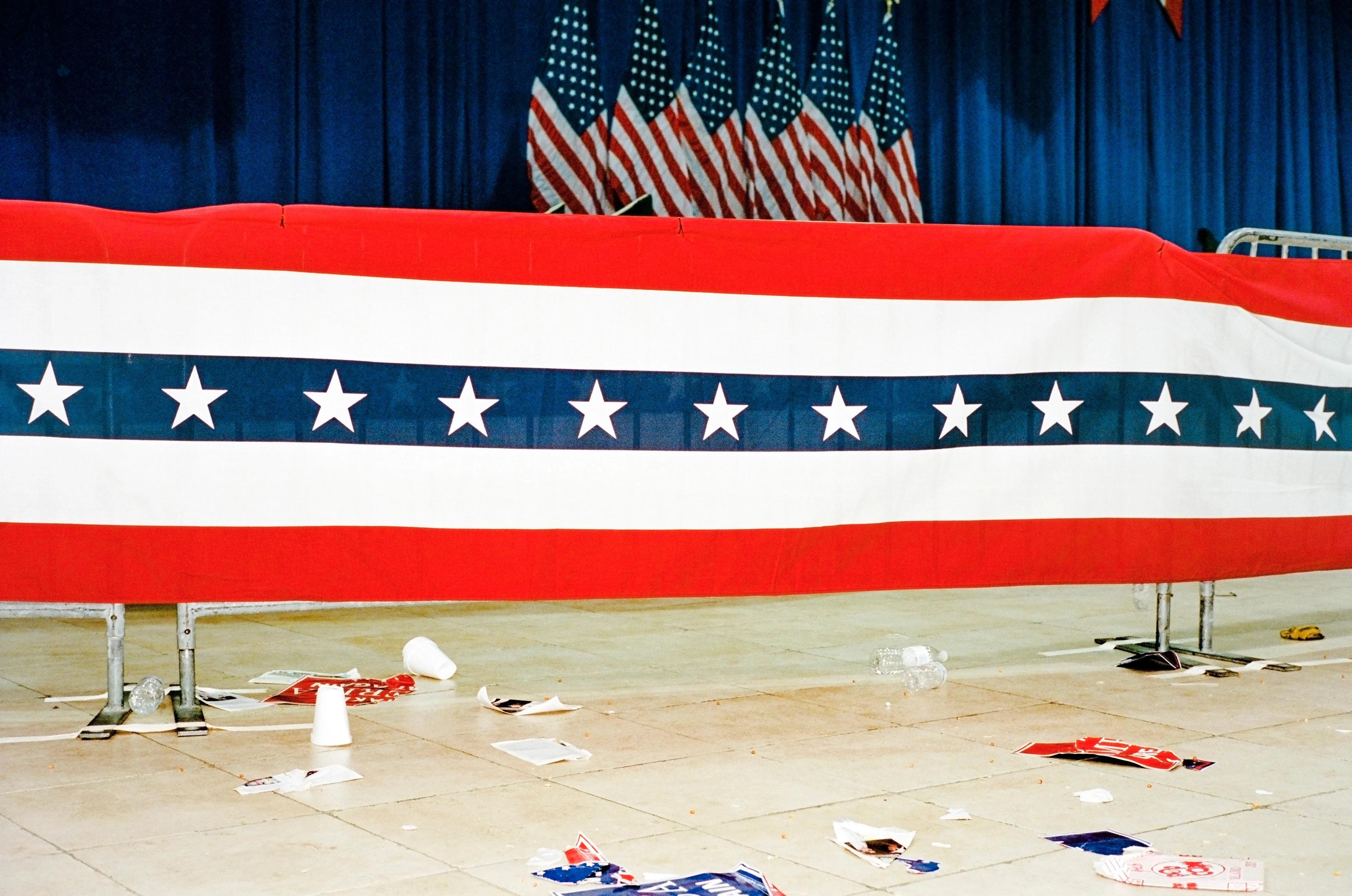
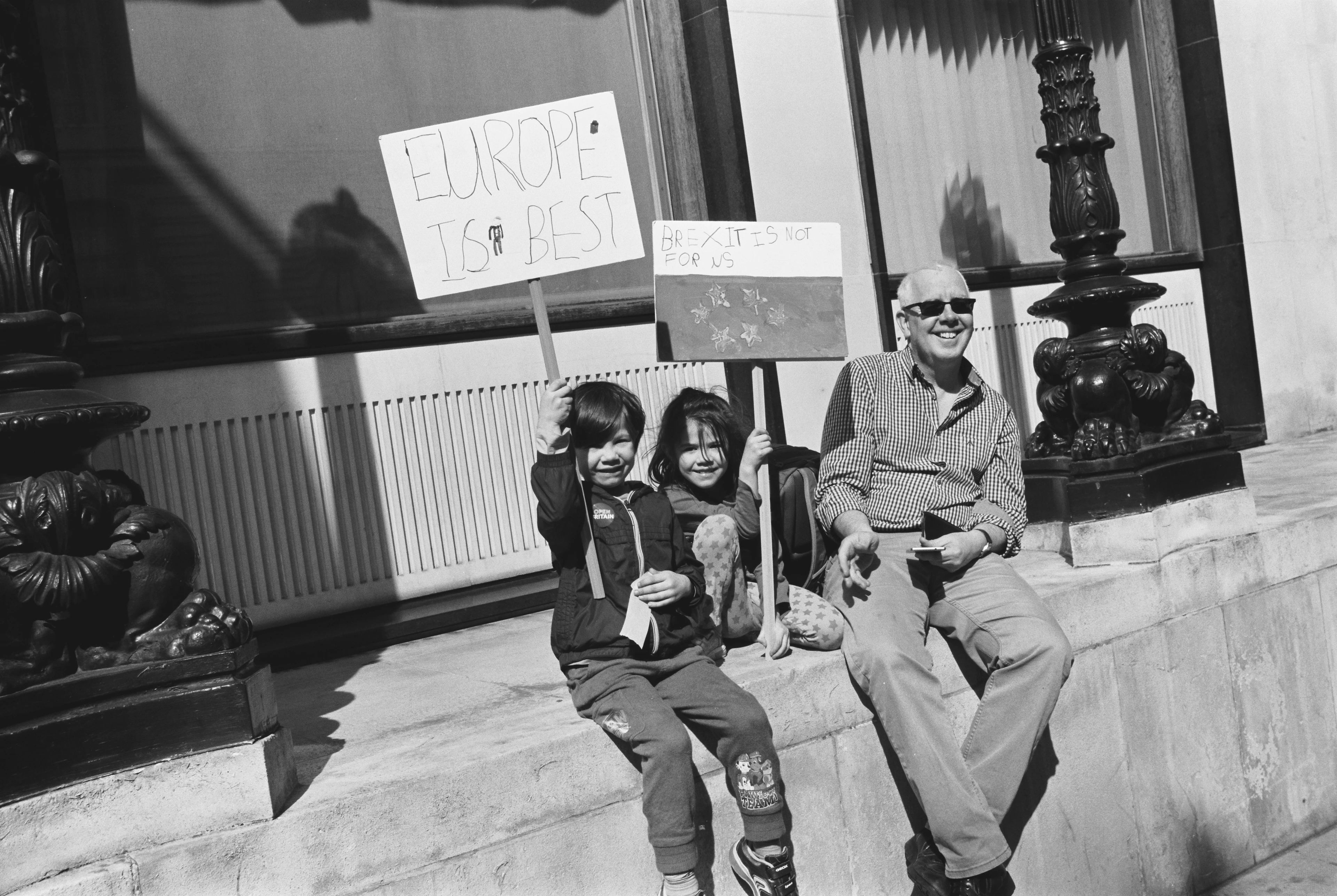
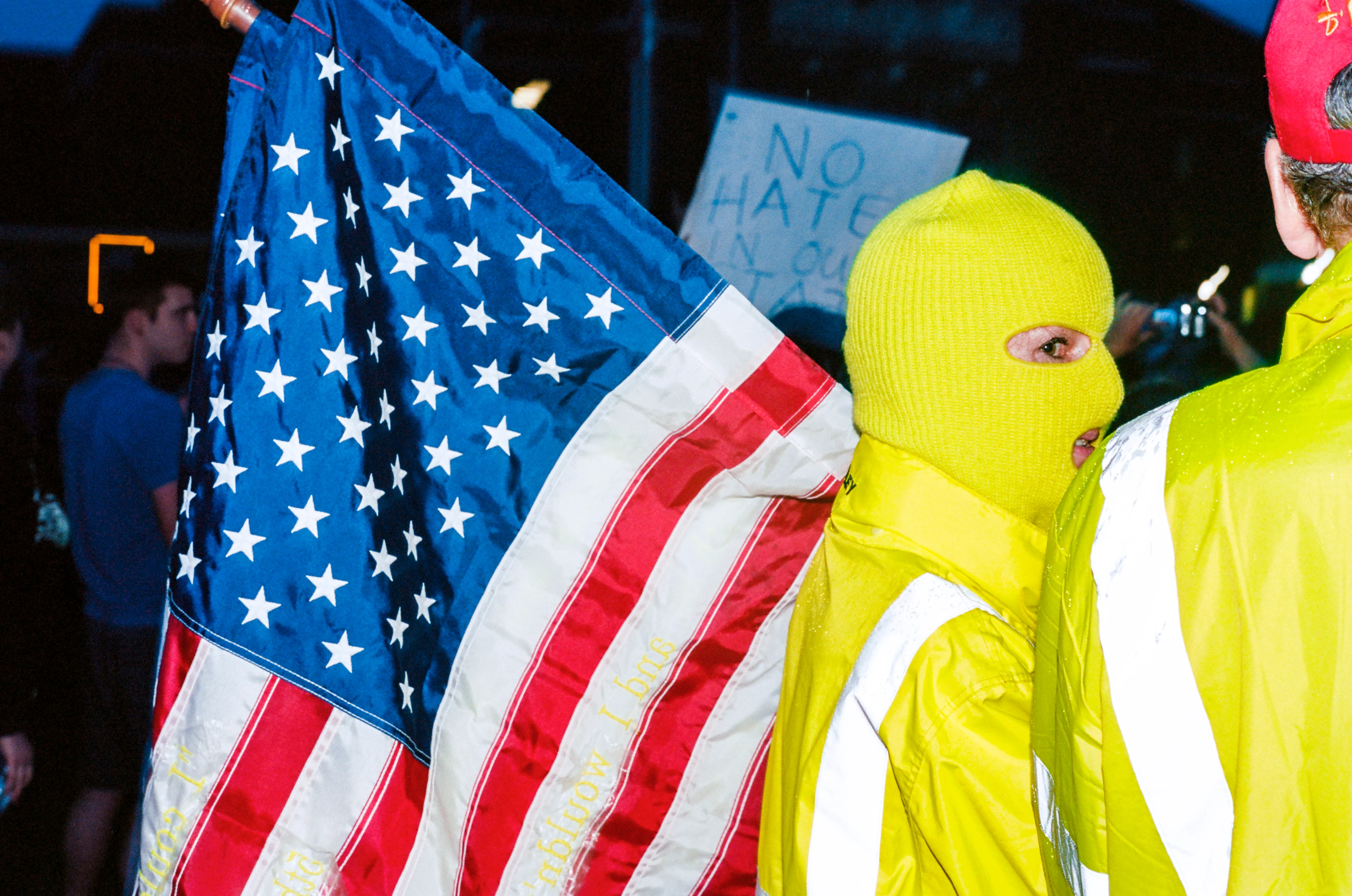
2016 marks a turning point: Brexit in Europe and the election of Donald Trump in the US are driving a huge wedge between political and social fronts. Previous debates are turning into decisive battles – for or against, in or out. News becomes fake news and images become red flags, evaluated and categorized immediately. From demonstrations against Brexit to cheers at Trump rallies, it is clear that photography is caught between the fault lines of a time when reality is drifting apart.

Small, Healing Moments
In charged times, Matt Stuart captures random scenes that provide a break from the chaos: accidental encounters, quiet harmony between strangers, and the humor of chance. These are small escapes into reality as it really is, yet so rarely perceived. Moments that demonstrate the existence of humanity, lightness, and, therefore, street photography amidst all the noise – as a discreet, fleeting, and sometimes salutary means.
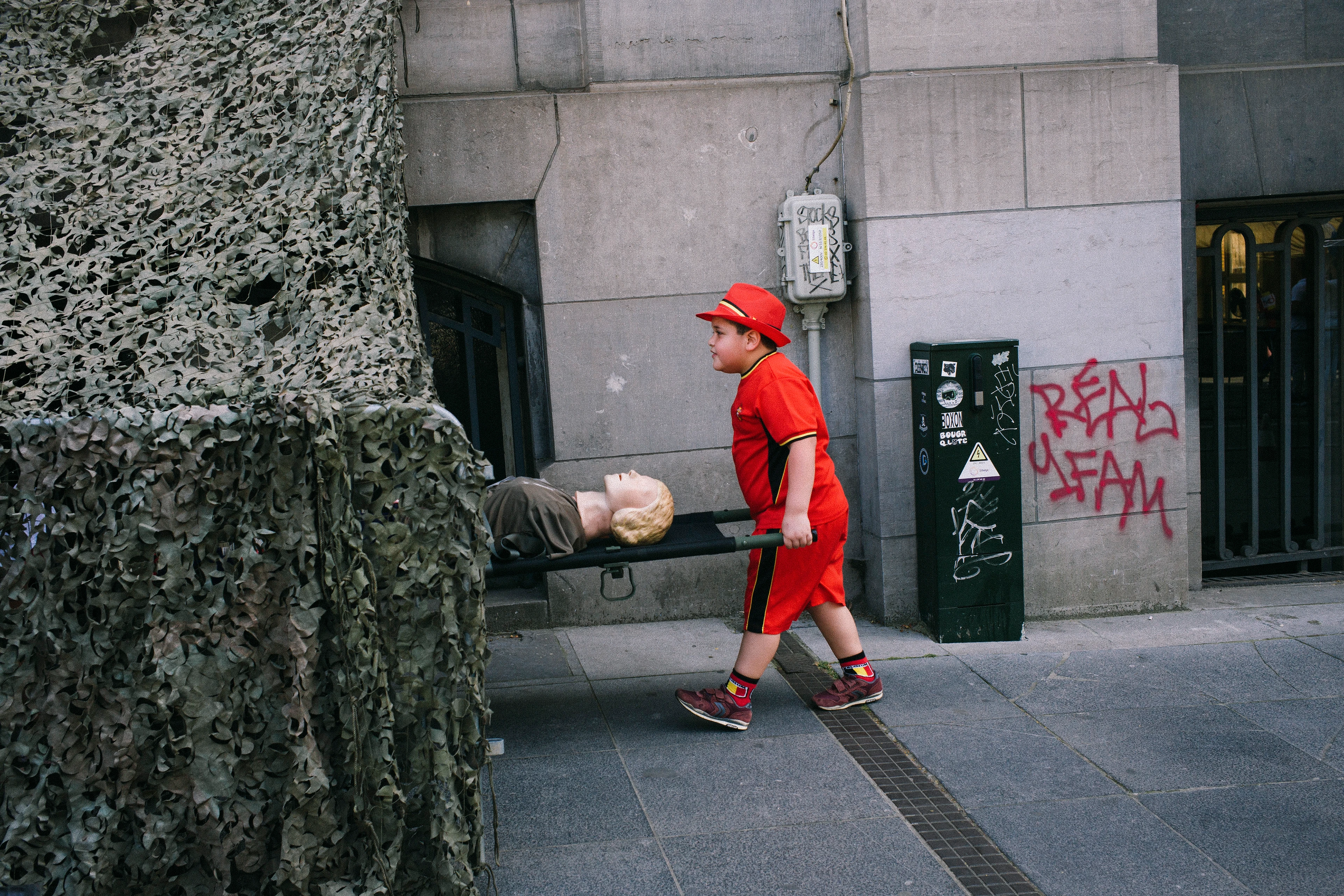
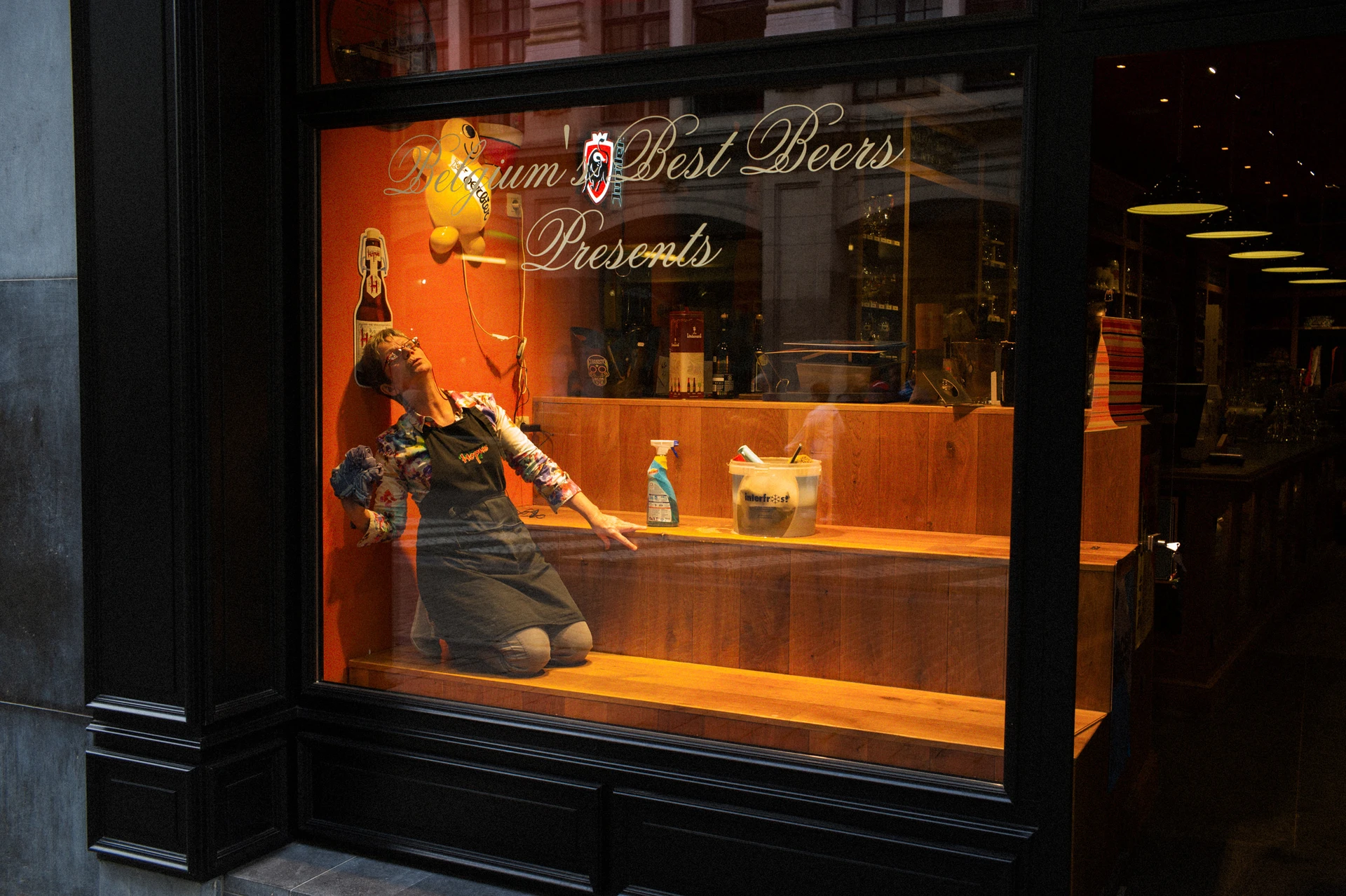
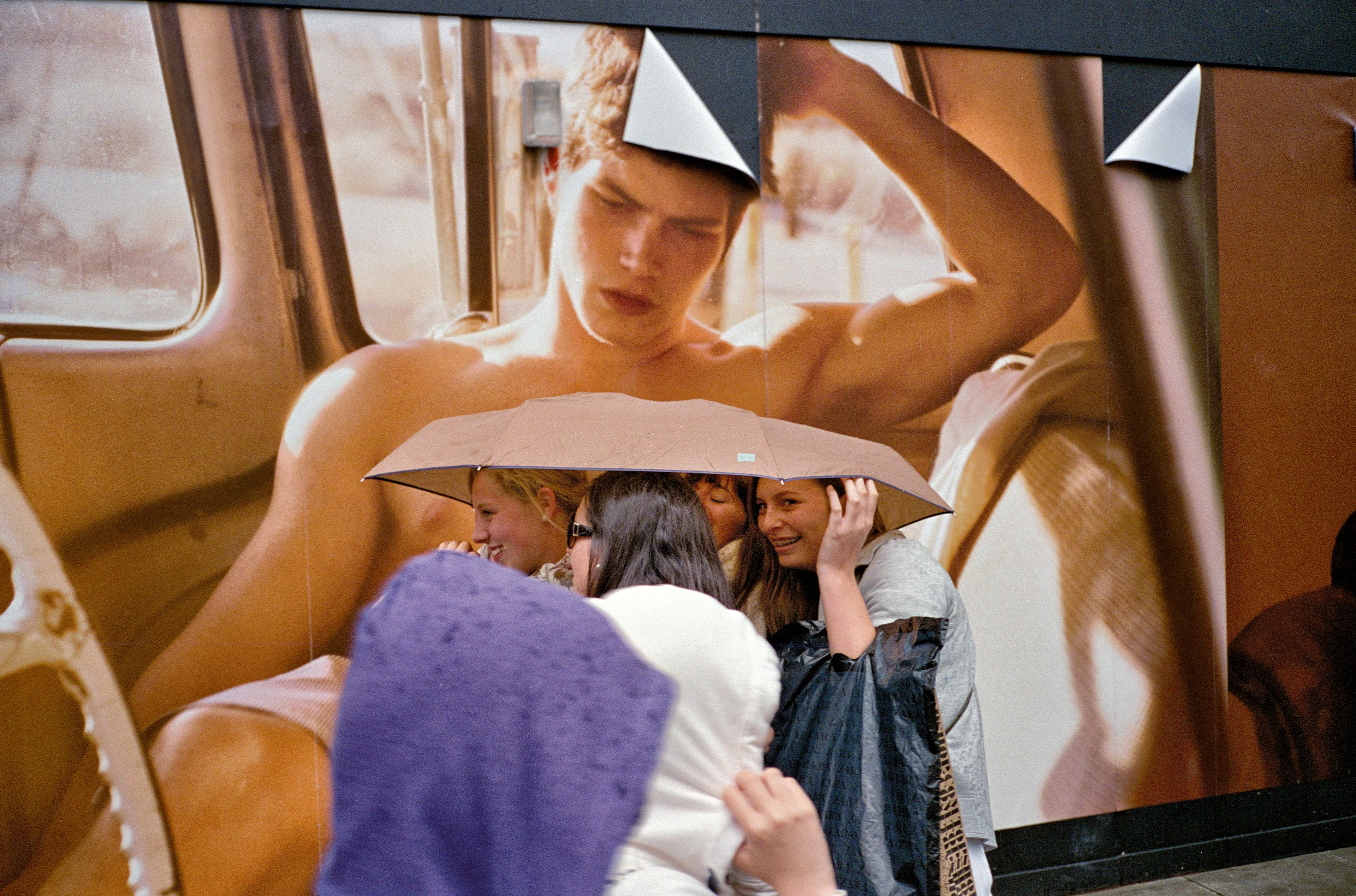
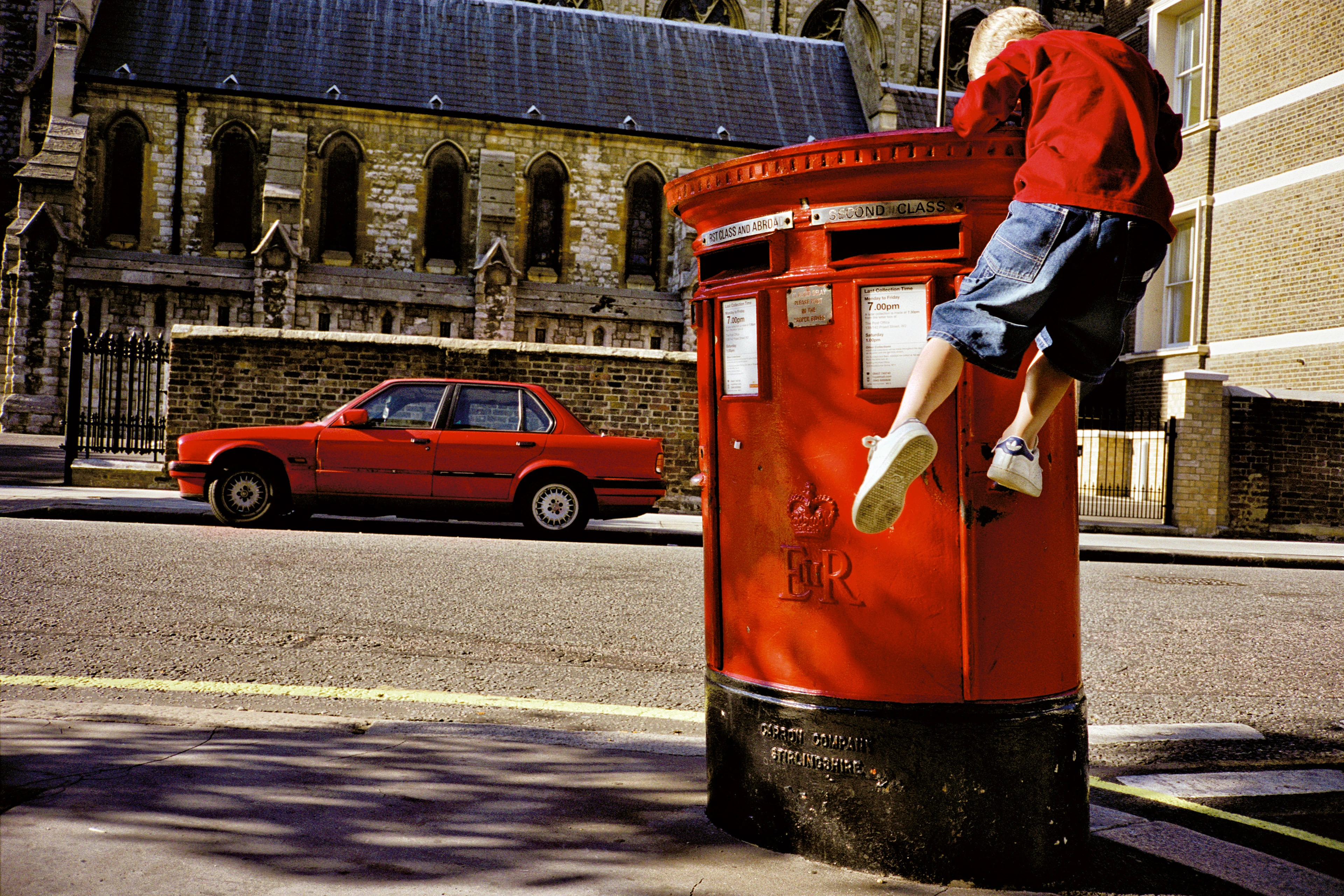
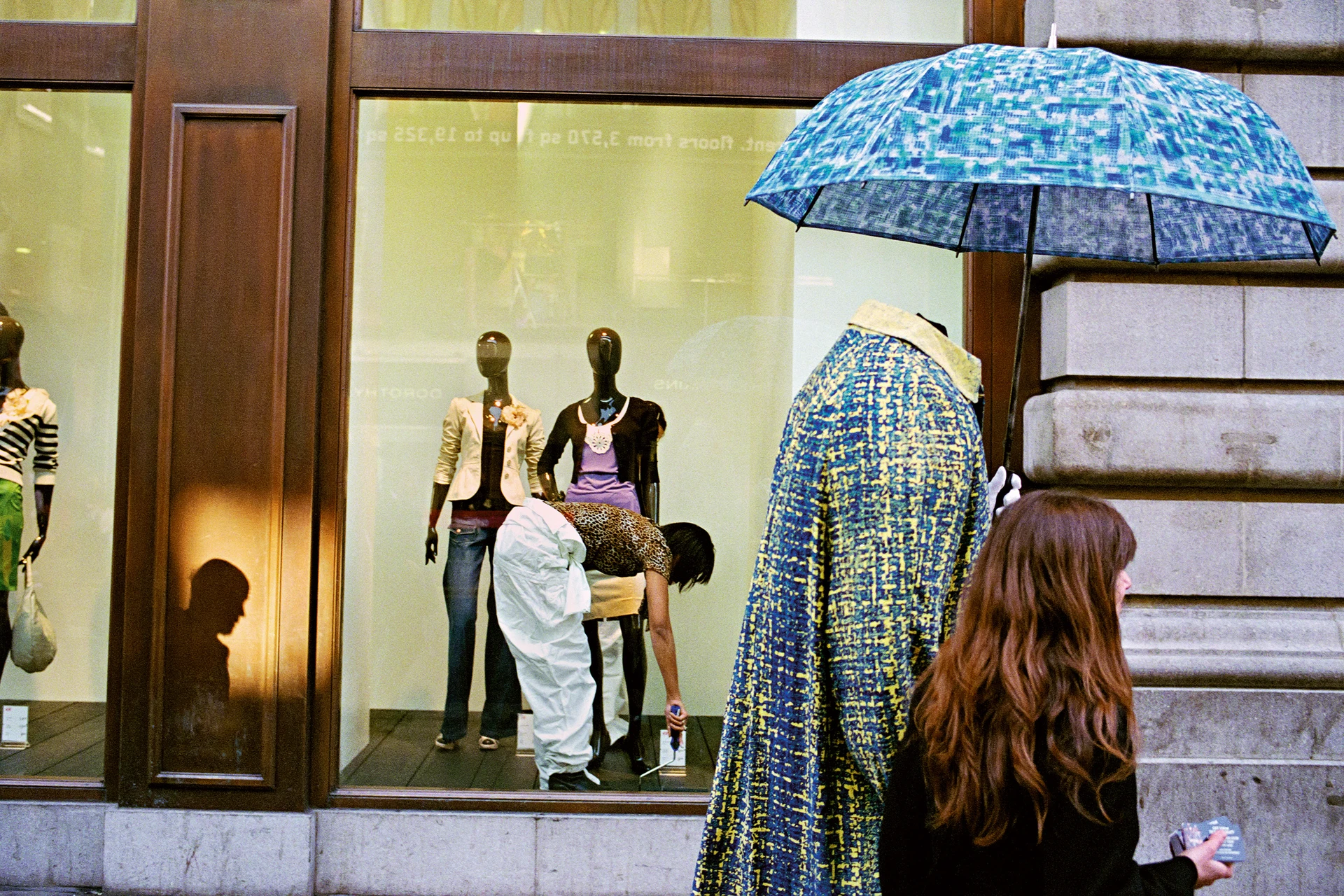
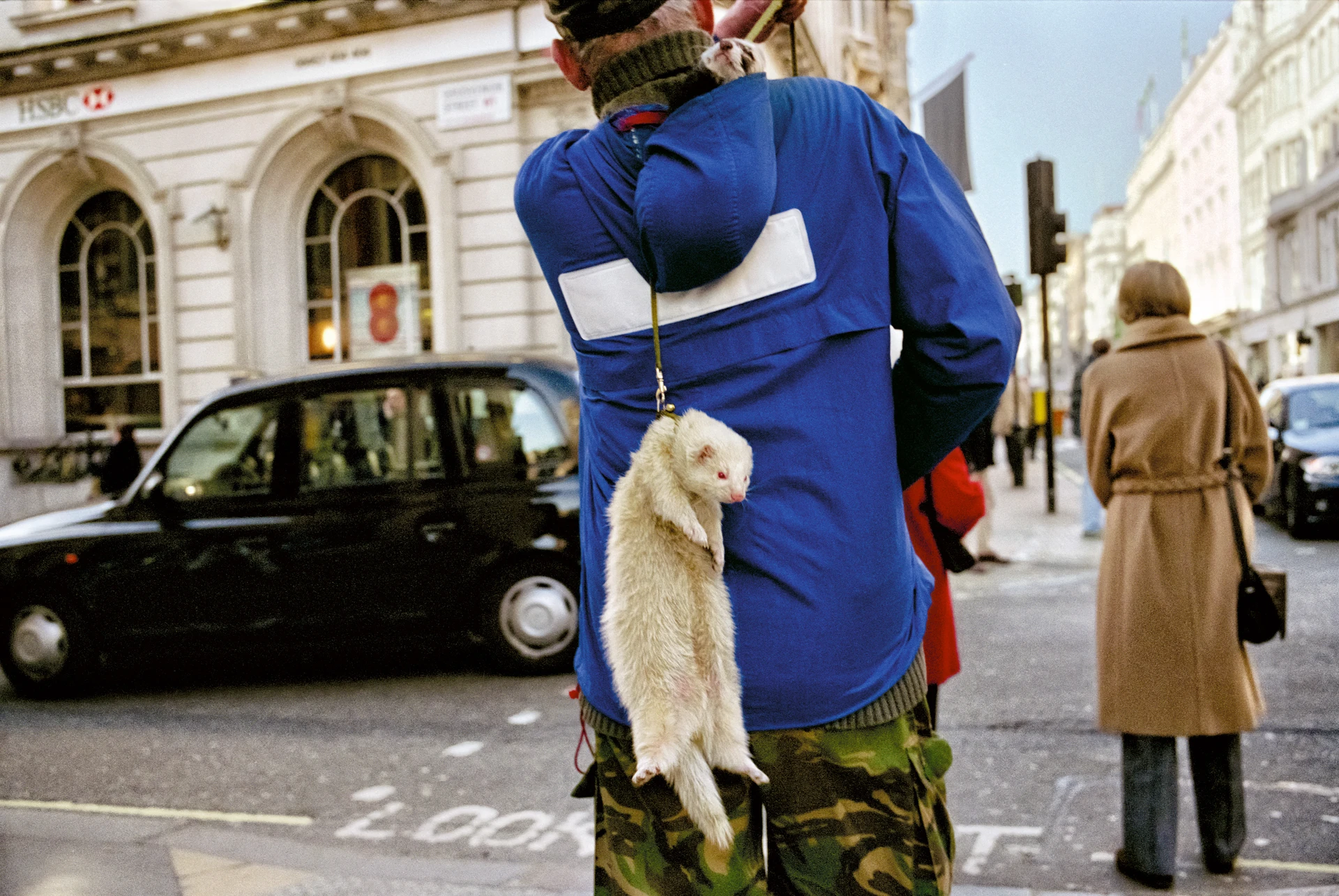
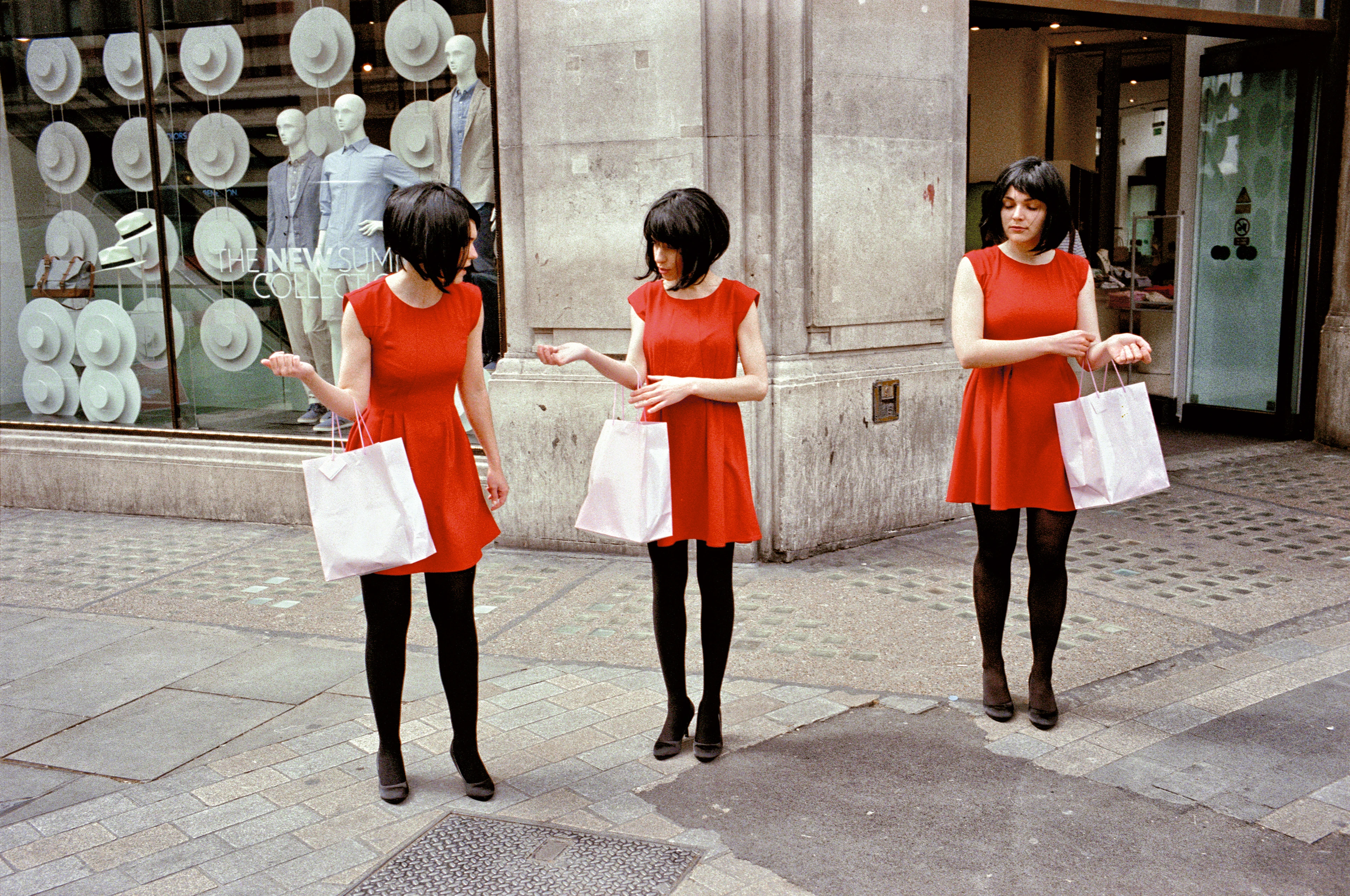

The wonderful thing about street photography is that you could never imagine the best scenes.– Matt Stuart