
Leica M9
Back to the future
The Leica M9 represents the celebrated debut of the M model within the digital full-frame format. The camera’s 18-megapixel CCD sensor, classic rangefinder design, and compatibility with all M-Lenses offer a harmonious blend of analog precision and digital innovation.
Leica X1
Compact Camera with the X-factor
The Leica X1 offers the quality of a DSLR camera in a compact format. Its APS-C sensor and the fixed Elmarit 24 mm f/2.8 lens deliver clear, brilliant images. Its minimalist design and manual operation make it a purist Leica for taking out and about.
Leica S2
Self-confidence.
The Leica S2 represents a significant step into the digital medium format. The camera combines Leica precision and outstanding performance for professional images that demand true greatness. It has 37.5 megapixels, newly developed S-Lenses, and DSLR handling.

LOBA 2000–09
Characterized by Cultural Change
Towards the end of the 00s, the Leica Oskar Barnack Award establishes itself as a distinguished global showcase for reportage. Karin Rehn-Kaufmann, who has been Art Director & Chief Representative of Leica Galleries International since 2008, professionalizes the jury, exhibition, and curatorial standards. The LOBA gains in relevance and reach thanks to her involvement. The award-winning series of this decade address social tensions, cultural change, and human dignity – themes that Leica and Rehn-Kaufmann consistently highlight.

2000
Luc Delahaye
Luc Delahaye’s work portrays a Russia in transition, navigating the period of post-Soviet disillusionment and human resilience. His large-format, mild, and quiet compositions condense everyday moments into symbolic scenes. In an era where the genres of reportage photography and Russian art are undergoing significant transformation, Delahaye’s work stands out by seamlessly blending documentary accuracy with a detached perspective – offering a unique perspective that straddles the line between reality and reflection.
2001
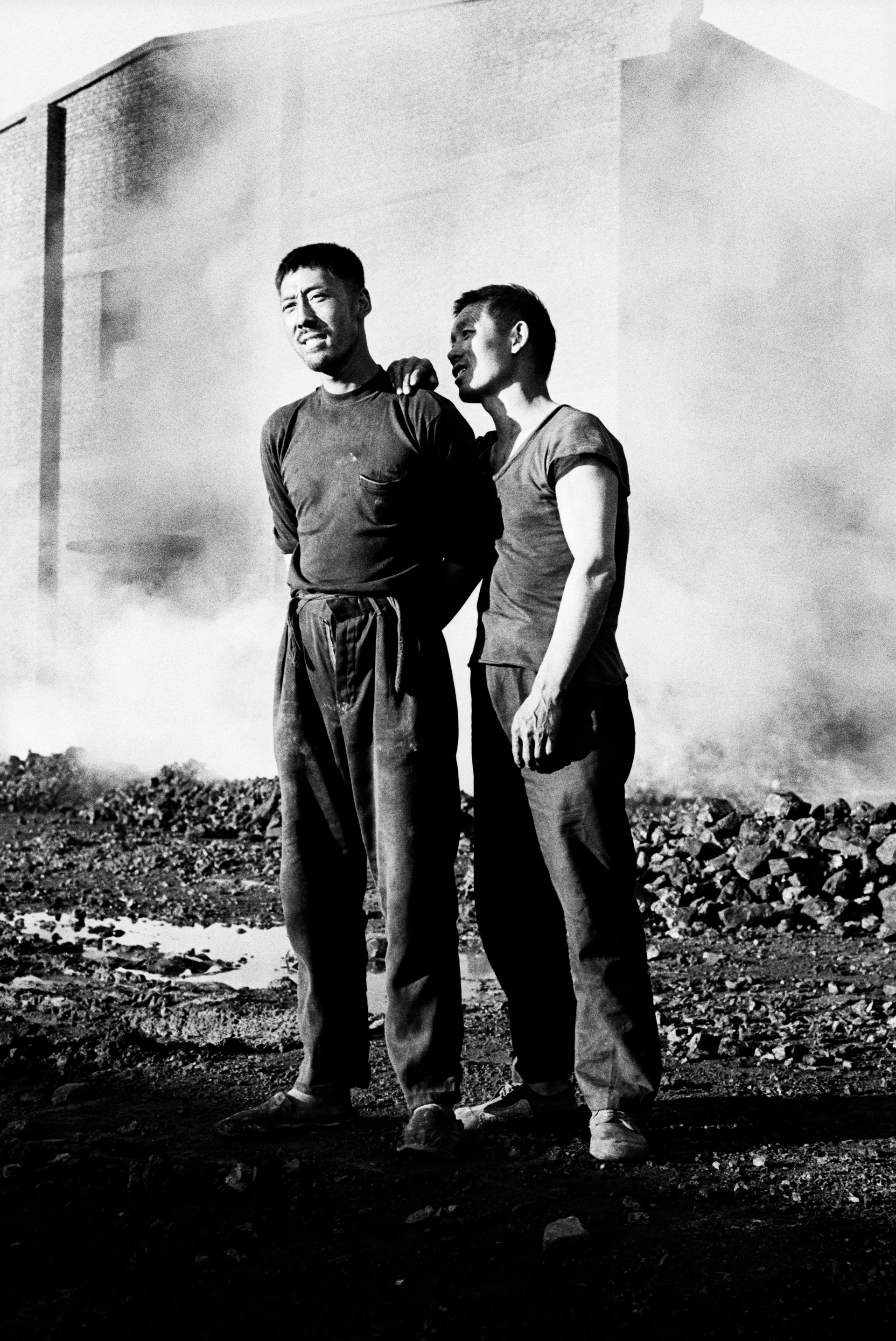
Bertrand Meunier
Meunier’s strong black-and-white motifs depict a China in a state of upheaval that is not often seen. The focus is on the decline of major Chinese industrial cities and, most notably, the challenging conditions faced by workers who demonstrate remarkable resilience in the face of adversity.

2002
Narelle Autio
In Narelle Autio’s work, Australia’s beaches are depicted as magical spaces where light, water, sand, and people merge. Her series reflects the early 2000s zeitgeist, with its emphasis on lightness and belonging. Autio’s photographs depict colors, reflections, and movement, celebrating the fragile balance between environment and joie de vivre. Simultaneously, she poses a question regarding the definition of “home” in the context of globalization.
2003
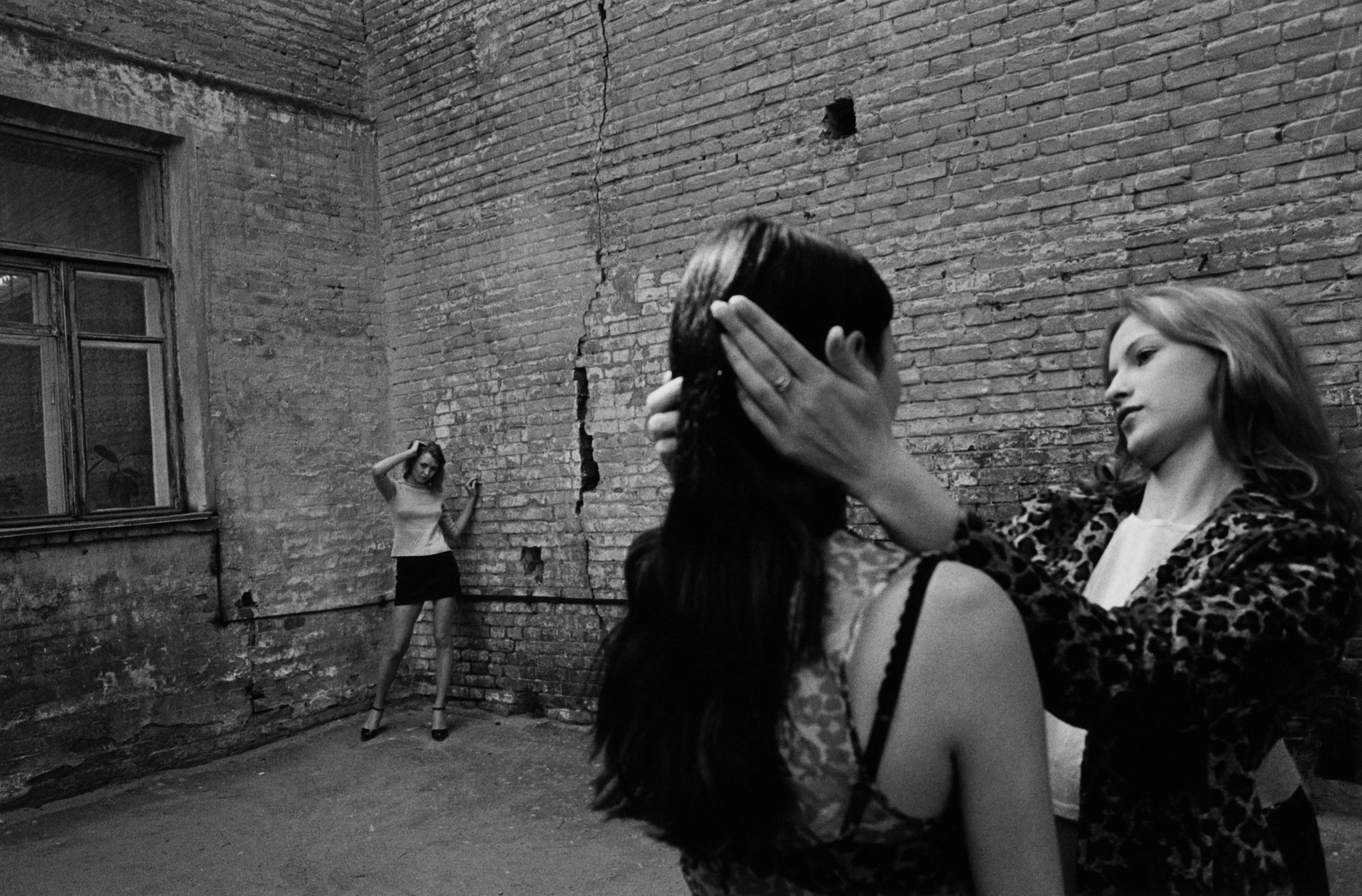
Andrea Hoyer
From 1998, Andrea Hoyer travels through the post-Soviet countries with her Leica M6, capturing cities, beaches, and expanses. Her series captures human memories and the silence between the ruins. Silent spaces, architecture, and bodies become part of a composition that tells of identity, loss, and memory. The works are characterized by great inner peace and visible closeness.
2004
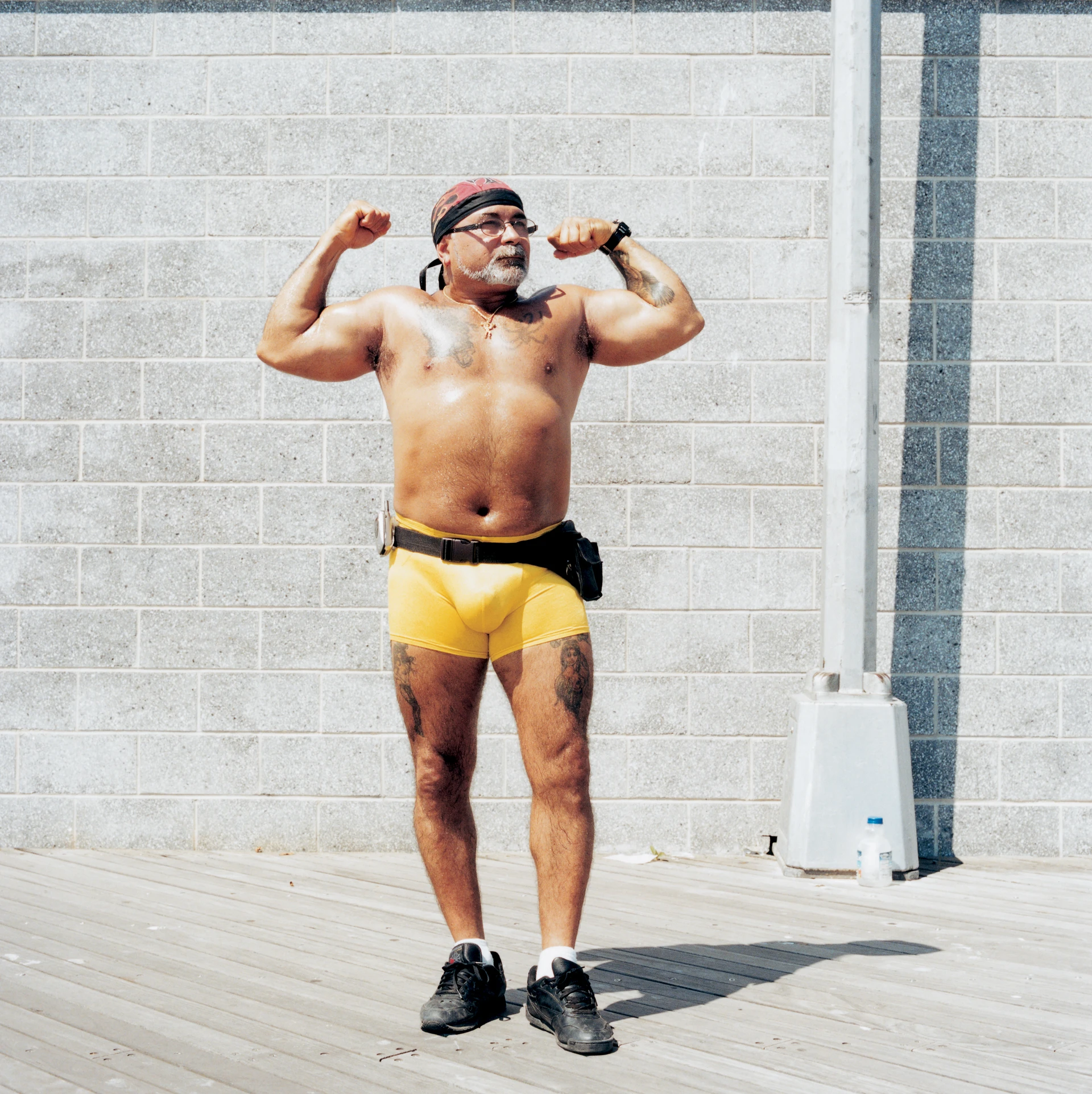
Peter Granser
Peter Granser’s work offers a subtly humorous yet incisive perspective on the American leisure paradise of Coney Island, portraying it as a symbol of a society caught between affluence and alienation. His images are characterized by a clear compositional style, depicting people engaged in various activities, such as playing, waiting, and dreaming, set against a backdrop of vibrant yet delicate surfaces. In the USA of the early 2000s, shortly after 9/11, the series appears to be a thoughtful exploration of the return to distraction.
2005
Guy Tillim
Guy Tillim’s documentary style focuses on the city of Johannesburg in the post-apartheid era, capturing its dualistic nature as a place of both opportunity and social division. His photographs depict residents, streets, and facades marked by history and new growth. In the global discourse on inequality and urban change, Tillim’s work offers a candid, authentic perspective on the African continent, characterized by proximity, respect, and the avoidance of clichés.
2006
Tomás Munita
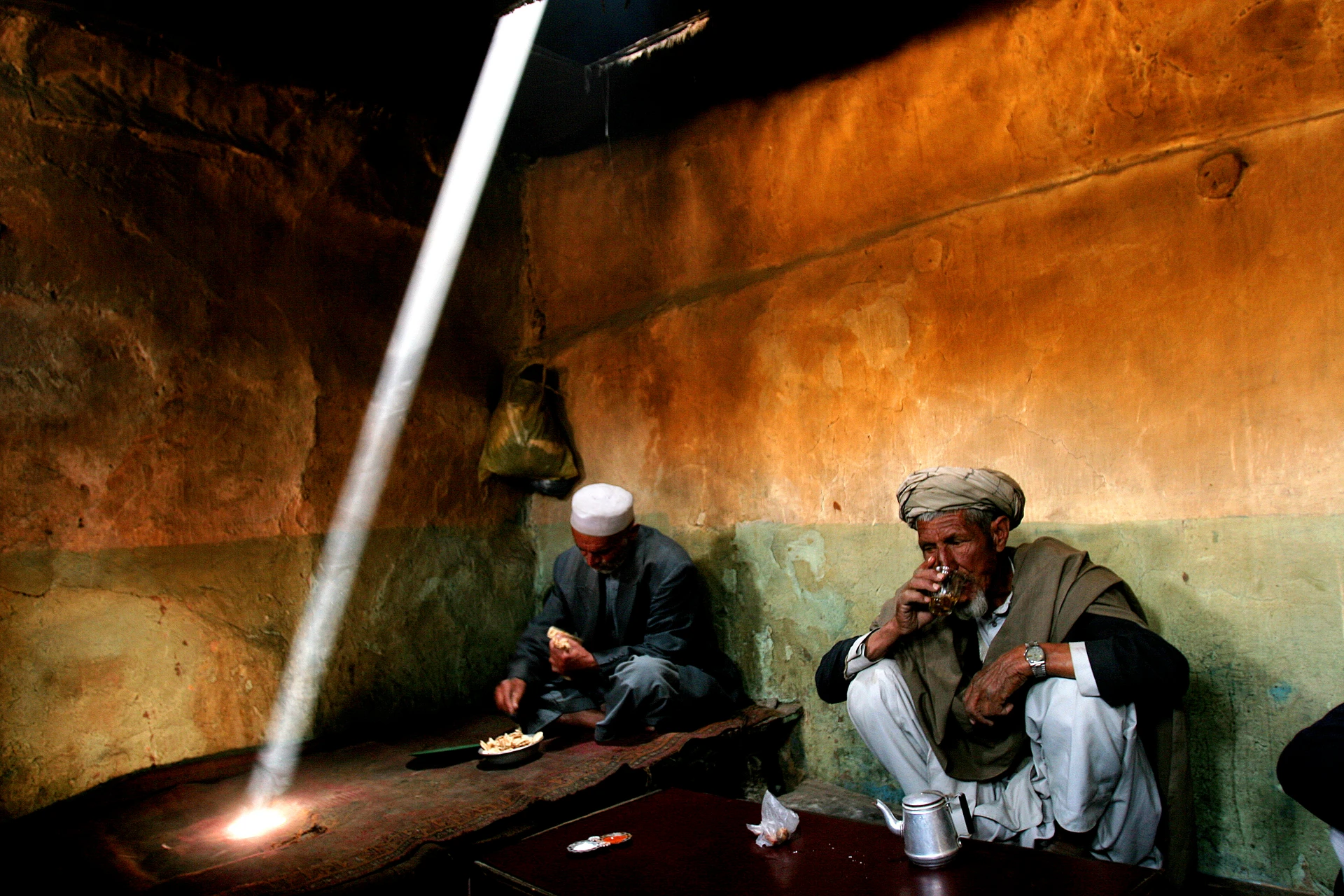
Tomás Munita’s works focus on the social and economic developments in Afghanistan following the fall of the Taliban. His pictures convey dignity, exhaustion, and a country caught between awakening and destruction. In an era where images of war frequently serve as symbols, Munita captures the serene moment in between – the gaze that speaks volumes. His series underscores the significance of empathy in crisis photography.

2007
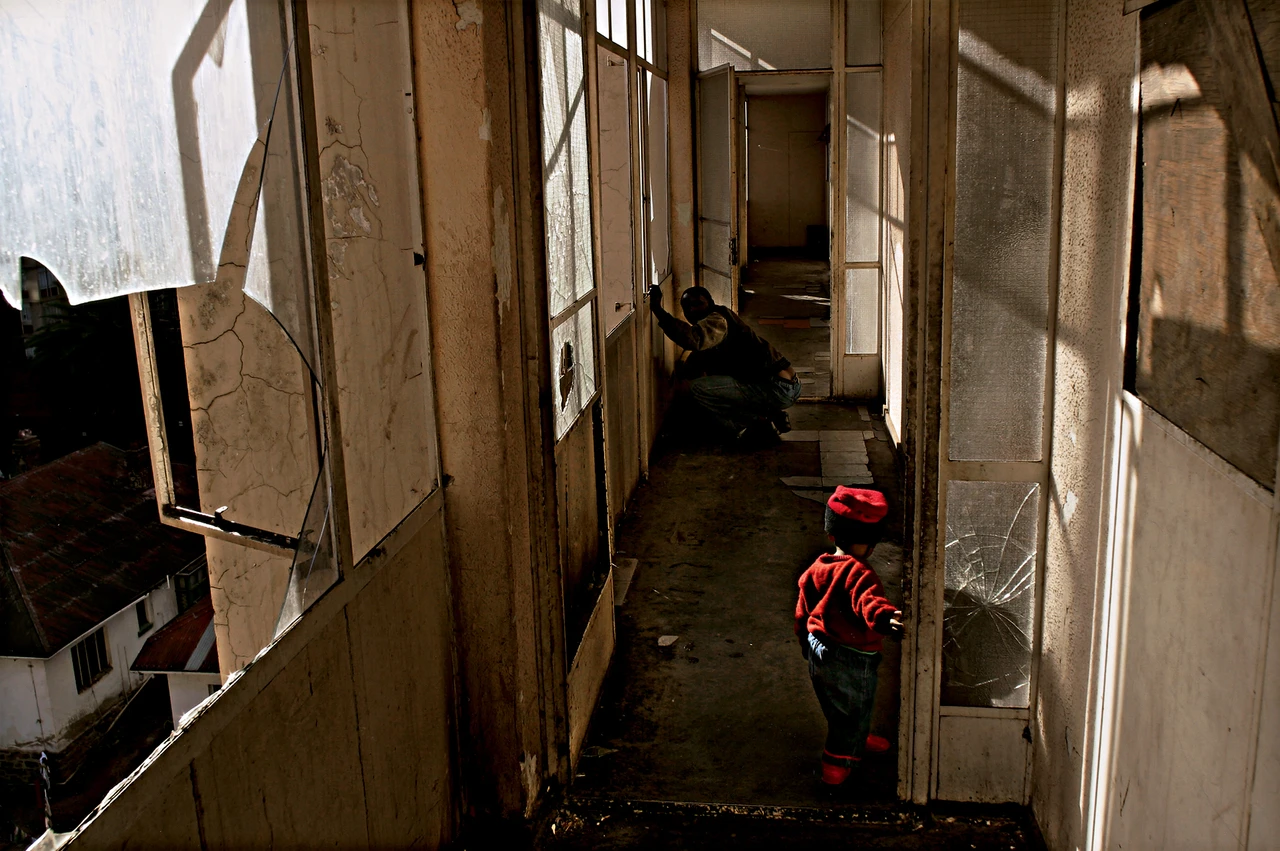
Julio Bittencourt
In the derelict apartment building known as “Prestes Maia” in São Paulo, Julio Bittencourt chronicles the endeavors of individuals reclaiming space and dignity. Through windows and façades, he observes their everyday lives on the fringes of society and creates intimacy through distance. In the context of the present social tensions and growing inequality in Brazil, the artist’s series can be regarded as a quiet manifesto for greater visibility and authentic community.
2008
Lucia Nimcová
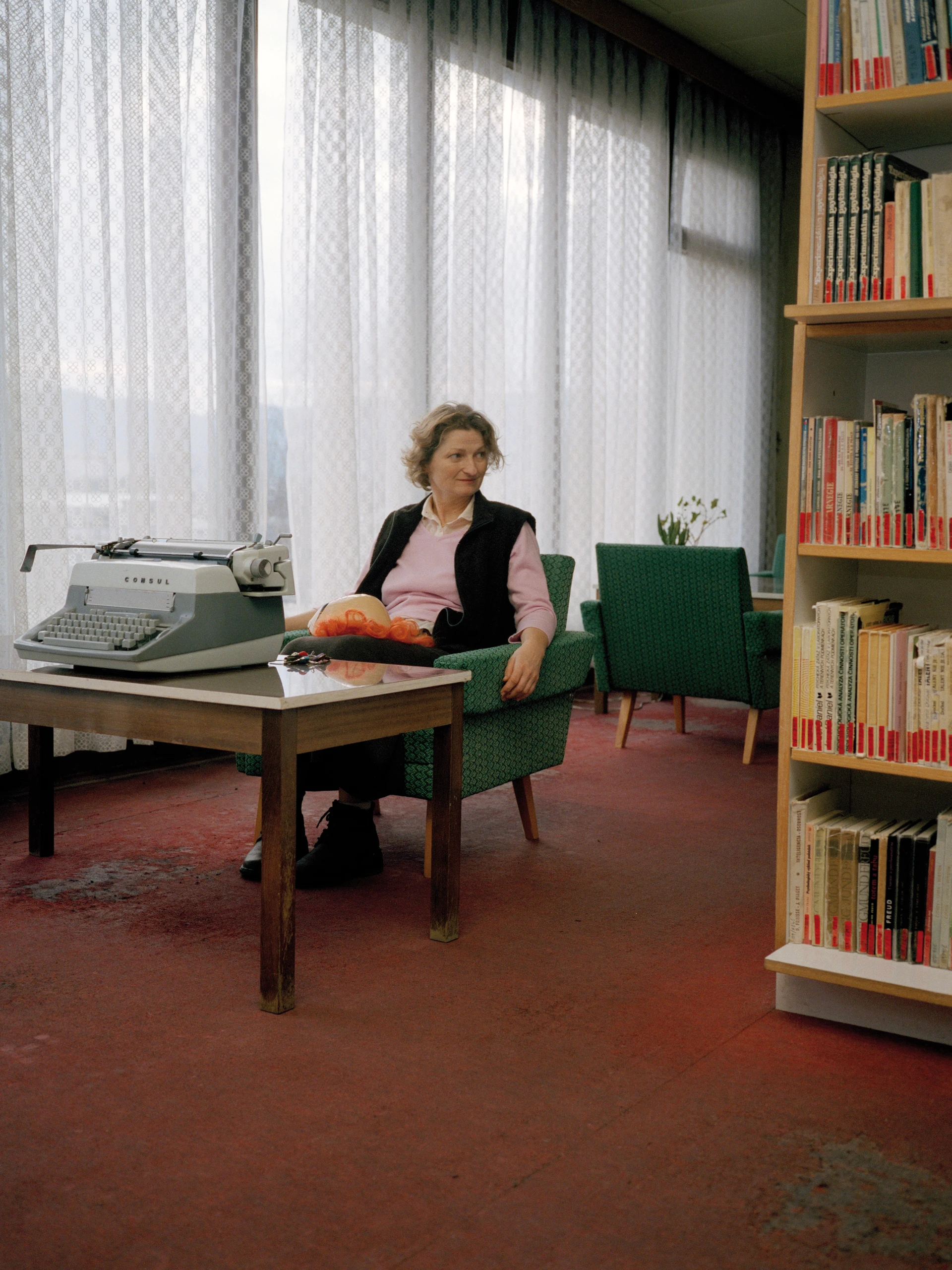
Lucia Nimcová presents a depiction of everyday life in her hometown in Slovakia: the focus is on women, families, and dwellings situated between memory and the present. Her photographs combine documentation and staging, reality and memory. These creations emerge during a period of cultural reinterpretation in Eastern Europe, at the intersection of adaptation and identity. Nimcová finds beauty in uncertainty, poise in privacy.
2009
Mikhael Subotzky
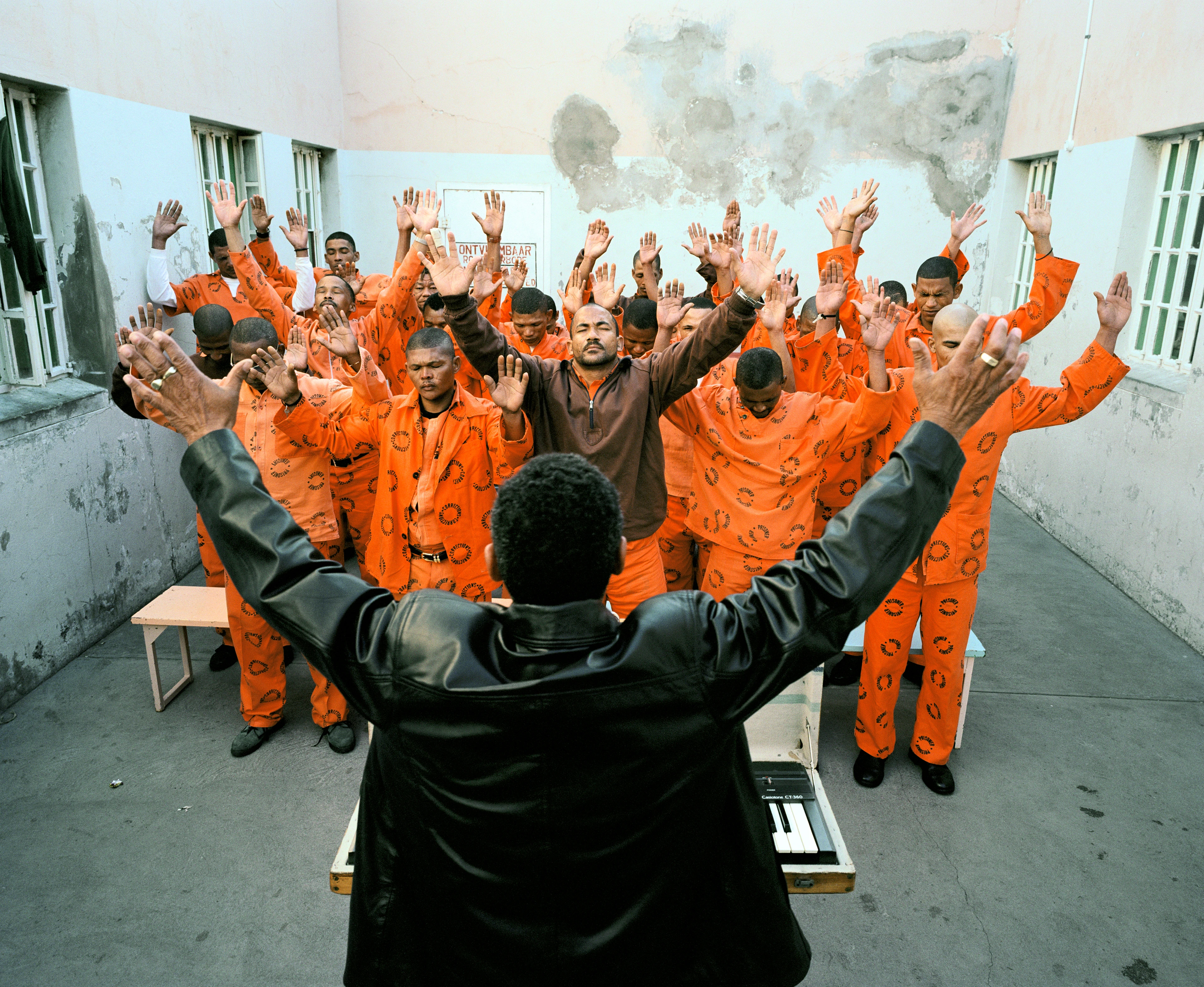
In the series Beaufort West, Mikhael Subotzky examines the social structure of a small South African town: the facilities in question are a prison, an agricultural site, and a gas station. The focus is placed on individuals who remain, despite the prevailing turbulence. His images are precise, analytical, and deeply empathetic. In a globalized world rife with inequality, his work embodies a commitment to responsibility and a photographic style that challenges the conventional perspective.

I firmly believe that photography – even a single image – has the capacity to effect change in people’s perceptions of a given issue.– Karin Rehn-Kaufmann