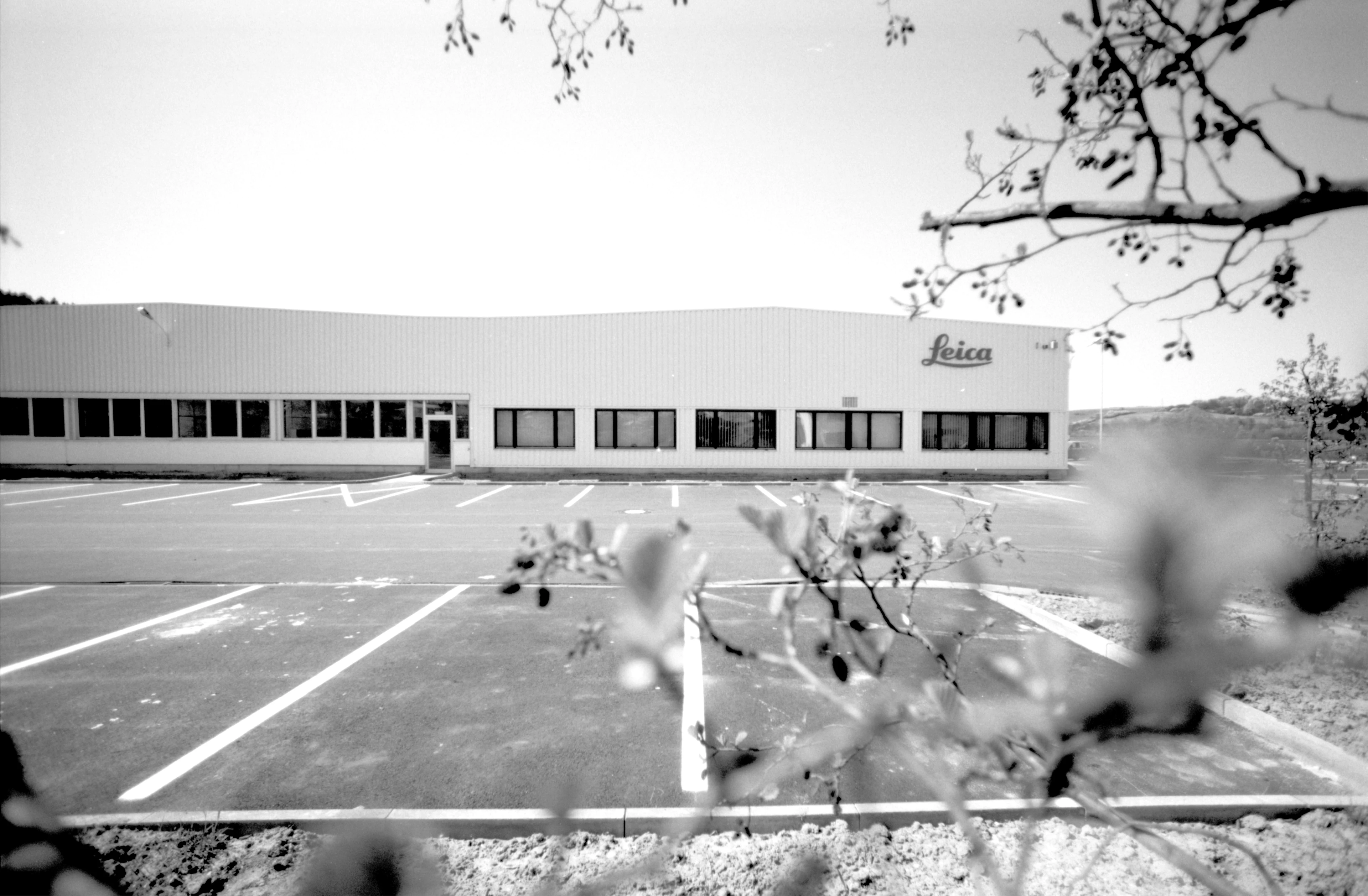
Leica GmbH in Solms
The Camera Becomes a Brand, and Moves Out
Sixty-one years after the launch of the Leica I, an event occurs that is widely regarded as the pinnacle of recognition in product development: the product name becomes the company’s own brand. In 1986, the photography division of the Leitz company is officially restructured and renamed Leica GmbH. As part of its newly established independence, Leica relocates in 1988 to a purpose-built factory in Solms, a town situated near its historic birthplace of Wetzlar. In the following year, the Leica Group is established, consolidating international branches and operations under the newly formed – yet historically resonant – Leica umbrella.

LOBA 1981–89
Against Misery
The earliest recipients of the Leica Oskar Barnack Award in the 1980s focus on the more somber aspects of that turbulent era, capturing scenes of human suffering and conflict shaped by man-made circumstances. Yet amid it all, moments of resistance, hope, and dignity continue to shine through. In the shifting space between despair and hope, the LOBA has, from the outset, served as a platform for remarkable humanistic narratives – offering an authentic record of contemporary history.
1981
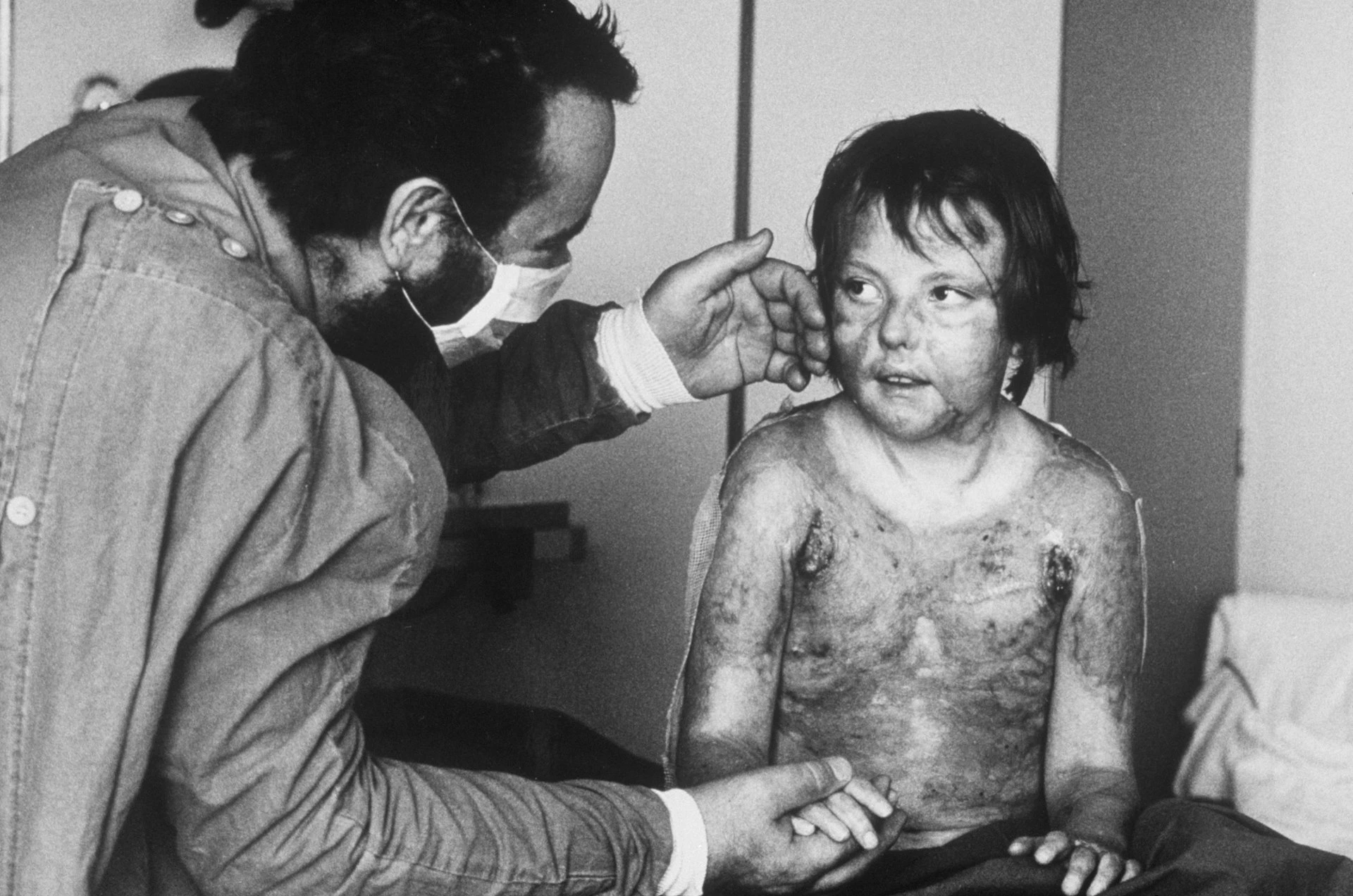
Björn H. Larsson Ask
Following Floris Bergkamp, Larsson Ask is named the second recipient of a LOBA. His unflinching series, documenting a girl covered in burns through skin transplants and recovery, conveys the raw pain and resilience of human healing with a deeply empathetic gaze. It conveys both medical advancement and profound existential experiences with striking personal intensity.
1982
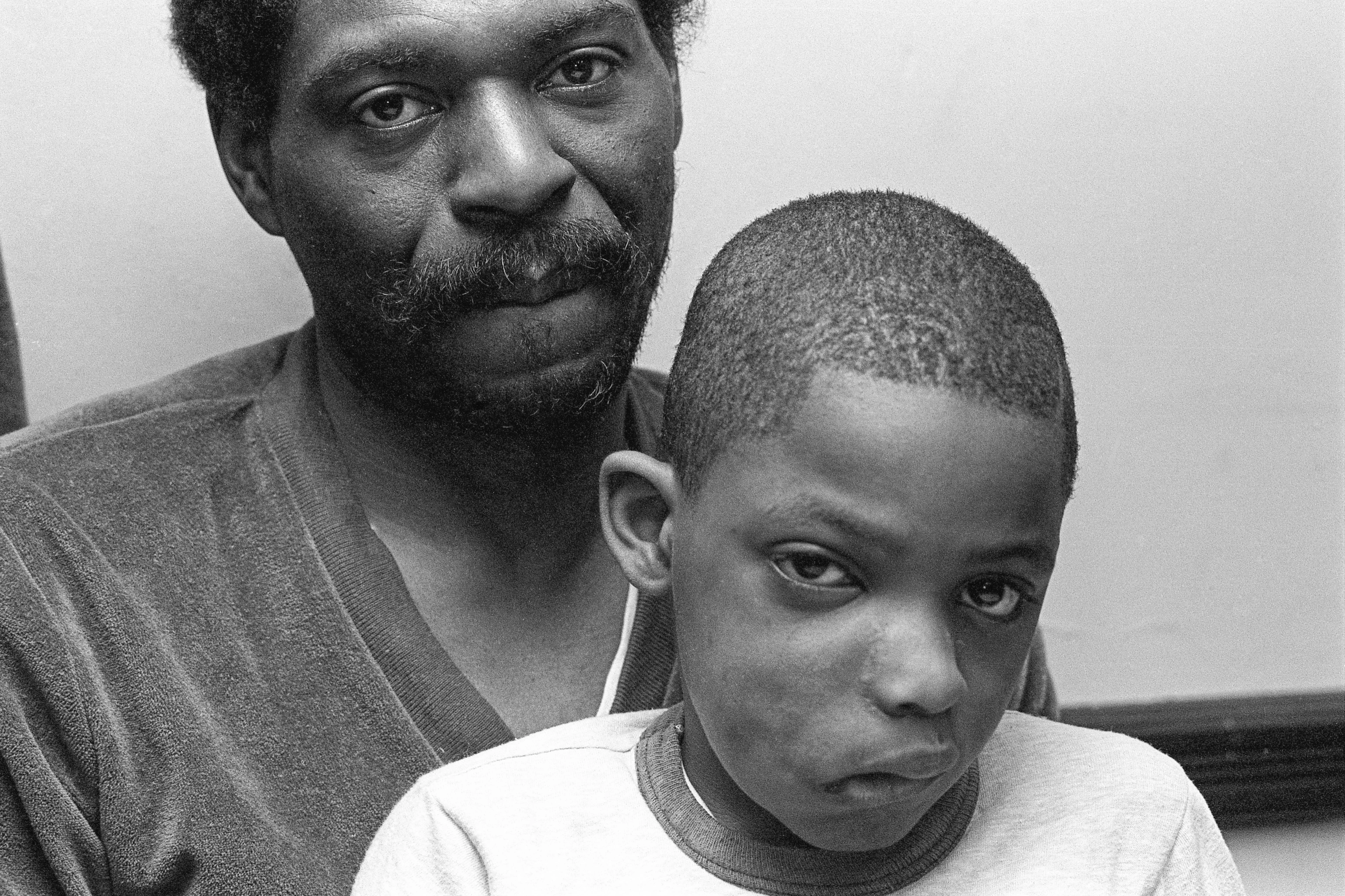
Wendy Watriss
While politics and world affairs appear to forge ahead with a certain indifference, Wendy Watriss’s reportage bears witness to the enduring and often harrowing consequences of wartime decisions and atrocities: physical disfigurement and social isolation shape the lives of the veterans depicted here, who continue to endure the lasting effects of Agent Orange following the Vietnam War. In the early 1980s, as the United States is locked in the Cold War arms race, these images serve as a sobering counterbalance.
1983
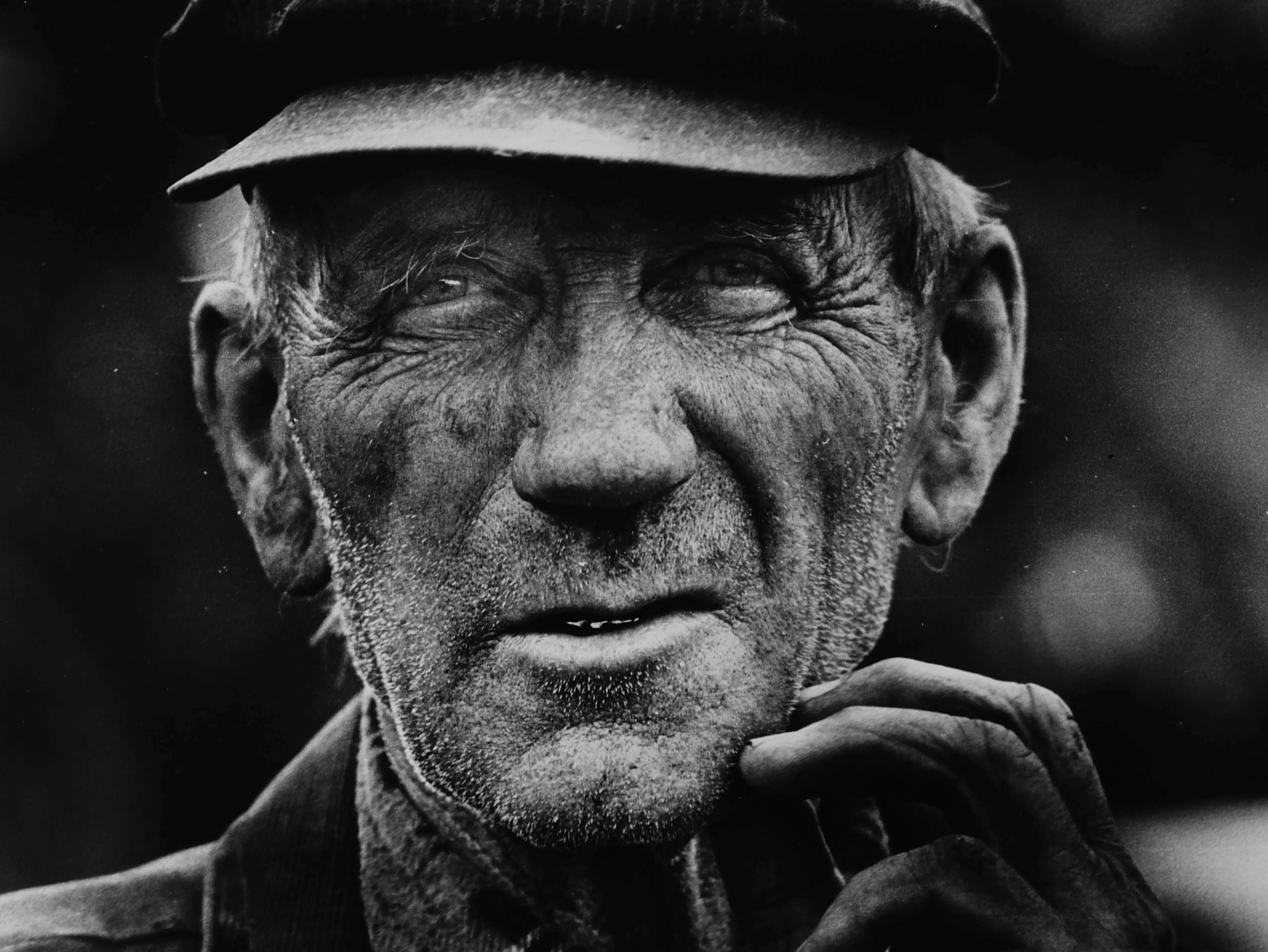
Neil McGahee
McGahee depicts two elderly farmers in Minnesota striving to preserve their way of life. Their expressions and movements reflect the rigors of rural life, yet also convey an innate sense of pride and steadfastness. The series documents a world and its values at risk of disappearing beneath the shadow of urbanization and the accelerating technological progress of the 1980s.
1984
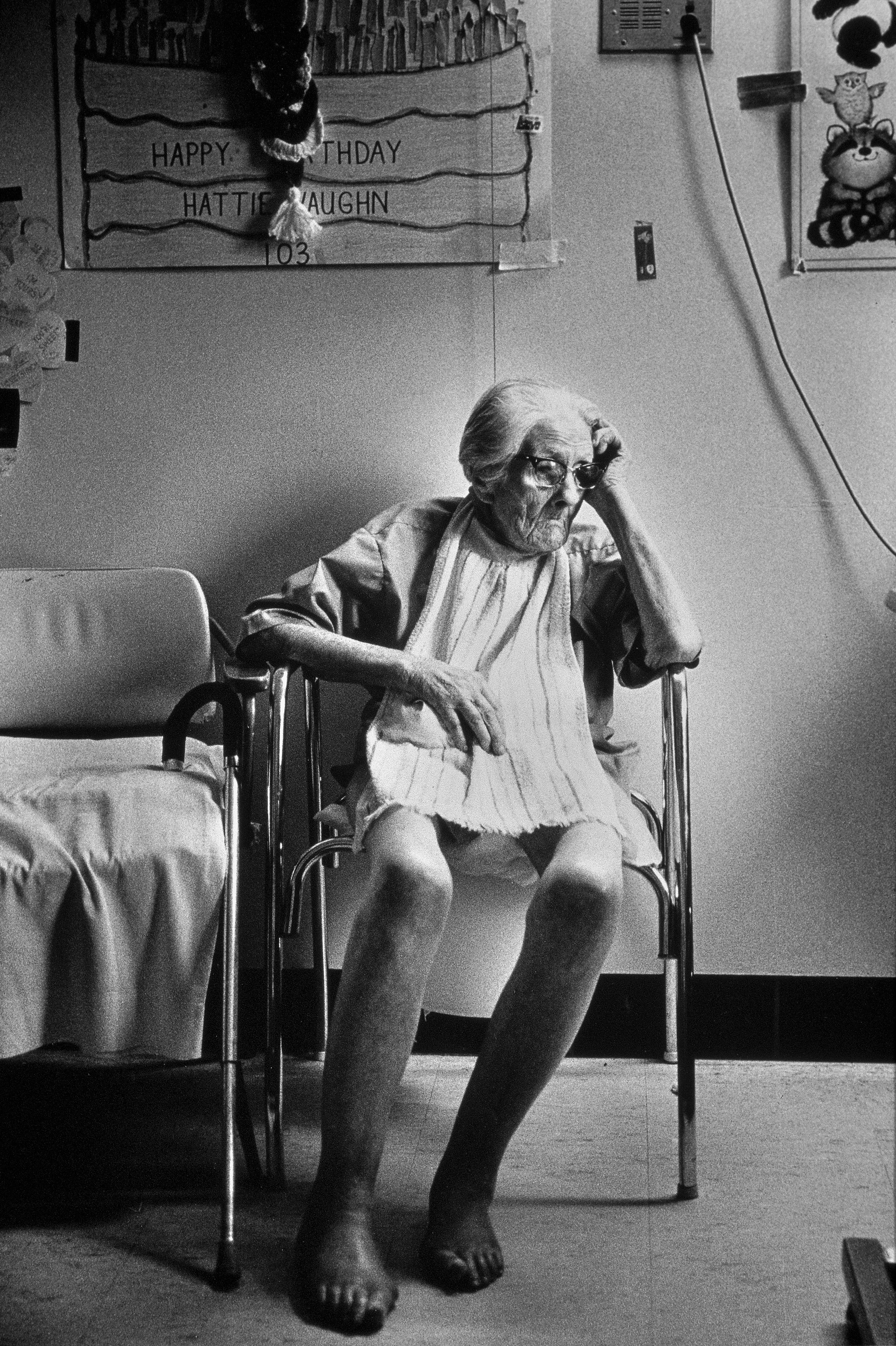
Stormi Greener
In an age dominated by youth culture, Greener turns her attention to a theme that is otherwise frequently overlooked: the dignity and worth of a long life. Her series documents the daily life of a 106-year-old woman. Intimate moments of personal care, mealtimes, and quiet routines offer a glimpse into aging as a shared human experience.
1985
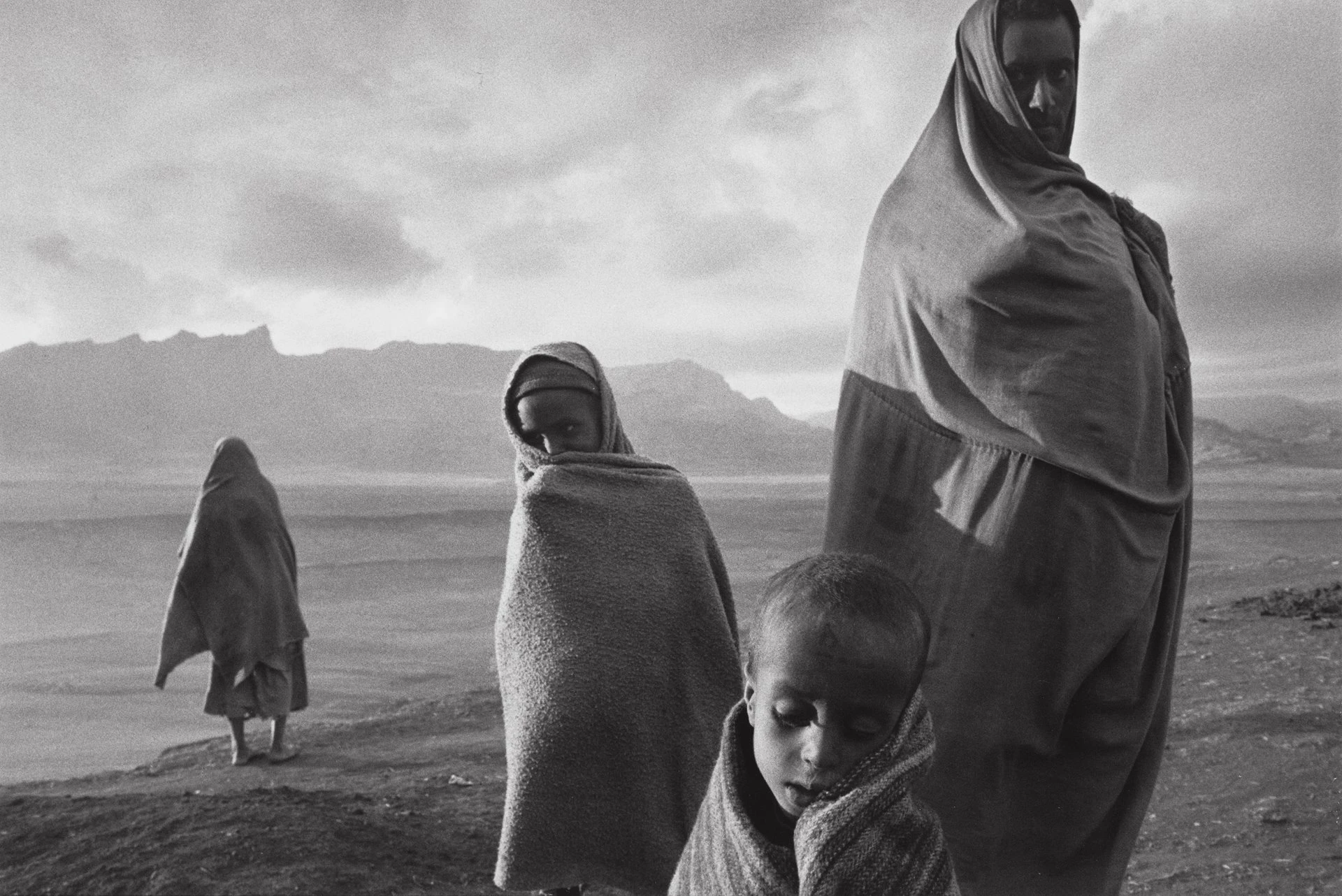
Sebastião Salgado
His stark images of emaciated bodies and weary expressions reverberate around the globe: Salgado captures the Ethiopian famine with his unmistakably graceful visual language – an approach that, rather than softening the impact, intensifies the emotional gravity of the crisis. This series exemplifies Salgado’s humanist vision – epic in scale, powerful in emotion, and deeply political. Amid global economic crises, the photographs become testimonies to the harsh consequences of structural inequality.
1986
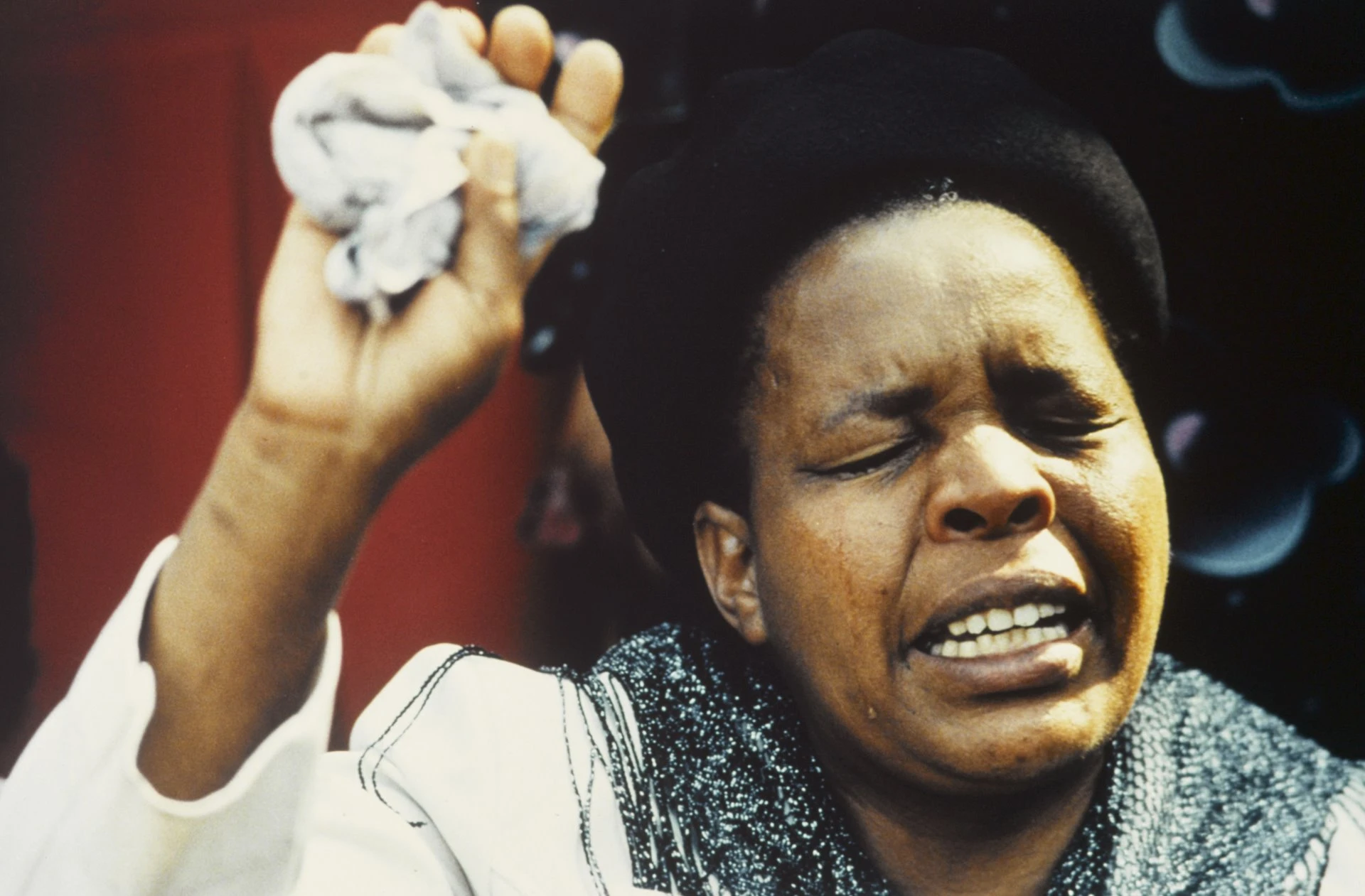
David Turnley
Scenes of violence, humiliation, the fight to preserve dignity, and a historic yearning for change – each moment charged with the quiet force of hope: Turnley’s South Africa series, captured from within the heart of society in the mid-1980s, offers a profoundly human perspective on the stark contrasts unfolding on the ground. He thereby affirms and strengthens both the struggle for freedom within the country and the growing global criticism of entrenched racial segregation.
1987
Jeff Share
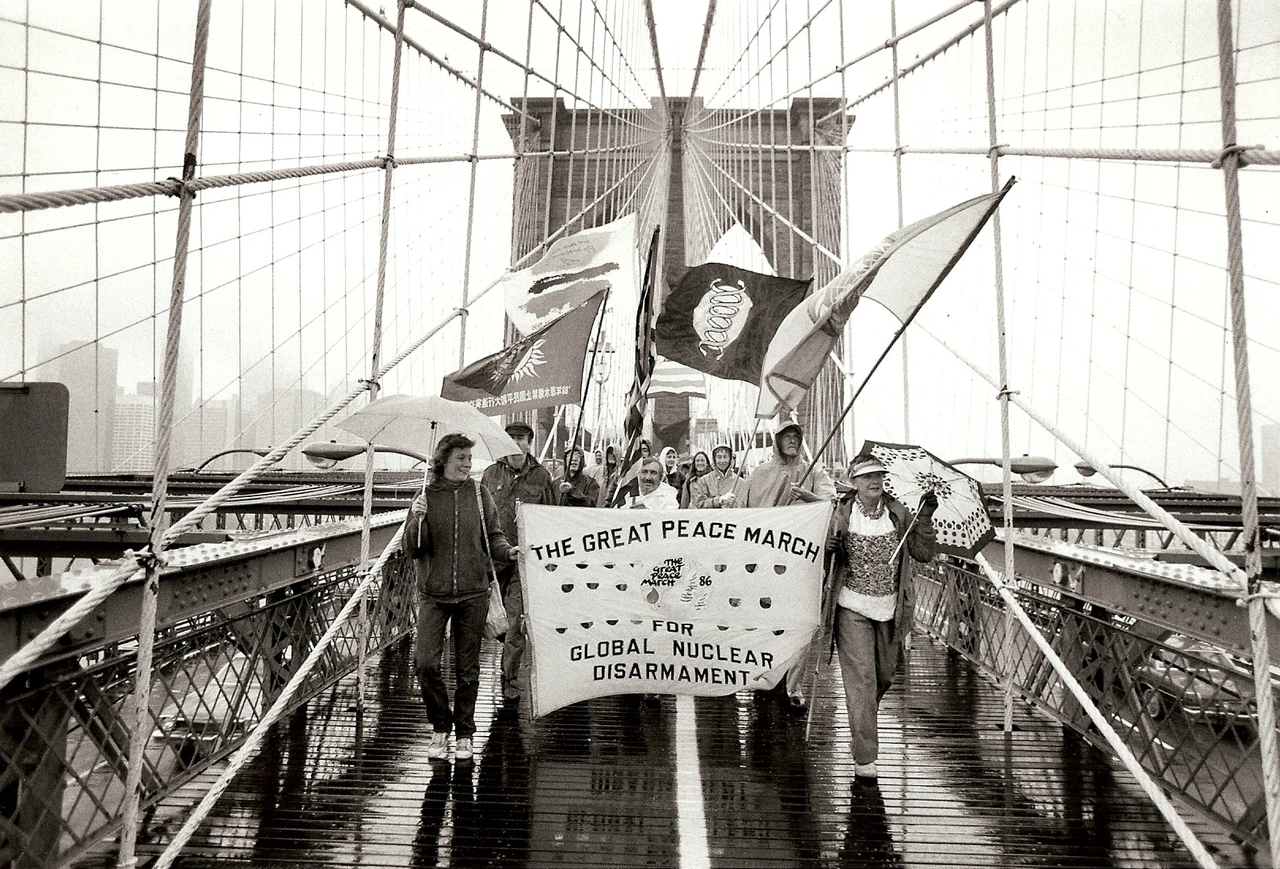
Amid the final phase of the Cold War, this series captures a movement united by an unwavering belief in peace, with its comrades-in-arms committing their personal futures to the pursuit of a socially harmonious society. The international peace march for nuclear disarmament, which Share follows for nine months, also emerges as a form of indirect resistance to the growing complacency of capitalist privilege and widespread disillusionment with politics.
1988
Christopher Steele-Perkins
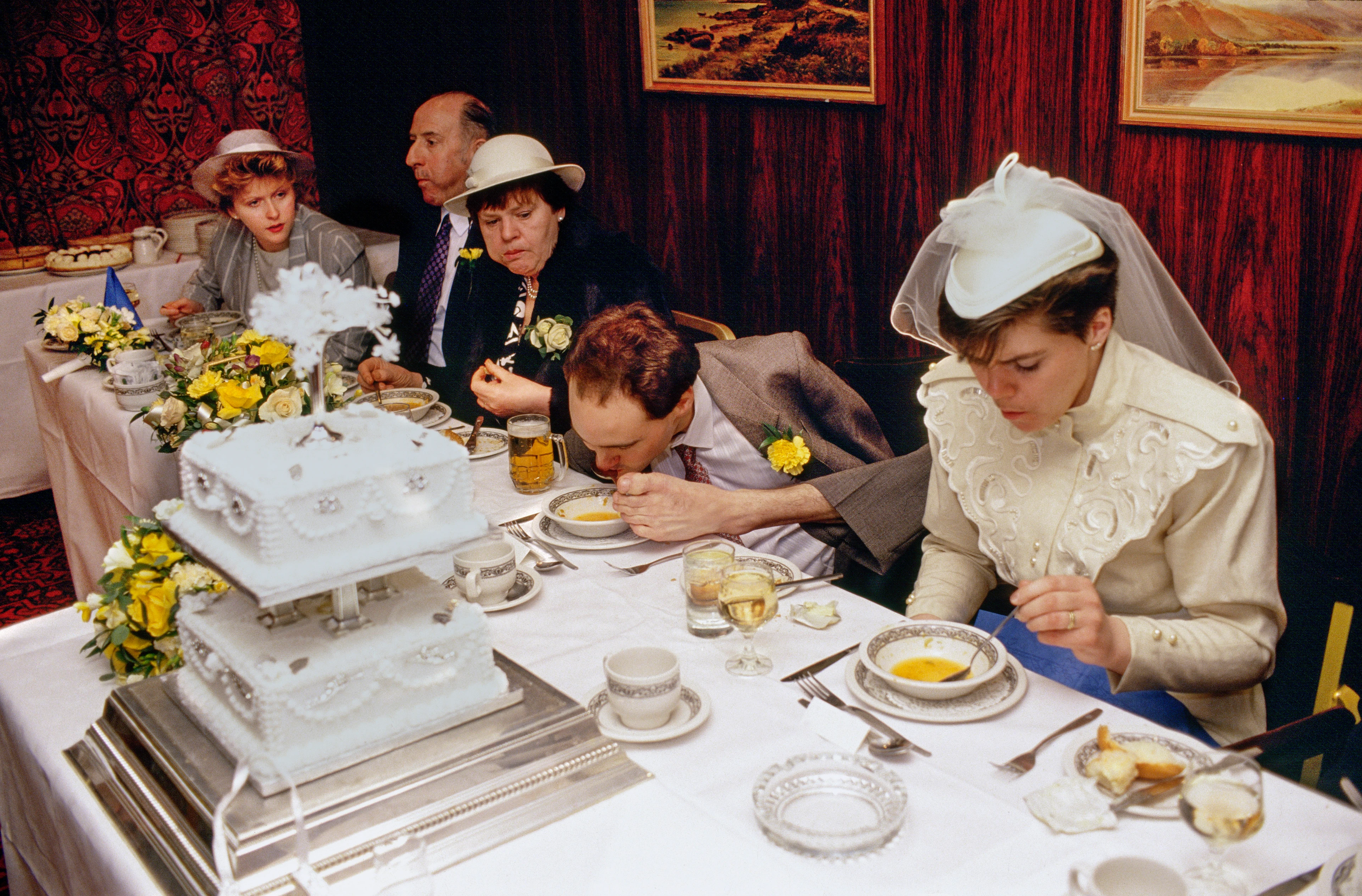
This series is dedicated to the survivors of the thalidomide scandal – the drug prescribed to pregnant women in the 1960s to alleviate nausea, which tragically resulted in severe deformities in thousands of children. Decades later, Steele-Perkins portrays them in their daily lives, not as victims of circumstance, but with dignity and self-acceptance. Set against the backdrop of the 1980s – a decade marked by faith in scientific and social advancement – this series stands as a cross-generational reminder of the enduring need for medical responsibility.
1989
Charles Mason
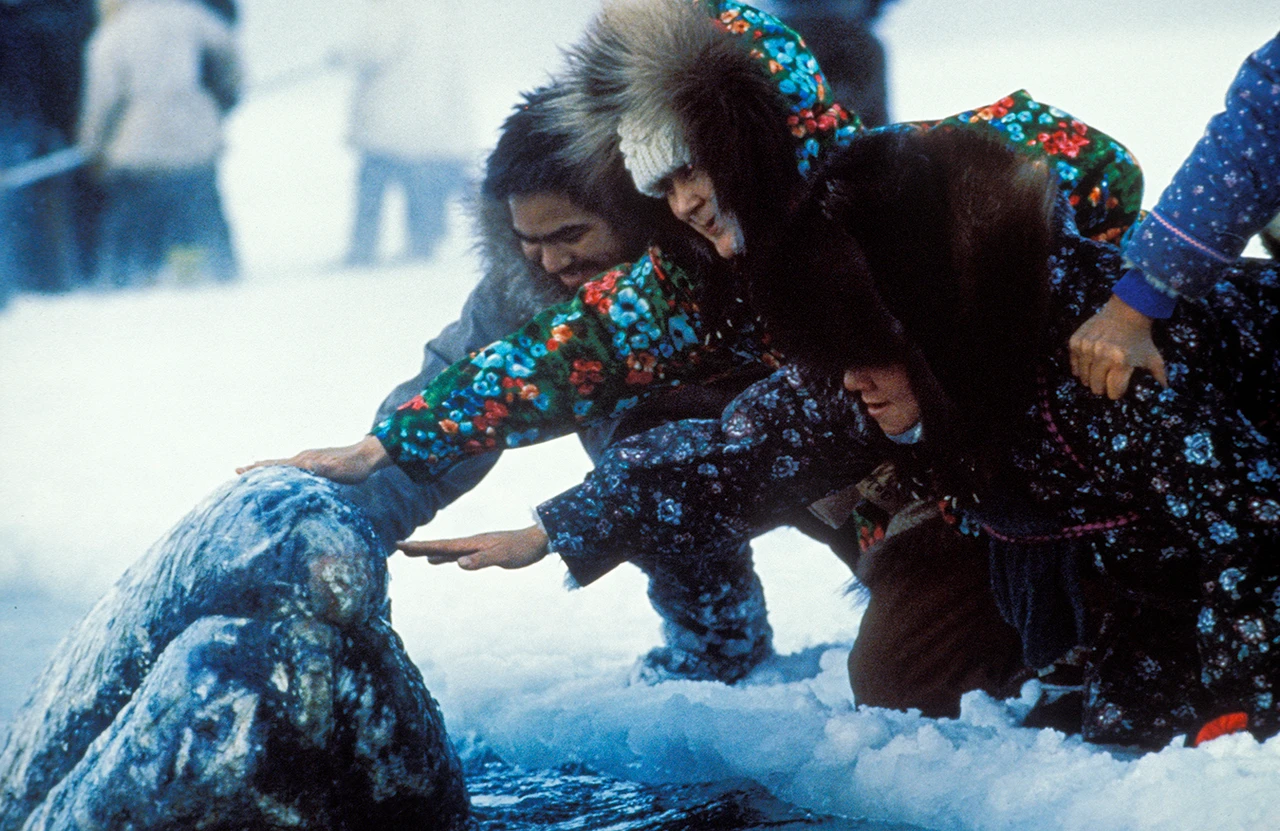
The rescue of three gray whales trapped beneath Arctic ice in Alaska captures global attention, becoming an international media sensation. Over the course of 11 days, Mason documents the unique spirit of this collective endeavor. He mingles with a diverse group of individuals – from indigenous communities to Greenpeace activists – and, amid the geopolitical tensions shortly before the end of the Cold War, offers a different, universal portrayal of solidarity: between people, for nature.
The Wall Falls, the Curtain Rises
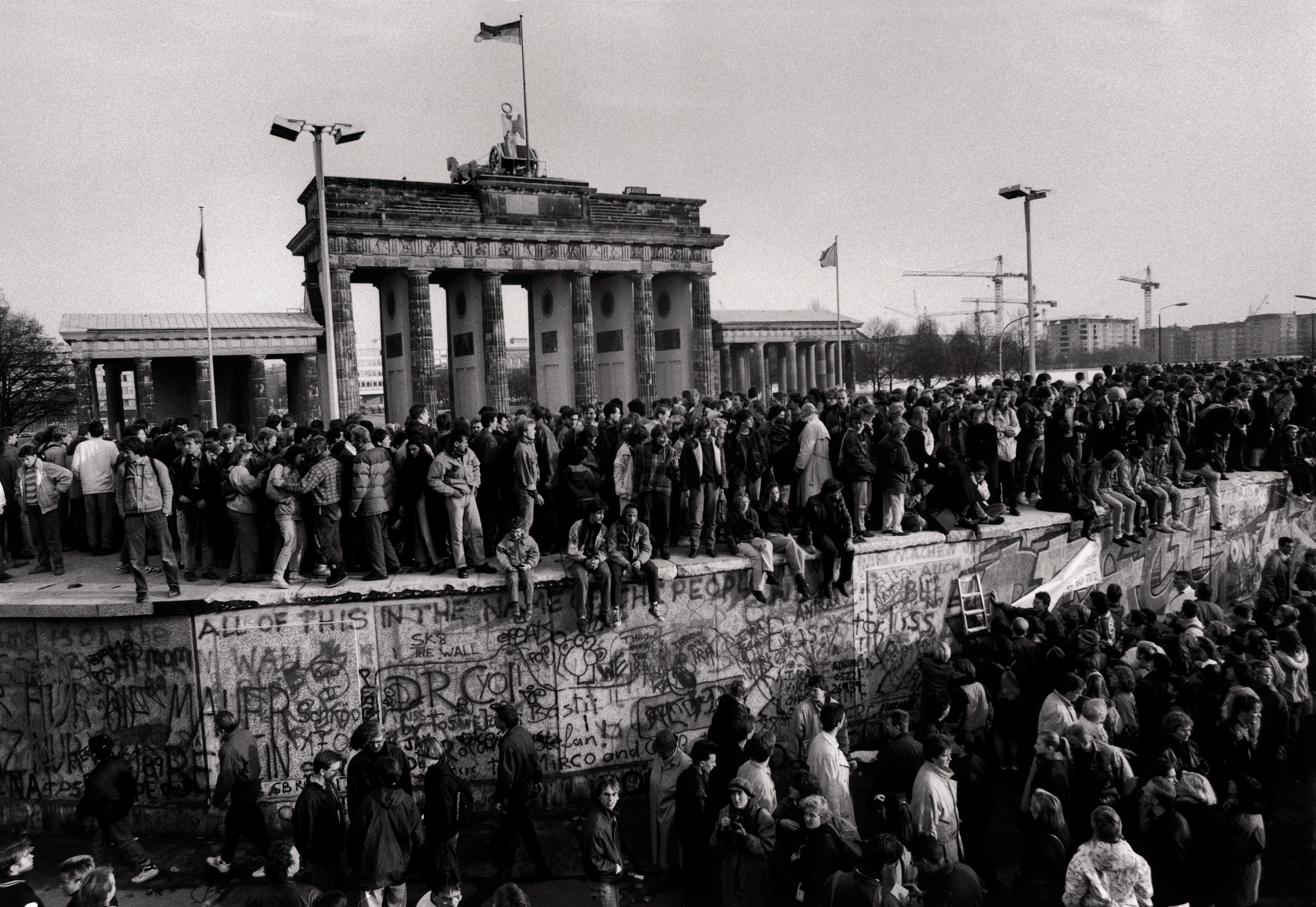
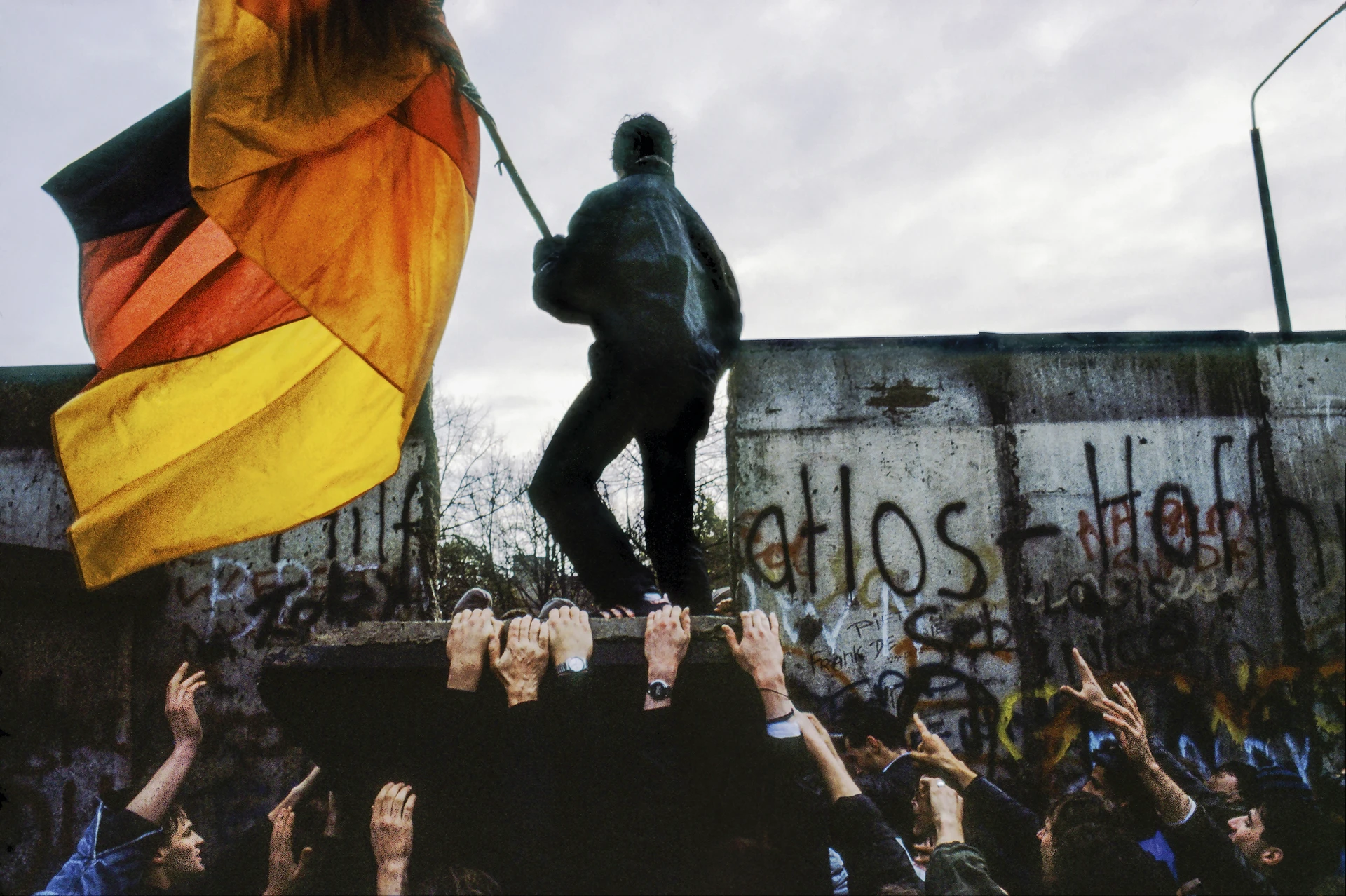
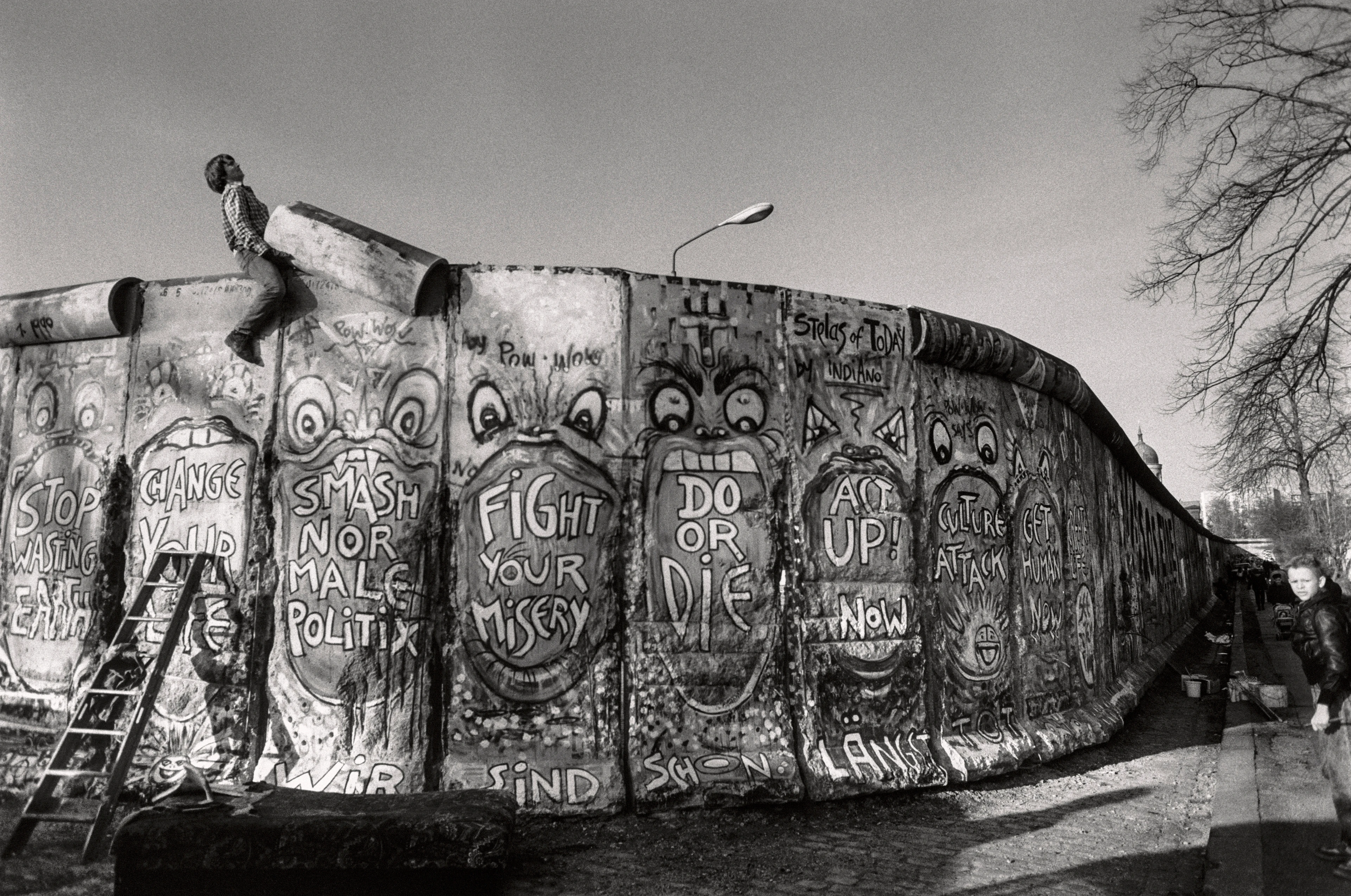
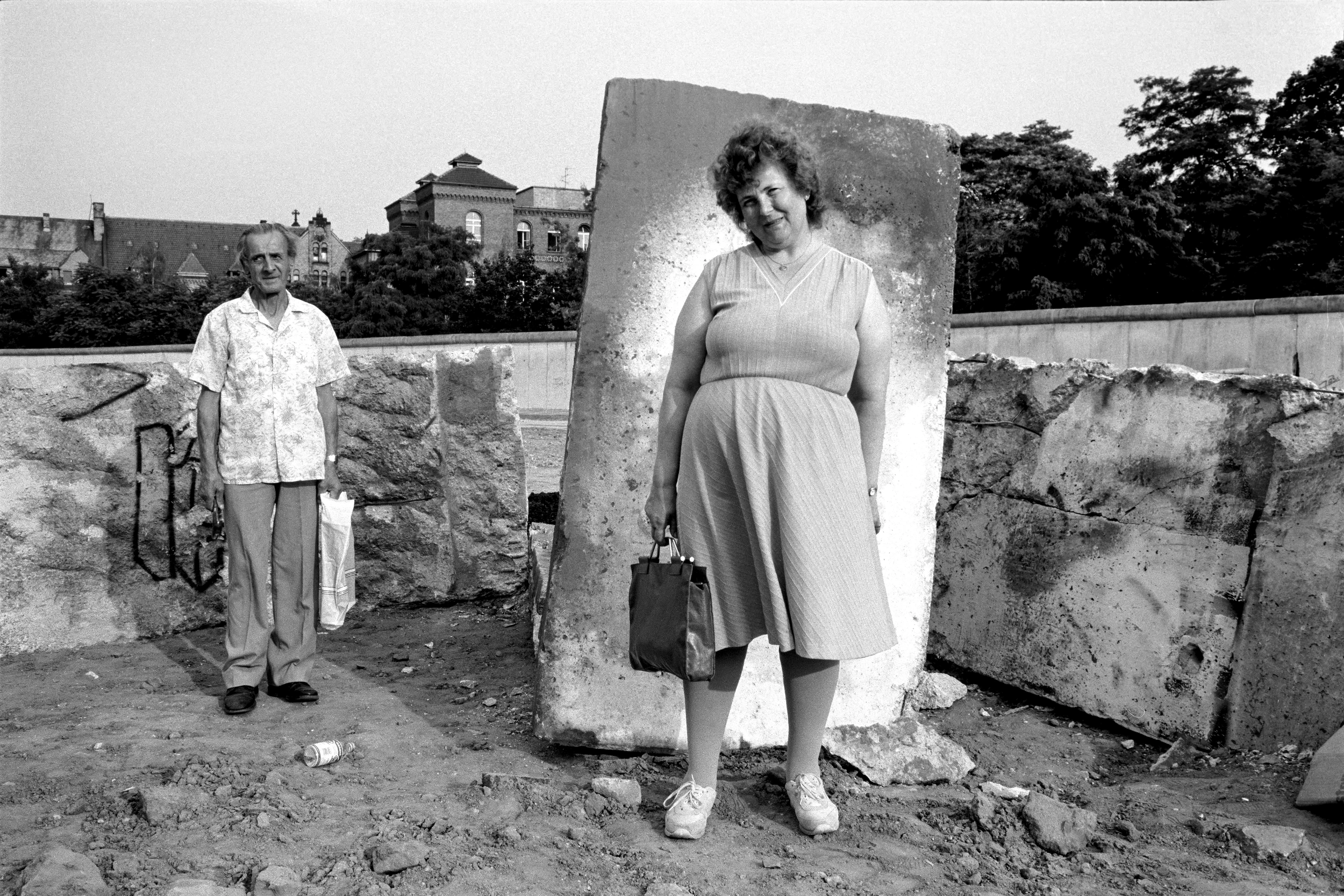
Emotion and history merge in an unprecedented way on the streets of Berlin: Cheering people stand atop the hand-broken Wall, tears streaming down their faces. Politicians, musicians, and celebrities appear in the limelight. German reunification becomes a global, symbolic spectacle, allowing ample space for media and political staging amid profoundly real individual stories and genuine hope for freedom. An unforgettable drama. On the stage of unity.

People with AIDS
AIDS strikes the 1980s and 1990s like a shock: new, deadly, and stigmatized. Yet for many, the disease remains unseen, giving rise to abstract fears and a lack of awareness about its dangers. Two poignant series of images confront this reality, rendering the consequences of AIDS emotionally tangible.
Adults with AIDS
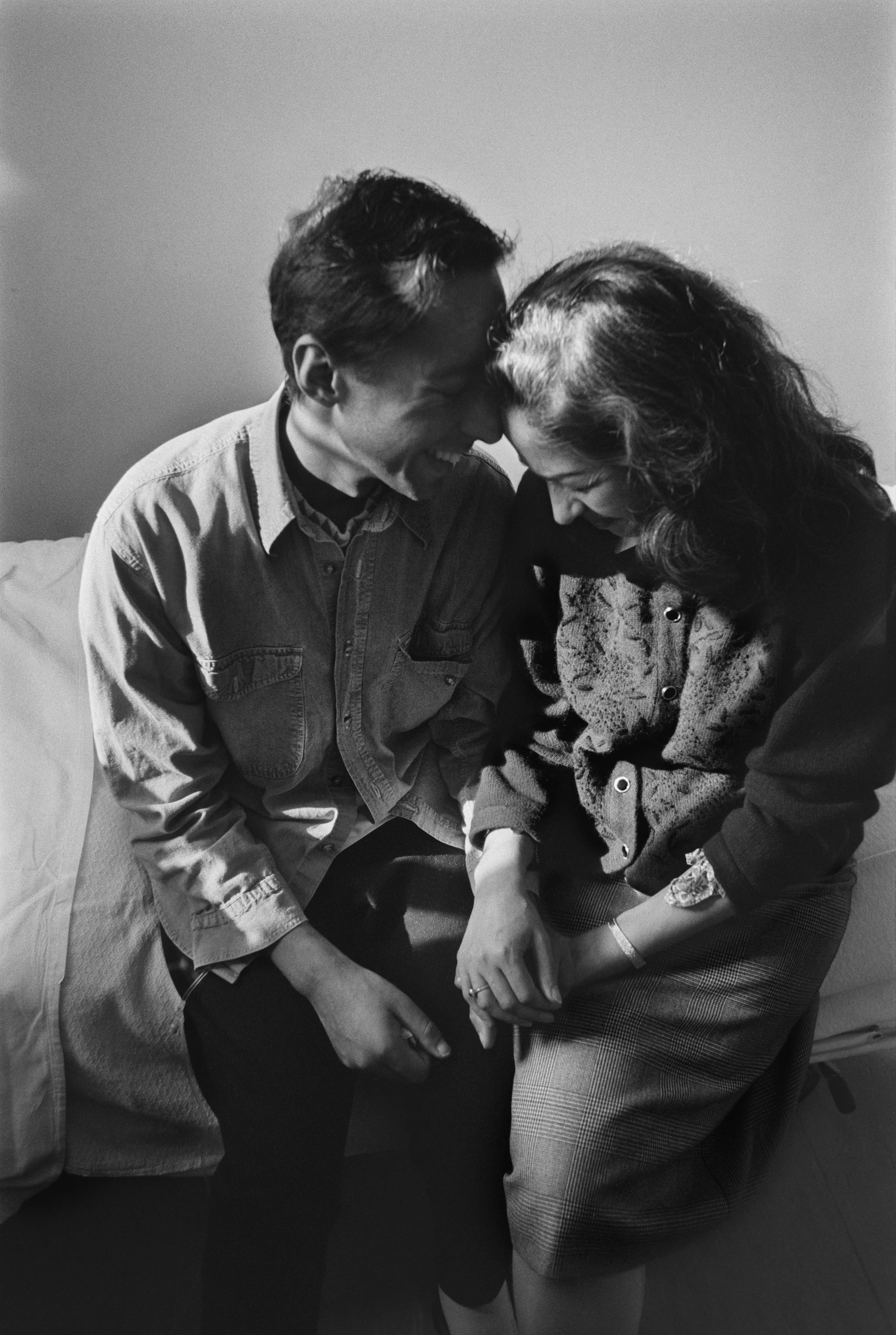
In 1993, Gideon Mendel documents the lives of young adults in one of London’s few AIDS wards for his series The Ward – a poignant chronicle captured before the advent of effective therapies. His photographs reveal care, closeness, acceptance, and farewell, forming a courageous testament to lives marked by loss and resilience.
Children with AIDS
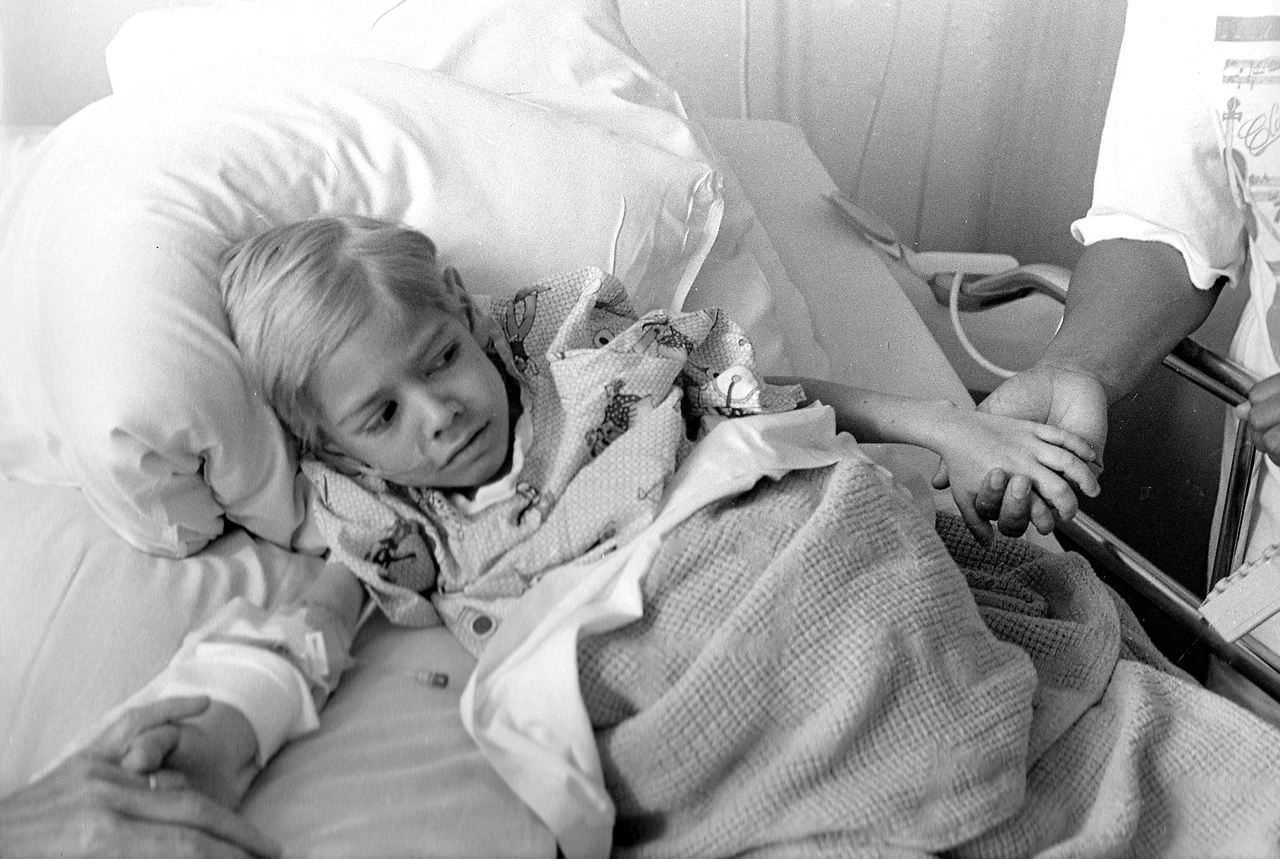
Throughout the 1990s, Claire Yaffa’s powerful images from a dedicated New York care center for children with AIDS reveal how profoundly love and affection transcend inevitable loss. She lends the unstoppable disease a deeply human – and tragically mortal – face.
Dream or Reality?
Somewhere between artistic staging and an unfiltered glimpse of reality: in the mid-1990s, the rapid rise in flexibility in both photography and travel simultaneously reshape perceptions of landscapes. Remarkable series emerge – fantastic in every sense – whose radiant colors, striking perspectives, and exceptional image quality paradoxically mean their true nature is only revealed upon second glance.